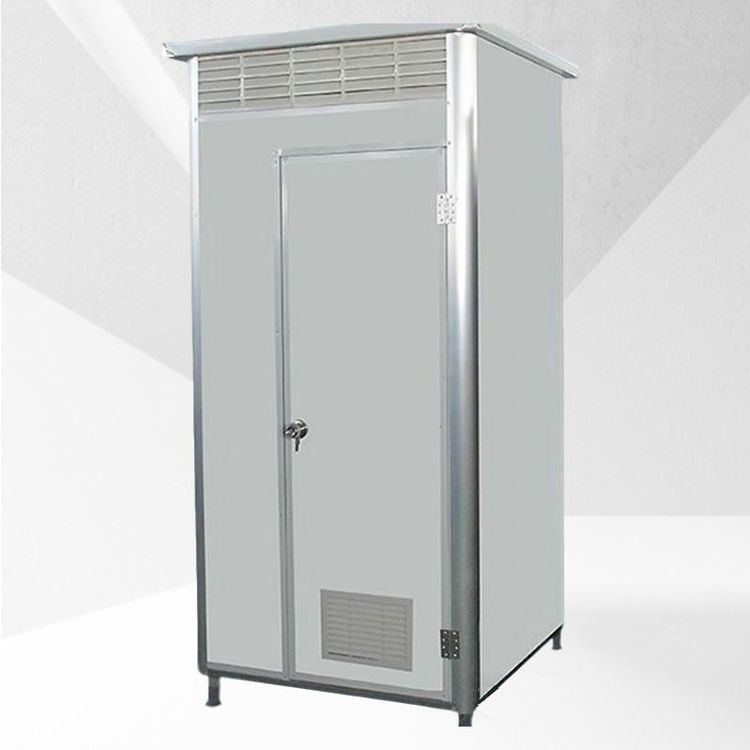
Yanbian Scenic Area Mobile Toilets
With environmental protection technology, functional design, and full-process services as its core, mobile toilets in Yanbian scenic areas have become an important support for the development of cultural tourism and environmental protection. Their characteristics and application scenarios are as follows:

1. Environmental Protection Technology: Water Conservation, Emission Reduction, and Harmless Waste Disposal
Mobile toilets employ waterless or water-saving technologies, reducing water consumption through biological degradation, vacuum suction, and other means. For example, some models can control single-flush water usage to below 1 liter, achieving a water-saving rate of over 80%, and do not rely on fixed sewage discharge pipelines. Waste is collected centrally in sealed storage tanks, and some equipment is equipped with microbial treatment systems that decompose organic waste into neutral substances, preventing secondary pollution. This design adapts to the complex terrain and insufficient sewage facilities in Yanbian's mountainous areas while meeting low-carbon environmental protection requirements.
2. Functional Design: Integration of Intelligence and Humanization
The equipment integrates waste collection devices, ventilation systems, and water-saving flushing components internally. Some new models also incorporate solar power supply, temperature control systems (ensuring normal operation at minus twenty degrees Celsius), and photocatalytic oxidation deodorization devices. For example, the application of thickened pipeline insulation layers and antifreeze solutions solves usage challenges in Yanbian's low-temperature winter environment; solar power reduces reliance on traditional energy sources, enhancing equipment sustainability. Additionally, intelligent monitoring systems can monitor usage status in real-time, automatically send maintenance requests, and users can quickly locate toilet positions through guide maps, reducing search time.
3. Service Model: Full-Process Coverage and Resource Recycling
The leasing service covers the entire process of transportation, installation, maintenance, and recycling. Specialized vehicles and route optimization algorithms are used during transportation to reduce energy consumption; degradable environmental protection agents are used during maintenance; waste is ultimately processed by professional institutions for resource utilization, with some organic matter converted into soil conditioners. Service providers dynamically adjust the number of equipment based on usage frequency and distribution in scenic areas, helping users balance demand and cost. For example, during peak tourist seasons or large-scale events, additional equipment can be temporarily deployed to meet high demand.
4. Application Scenarios: Extensive Coverage from Scenic Areas to Temporary Events
In addition to scenic areas, mobile toilet leasing services extend to temporary venues such as marathons, concerts, music festivals, and construction sites. Their modular design supports rapid disassembly and transportation, adapting to different terrain requirements; various models (such as single-unit foamed ecological mobile toilets) offer sewage discharge methods including water flushing, packing, foaming, and microbial decomposition, covering municipal, park, and scenic area scenarios. In terms of price, taking the htcs-032 model from Cangzhou Hengtai Sanitation Equipment Co., Ltd. as an example, the starting batch price is 7,500 yuan per unit, demonstrating significant cost-effectiveness.
Through technological innovation and service optimization, mobile toilets in Yanbian scenic areas not only solve the environmental protection and operational maintenance challenges of traditional toilets but also provide replicable solutions for the high-quality development of the cultural tourism industry.