Back to blog
Article
Xiushan Mobile Toilet Installation
Admin September 26, 2026
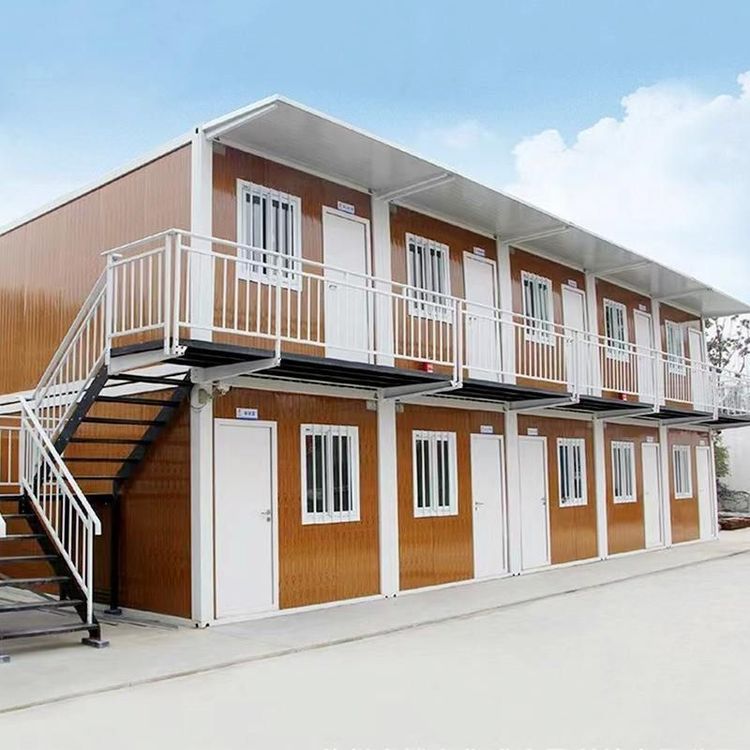
The installation process of mobile toilets in Xiushan typically follows the core steps of 'positioning - assembly - connection - commissioning'. Specific operations need to be adjusted according to the type of toilet and site conditions. The overall installation time ranges from approximately 2-4 hours (for integrated toilets) to several hours (for split-type toilets).

I. Positioning and Site Preparation
- Site Selection Principles: Determine the installation location based on usage requirements, prioritizing areas with solid ground and smooth drainage. If the site has soft or uneven soil, hardening treatment (such as concrete pouring) or steel plate laying should be carried out in advance to ensure toilet stability.
- Drainage Planning: If the toilet is equipped with a septic tank or needs to be connected to municipal sewage pipes, plan the drainage path in advance to avoid blockages or leaks later.
II. Assembly of the Main Structure
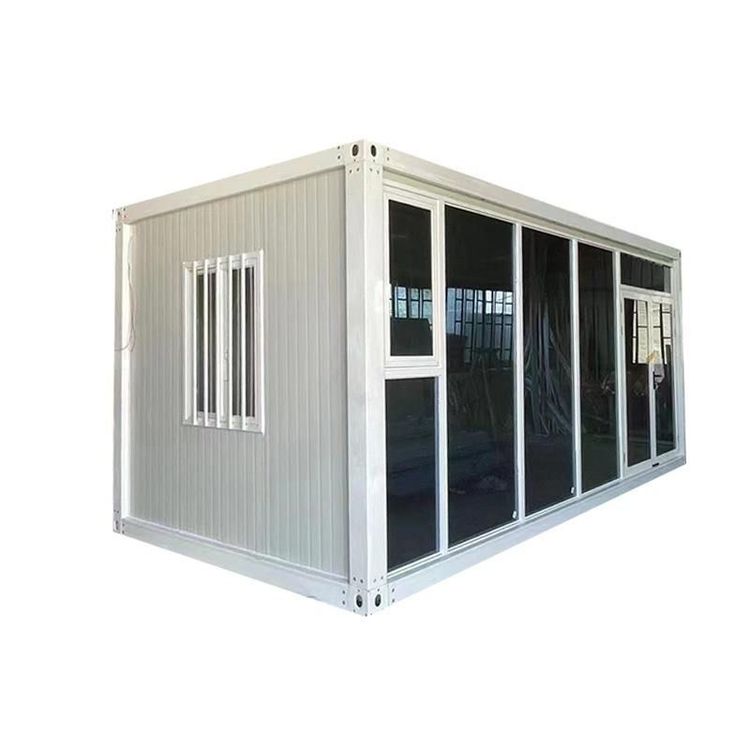
- Split-Type Toilets:
- Chassis Installation: Use a forklift or manual labor to place the prefabricated steel structure chassis at the predetermined location and adjust it to a level state using a level gauge.
- Wall Assembly: Insert the sandwich panel wall panels into the chassis slots one by one and secure them with bolts or clips. Then install the roof panel and perform sealing treatment (such as applying sealant or installing waterproof strips) to prevent rainwater leakage.
- Time Reference: Wall installation usually takes 1-2 hours, depending on the size of the toilet and assembly proficiency.
- Integrated Toilets:
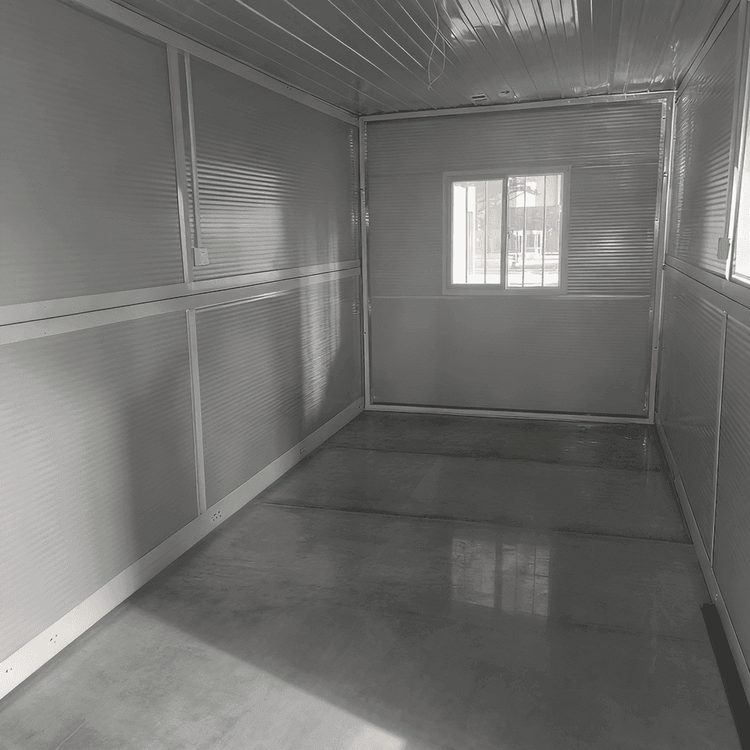
- The factory has completed interior decoration and equipment integration. On-site, it only needs to be hoisted as a whole to the designated location using a crane, without complex assembly steps.
III. Connection of Water, Electricity, and Equipment
- Water and Electricity Pipeline Connection:
- Install equipment such as toilets, flushing systems, and handwashing basins (if any), and connect the water inlet pipes, drainage pipes, and electrical circuits.
- Modular Interfaces: Quick-connect designs are used to simplify operations, but professional personnel are still required to ensure firm connections and no leaks.
- Ventilation and Lighting: Install exhaust fans and lighting fixtures, and test the stability of the electrical circuit.
IV. Functional Inspection and Commissioning
- Flushing Test: Check if the toilet flushes smoothly and if the drainage is unobstructed.
- Sealing Inspection: Focus on checking for water leaks at the joints between wall panels and the connections between the roof and walls.
- Electrical Circuit Test: Ensure that lighting and ventilation equipment operate normally without short-circuit risks.
V. Compliance and Service Support
- Standard Compliance: Installation must comply with the 'Mobile Toilet Hygiene Specifications' (GB/T 21239-2023) to ensure structural safety and hygiene standards.
- Enterprise Services: Enterprises in the Xiushan area (such as Sichuan Xinjiangzhu Integrated Housing Co., Ltd.) can provide product supply, installation guidance, and after-sales maintenance services, reducing user operational difficulties.
Tip: Integrated toilets have significantly higher installation efficiency than split-type toilets due to their high degree of factory pre-assembly. If site conditions are complex (such as sloping land or soft soil), additional preparation time is required.