
Mobile Toilets in Xishuangbanna Prefecture
Information on mobile toilets in Xishuangbanna Prefecture covers aspects such as production and sales, materials, treatment technologies, functional modules, and smart devices.
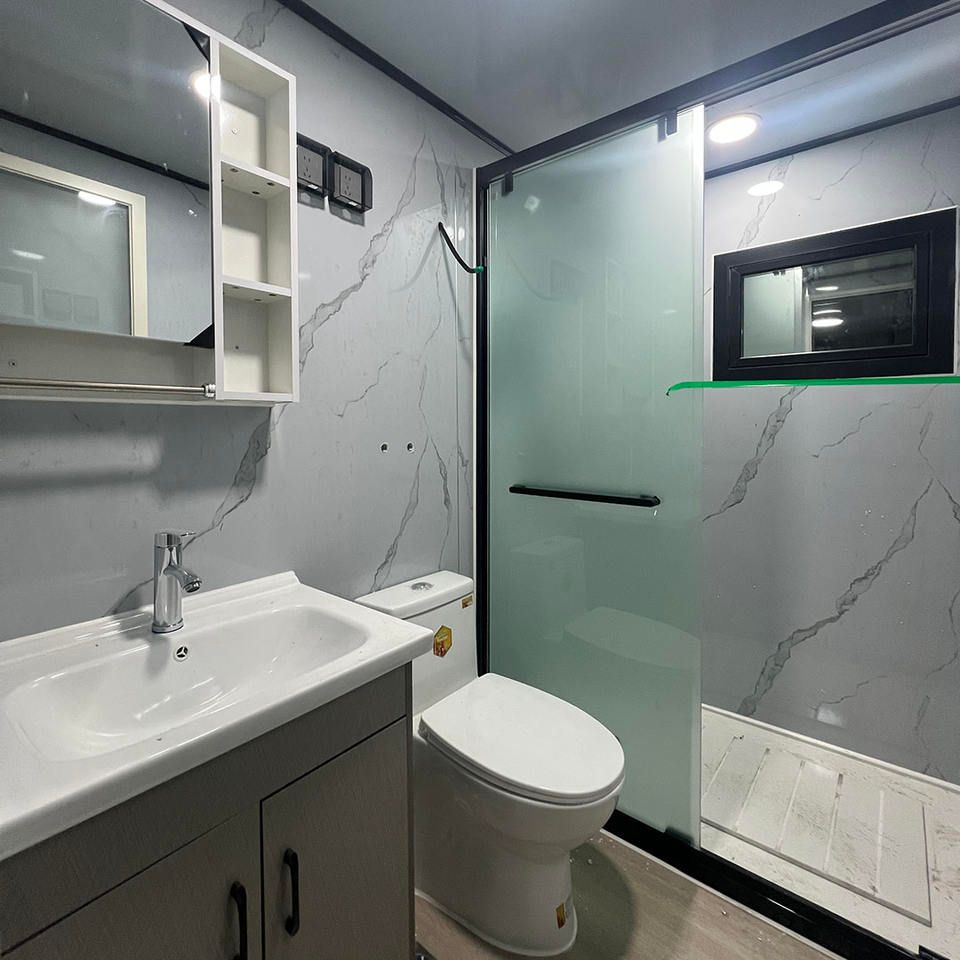
Manufacturers and Sales/Rental Services: Xishuangbanna Prefecture has service providers and manufacturers related to mobile toilets. Yibings Environmental Protection offers rental, sales, and leasing services for mobile toilets. The price for mobile shower rooms and restrooms starts at 3000.00 yuan per unit, with a minimum order quantity of one. Suppliers are verified for authenticity and provide quality assurance, financial security, and worry-free after-sales services, supporting nationwide delivery. Local manufacturers such as Guting Metal Products are located in the High-tech Zone, with a contact number of 18538158718. They provide products including mobile public restrooms, mobile toilets, washrooms, and shower rooms for Menghai County, Jinghong City, and Mengla County.
Material Composition and Environmental Adaptability: The structural frames are mostly made of high-strength galvanized steel or aluminum alloy, which can resist oxidation and corrosion in high-humidity environments. The wall sections commonly use metal carved panels, aluminum-plastic panels, or color-coated steel sheets with special coatings to prevent rainwater penetration and mold attachment. The internal sanitary fixtures are usually made of integrated artificial stone or engineering plastics, facilitating easy cleaning and inhibiting bacterial growth. The fecal or treatment systems often use storage tanks made of high-density polyethylene (HDPE) to prevent leakage and protect the soil and water environment. Some external panels of mobile toilets are coated with anti-UV layers to slow down material aging and fading.
Treatment Technology Categories and Ecological Impact Level: There are packing-type systems that use biodegradable films for instant encapsulation, achieving physical isolation without water requirements, but requiring a complete subsequent collection and treatment chain. Biodegradable systems add microbial agents to the reaction chamber at the bottom of the toilet to accelerate the decomposition of organic matter, with the year-round high temperatures in Xishuangbanna providing favorable conditions for this technology. Recirculating flush systems integrate small water treatment systems to reuse flush water after sedimentation, filtration, and disinfection, reducing water consumption. Microbial fermentation systems (dry resource treatment) use forced ventilation and high-temperature microbial fermentation to convert excreta into odorless organic humus, achieving near-zero emissions and zero water consumption, and transforming waste into potential resources.
Functional Module Integration and Spatial Layout Logic: The interiors integrate lighting and ventilation systems, water supply and drainage systems, waste treatment systems, and user interaction systems. Lighting mostly uses energy-saving LED sources, often powered by solar panels. Ventilation systems balance air circulation and odor control, commonly equipped with forced exhaust fans or utilizing natural air duct designs. Spatial layouts follow ergonomic and efficiency innovation principles, reasonably planning the positions of sanitary fixtures, barrier-free access, storage compartments, etc.
Smart Device Integration: Mobile restrooms can integrate various smart devices, such as smart sensors to reduce the risk of cross-infection; smart lighting systems that can automatically adjust brightness or switch light colors; some high-end mobile restrooms also integrate smart health monitoring devices, such as weighing scales and body fat analyzers, with data that can be transmitted to mobile phones and other devices.



