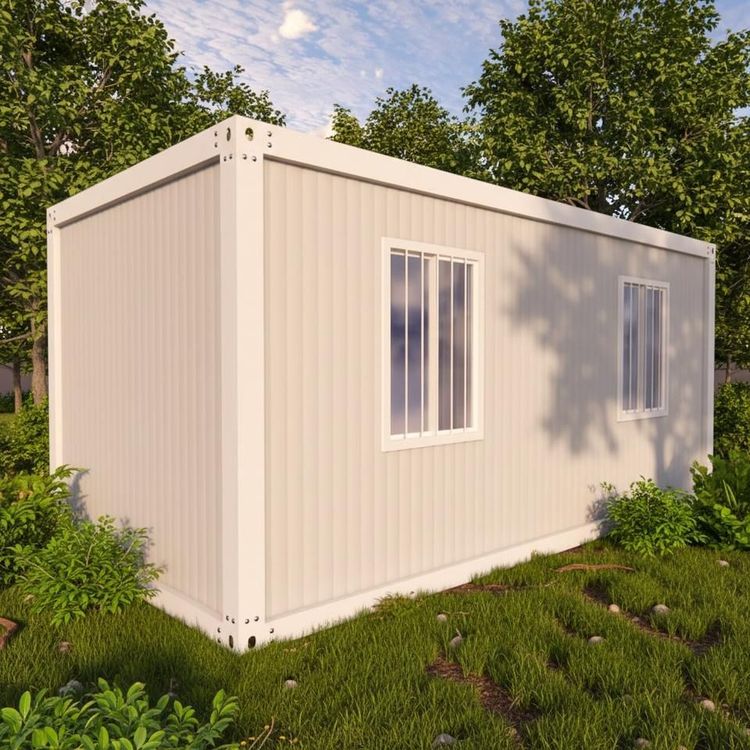
Xinzhou Waterless Mobile Toilet
The Xinzhou waterless mobile toilet is a mobile sanitation facility that does not require traditional water flushing and has environmental protection treatment functions. It is suitable for public places such as parks, scenic spots, and streets, with core features including water conservation, flexible layout, and diverse treatment technologies.

Product Types and Treatment Technologies
The Xinzhou waterless mobile toilet can be divided into three categories based on treatment methods:
- Waterless Packaging Type: Suitable for environments without water and electricity. It uses mechanical transmission to seal the excrement with packaging tape for manual treatment. It does not require water flushing, and the collection of waste is convenient, resulting in significant water-saving effects.
- Foam Sealing Type: Requires electrical support. It uses foam generated by a foaming mixture to cover the inside of the toilet bowl, blocking odors and reducing waste adhesion. When full, it is suctioned out by a sewage truck, making it suitable for scenarios with electricity but limited water.
- Microbial Degradation Type: Combines electricity and biotechnology. By mixing excrement with ingredients such as bacteria and wood chips, it decomposes into carbon dioxide and water under a temperature control device, with outstanding environmental protection performance, suitable for areas with high ecological requirements.
Manufacturers and Technical Support
- Cangzhou Hengtai Sanitation Equipment Co., Ltd. is one of the main suppliers, offering customized services. Its product brand is "Hengtai," with models such as htcs-528. Its production base covers an area of 20,000 square meters and has full-chain capabilities in research and development, production, and sales. Its products use materials such as color steel plates and metal carved plates, with a temperature range of -30°C to 40°C, strong wind and earthquake resistance, and can meet the needs of different climatic conditions.
- Local manufacturers in Shanxi focus on flexible responses, achieving rapid layout through integrated design. Their core technologies include fecal treatment methods such as biological degradation, chemical decomposition, and packaging and movement. They also emphasize water-saving design (such as recycling rainwater) and ventilation and deodorization systems to ensure user comfort.
Application Scenarios and Advantages
Waterless mobile toilets break through the construction limitations of traditional fixed public toilets and are particularly suitable for scenarios such as cultural and tourism activities and temporary gatherings. Their advantages are reflected in:
- Environmental Protection: Reduces water consumption, and the microbial degradation type can achieve zero-pollution emissions;
- Economy: Eliminates the need for laying sewer pipes, reducing construction and maintenance costs;
- Flexibility: Modular design supports rapid assembly and disassembly, adapting to dynamic demand changes.
Such facilities balance public health needs and ecological protection through technological innovation, becoming an important choice for public space planning in modern cities and rural areas.