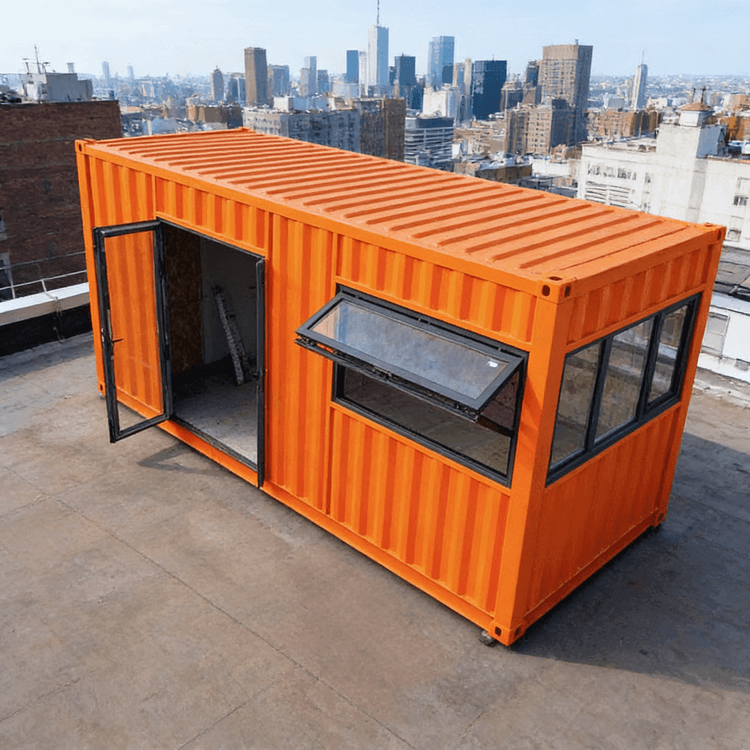
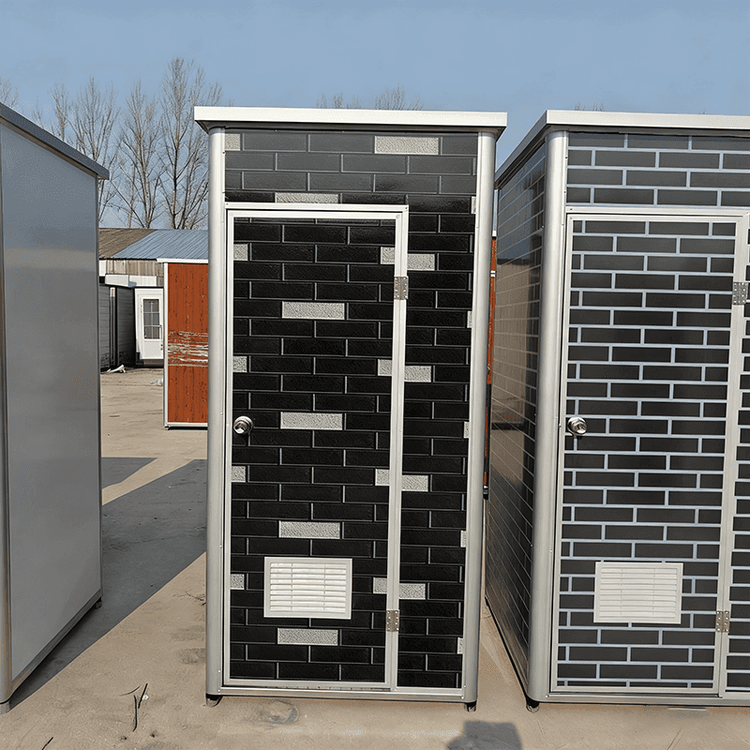
Xinyu School Portable Toilet
The following specifications and requirements should be followed when installing portable toilets in Xinyu schools:

1. Site Selection Specifications
The site selection must meet requirements for terrain, drainage, and safety distances. Choose areas with higher elevation and smooth drainage, avoiding low-lying areas prone to water accumulation. Maintain a minimum distance of 3 meters from water sources and food processing areas, and more than 10 meters from sensitive school areas (such as teaching buildings and canteens) to prevent odor or pollution impacts. The ground should be at least 15 centimeters higher than the surrounding area, hardened with concrete pouring or moisture-proof floor tiles, and have a surface slope of ≥1% to ensure rapid drainage of rainwater from the bottom of the equipment and prevent waterlogging.
2. Capacity Matching
Estimate the number of users based on the scale of the event and plan according to a usage frequency of 0.5-1 times per person per hour. For example, for an event with 100 people, it is recommended to configure 2-3 standard toilets, with additional temporary restrooms added during peak periods and a 10% reserve capacity reserved to meet unexpected demands and avoid queuing or congestion.
3. Facility and Support Requirements
Rented equipment should have odor-proof and water-saving functions, and be equipped with basic supplies such as toilet paper and hand sanitizer inside. Clear directional signs should be set up outside, and lighting equipment should be installed at night. Reserve an activity space of ≥1.5 meters around for easy access and cleaning by personnel. The main body of the equipment should be checked for sealed window and door gaskets to ensure no gaps; a rain eave should be installed on the top (with an eave projection of ≥30 centimeters), and drainage troughs can be added during rainy seasons.
4. Drainage System Moisture-Proof Design
The sewage pipes should be anti-backflow treated, and a one-way valve should be installed when connected to the municipal drainage system. The cleaning cycle of the septic tank should be shortened to once a month to avoid blockage during the rainy season. Install a 5-centimeter-high water baffle on the ground to prevent external rainwater from flowing back. Given the long rainy season in Jiangxi, additional drainage holes and dehumidification devices can be installed at the bottom of the equipment to reduce moisture risks.
5. Ventilation and Moisture-Proof Details
Install an exhaust fan and regularly check the filter screen. During high-temperature periods in summer, install a sunshade to prevent direct sunlight from causing internal moisture. The walls and ceilings should use waterproof gypsum boards with sealed joints; a moisture-proof film should be laid inside, with a focus on covering concealed areas such as below the sink and in storage cabinets.
6. Cleaning and Maintenance Specifications
The service team should conduct inspections and cleaning at least twice a day, and check once every 4 hours during events. Equip with independent sewage discharge facilities to prevent sewage leakage. Reinforce the toilet structure before severe weather, check the tightness before the rainy season, and clear debris from drainage holes. During continuous rainfall during the rental period, close the ventilation openings and turn on the dehumidification mode. After use, promptly clear accumulated water to keep the equipment dry.