
Back to blog
Article
Xinyi Mobile Toilet Rental and Installation
Admin October 08, 2026
For the rental and installation of mobile toilets in Xinyi, you can refer to the following general procedures and precautions:
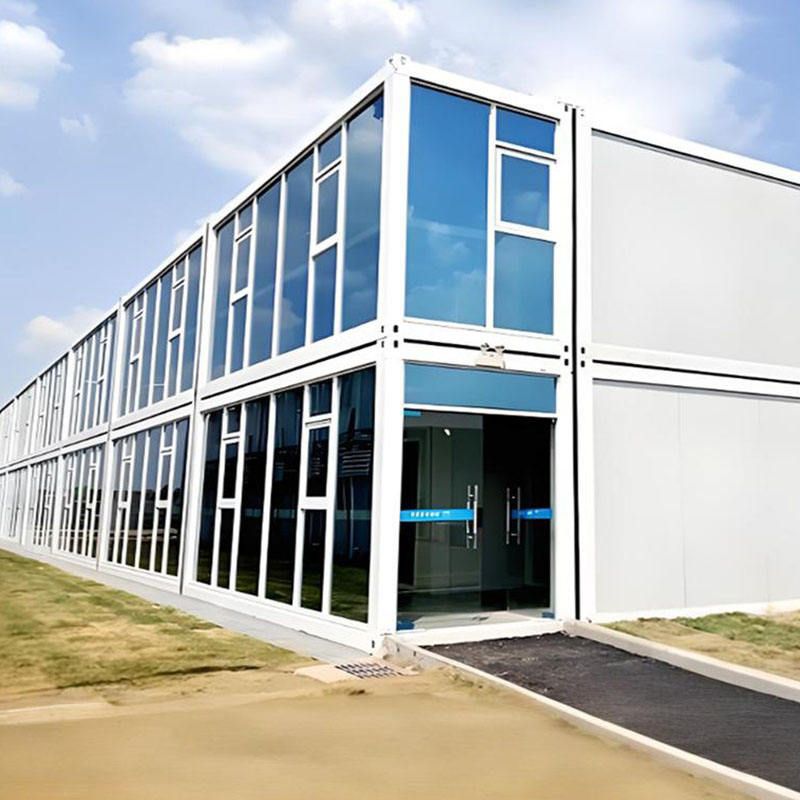
Pre-installation Preparations
- Site Survey: Determine the installation location of the mobile toilet in advance. Ensure that the ground is flat and solid, and keep it away from main construction roads and pollution sources to provide a stable foundation for subsequent installation and use.
- Material Verification: After receiving the mobile toilet equipment, carefully check whether the container is intact and whether all accessories are present, such as door locks, flush valves, and sewage pipes. If any damage is found, promptly contact the supplier for replacement to avoid affecting the installation progress and usage effectiveness.
- Foundation Treatment: Depending on the type of toilet (single or connected), clear away debris from the ground and lay a gravel or concrete foundation. Ensure that the load-bearing capacity of the foundation meets the requirements. Generally, the load-bearing capacity of a single toilet should be ≥200kg/㎡ to ensure safety during use.
On-site Installation Steps
- Container Positioning: Use a forklift or crane to smoothly hoist the toilet main body to the designated position. Pay attention to keeping it level during the hoisting process to avoid tilting. If multiple people are involved, coordinate commands to ensure safe operation.
- Drainage Connection: Connect the sewage pipe to the construction site drainage system or temporary collection pit. Use sealing tape or cement at the joints for sealing to prevent leakage. If possible, it is recommended to install an anti-backflow valve to further improve the reliability of the drainage system.
- Flush System Debugging: Connect to a water source (which can be tap water or a dedicated water tank), test whether the flush function is normal, and check whether the drainage pipe is unobstructed at the same time to avoid water accumulation after flushing and ensure the normal operation of the flush system.
- Internal and External Inspection: After installation is complete, open the door to check whether the internal facilities are secure, such as the sink, hooks, and toilet paper holder; externally, check the container's sealing to ensure there are no water or air leaks and guarantee the overall quality of the toilet.
Usage and Maintenance Tips
- Daily Cleaning: Arrange for a dedicated person to clean the toilet daily, promptly replenish consumables such as toilet paper and hand soap, and regularly disinfect the equipment to maintain a hygienic environment in the toilet.
- Regular Maintenance: Inspect the equipment's electrical circuits, valves, and flush system monthly. If any abnormal noises or malfunctions are found, report for repair promptly to avoid affecting normal use.
- Safety Reminders: Set up conspicuous signs around the toilet to prevent personnel collisions; keep it away from flammable and explosive materials to ensure electrical safety.
Related



