Back to blog
Article
Xinyang Standard Container House
Admin September 15, 2026
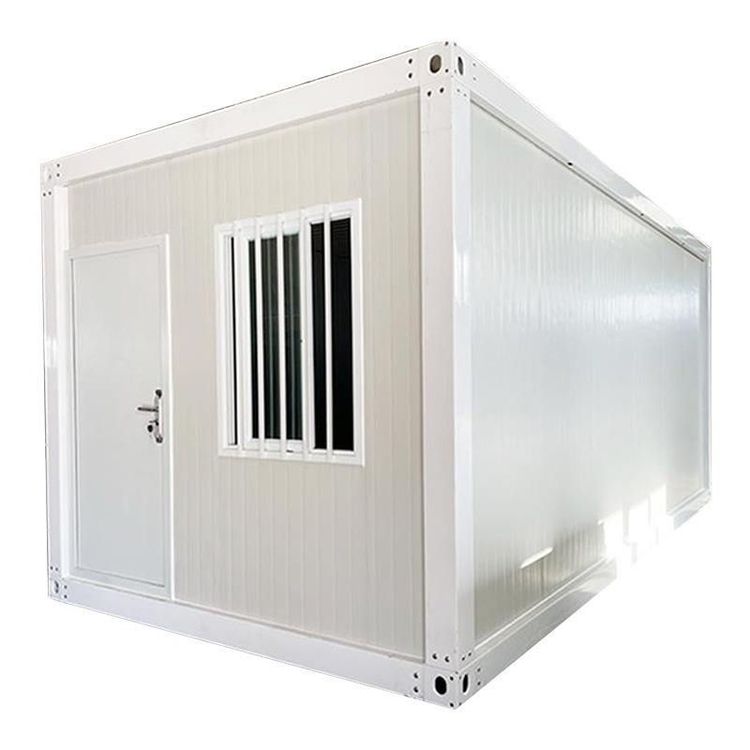
Xinyang standard container houses generally refer to temporary or permanent building units that conform to unified specifications, are movable, and feature modular design. They are widely used in scenarios such as construction site temporary buildings, emergency deployments, and commercial facilities.

I. Product Types and Specifications
The standard container houses in the Xinyang market mainly include the following types:
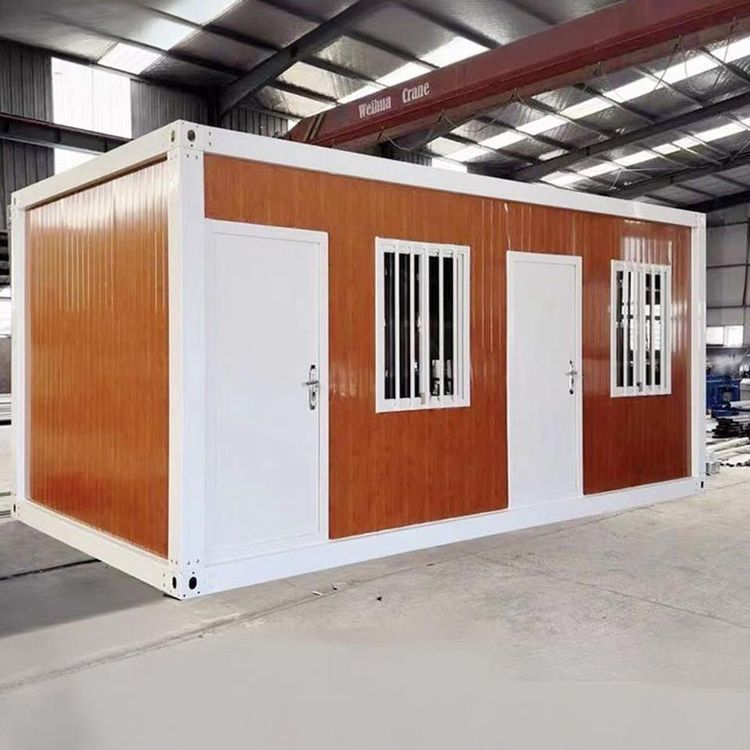
- Residential Container Houses: With a standard size of 3 meters × 6 meters, they provide basic living functions, equipped with doors, windows, and electrical systems, allowing for immediate occupancy. Some products can be customized with wider dimensions, double-story designs, or special features (such as access control or luxury finishes).
- Packing-Box Units: Featuring modular design, they support rapid assembly and disassembly as well as repeated use, making them suitable for projects requiring flexible layout adjustments.
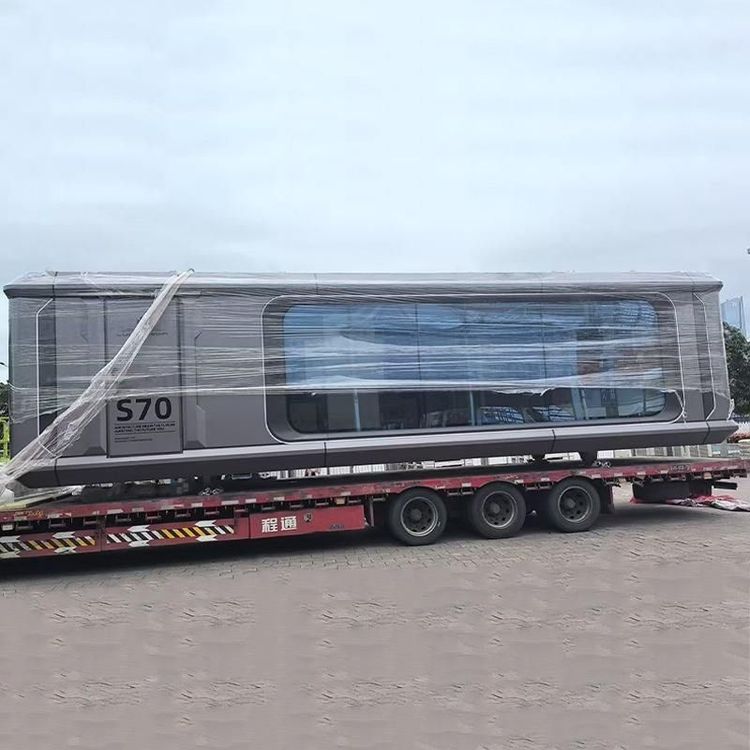
- Foldable Containers: They can be folded during transportation to reduce volume, and are easy to install on-site, requiring only 2-3 people to operate, making them ideal for emergency scenarios or projects requiring frequent relocation.
- Customized Container Houses: Adjusted in size, layout, or function according to needs (such as offices, guardhouses, or temporary commercial premises), some companies offer one-stop services from design to construction.
II. Core Advantages
- Structural Safety: Utilizing hot-dip galvanized frames and double-sided color-coated steel plates, with high-density insulation core materials filled inside, they possess fire, wind, rain, and earthquake resistance, meeting safety inspection and fire protection acceptance standards.
- Rapid Deployment: Factory-prefabricated production allows for on-site installation without secondary decoration, with some products enabling “same-day ordering, same-day installation”.
- Cost Optimization: Supporting various rental modes such as short-term, long-term, daily, and monthly rentals, with lower prices for long-term cooperation, zero loss during relocation, and lower lifecycle costs compared to traditional buildings.
- Environmental Sustainability: High material recyclability and no construction waste during construction, aligning with green building trends.
III. Application Scenarios
- Construction Site Temporary Buildings: Serving as construction dormitories, project office buildings, warehouses, etc., to address temporary space needs.
- Emergency Deployments: Post-earthquake resettlement, medical modules, road/railway service stations, etc.
- Commercial Facilities: Container homestays, light steel villas, temporary commercial premises, scenic area RV camping businesses, etc.
Related