
Xinjiang Portable Toilet Design
The design of portable toilets in Xinjiang focuses on adapting to extreme climates, flexible mobility, and efficient resource utilization, integrating modular structures and eco-friendly technologies to meet diverse scenario demands.
Structural Composition and Material Selection
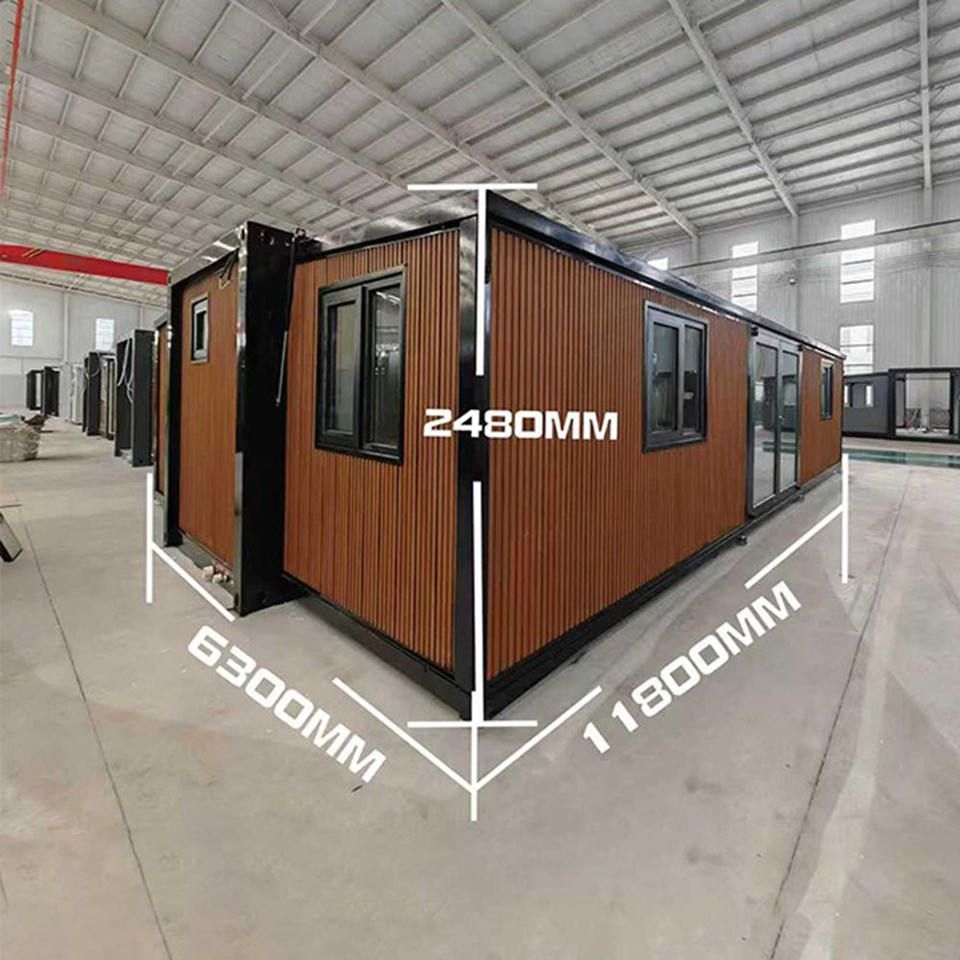
Portable toilets in Xinjiang adopt a modular design, with the main frame constructed from lightweight yet high-strength materials such as aluminum alloy or galvanized steel, ensuring overall stability while facilitating easy lifting and transportation. Wall panels are made of composite materials that combine thermal insulation and weather resistance, such as polyurethane sandwich panels, effectively addressing the region's large temperature variations between day and night and frequent sandstorms. The roof design considers wind resistance, with a slope to reduce snow accumulation pressure, and some areas employ a double-layer structure to enhance thermal insulation.
Sanitary Fixtures and Water-Saving Technologies
Sanitary fixtures prioritize water conservation and durability. Toilets commonly utilize vacuum suction or micro-flush technologies, with a single flush volume controlled within 3 liters, significantly lower than traditional toilets. Washbasins are equipped with sensor-activated faucets to further reduce water waste. In arid and water-scarce regions, some toilets introduce waterless ecological treatment systems that process waste through biodegradation, achieving zero water usage goals.
Optimization of Water Storage and Sewage Disposal Systems
The capacity ratio of water storage tanks to sewage tanks is scientifically calculated based on usage frequency and cleaning cycles. For example, toilets in tourist attractions designed for an average daily usage of 500 people typically have a water storage tank capacity of 2-3 cubic meters and a sewage tank capacity of 4-6 cubic meters, supporting 3-5 days of operation without cleaning. The system is equipped with liquid level sensors that automatically alert maintenance personnel when capacity thresholds are reached, prompting cleaning.
Mobility and Deployment Flexibility
- Integrated Portable Toilets: Prefabricated as independent units, these toilets are transported as a whole by trucks or trailers. Installation only requires connecting water and electricity interfaces or activating built-in power storage and water storage equipment, with deployment completed within 1 hour, suitable for emergency scenarios or short-term events.
- Modular Portable Toilets: Composed of standardized modules such as wall panels, roofs, and fixture units, these toilets are quickly assembled on-site after transportation, ideal for long-term installations in areas with initial transportation constraints, such as Gobi desert operation camps.
Enhanced Environmental Adaptability Design
- Freeze Protection and Thermal Insulation: In cold winter regions, pipes are wrapped with heat-tracing insulation materials or designed to be completely drainable to prevent freezing and cracking.
- Energy Self-Sufficiency: Independent units integrate solar panels to power lighting, ventilation, and sensors, reducing reliance on external power grids, especially suitable for remote areas without municipal electricity coverage.
Scenario-Specific Application Solutions
- Tourist Attractions: Quickly deployed to parking lots or temporary viewpoints during peak seasons and retrieved for maintenance during off-seasons to avoid resource idleness.
- Field Operations: Provide sanitary facilities for short-term camps in Gobi deserts and other areas, with the ability to relocate to the next site after operations conclude.
- Large-Scale Events: Offer emergency services during cultural fairs or sports events, with withdrawal after the event to avoid occupying fixed land resources.
You may also like

Portable Toilet Eco-Friendly Custom & OEM: Design & Bulk Production Guide
Read More
How to Assemble & Install Container House Step by Step
Read More
Portable Toilet Eco-Friendly in 2026: Buying Guide & Recommendations
Read More