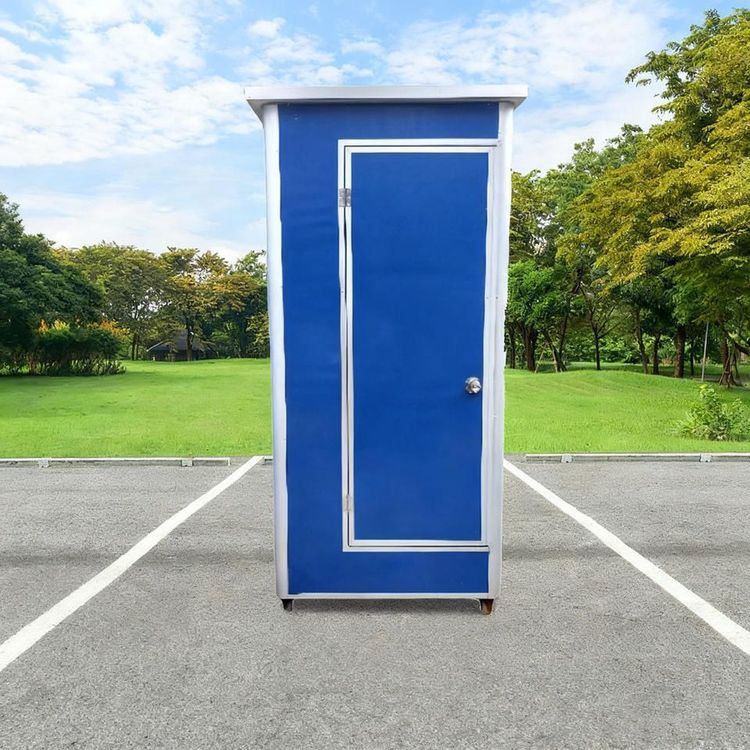
Xinjiang Mobile Environmental Protection Public Toilet
The Xinjiang mobile environmental protection public toilet is a public health solution that integrates modern environmental protection technology and can be flexibly deployed, with 'mobility' and 'environmental protection' as its core design concepts.

1. Structural and Deployment Characteristics
The Xinjiang mobile environmental protection public toilet adopts a modular box structure, which is lightweight and sturdy, facilitating easy transportation and rapid installation. Its deployment is not restricted by fixed locations and can be adjusted according to changes in pedestrian traffic, event requirements, or seasons. It can be flexibly arranged in various scenarios such as along scenic spots, transportation hubs, and outdoor event venues. For example, during peak tourist seasons on holidays or temporary large-scale events, additional public toilets can be quickly added to meet demand, avoiding the issues of long construction periods and high costs associated with traditional public toilets.
2. Interior Design and Functions
The interior design balances humanization and hygiene and safety, with a compact and reasonable spatial layout. It is equipped with squat or sit toilets, handwashing stations, lighting, and ventilation systems. Its core advantage lies in its independence from underground sewage networks, with all waste treatment completed within the equipment or supporting systems. For instance, some models use vacuum suction technology to reduce water consumption while preventing odor diffusion through sealed pipes, ensuring a pleasant user experience.
3. Environmental Protection Technology Pathways
- Biodegradation Technology: Organic matter (such as feces) is decomposed through microbial reaction tanks, generating water, carbon dioxide, and a small amount of inorganic salts. The decomposed liquid undergoes multi-stage filtration and disinfection and can be used for non-contact flushing or discharged after meeting standards, achieving water resource recycling.
- Physical and Chemical Treatment Technology: After entering the system, waste undergoes solid-liquid separation. Solids are dried and compressed to reduce volume for centralized disposal; liquids are purified through flocculation, sedimentation, filtration, and ozone/ultraviolet disinfection for recycling in flushing or green irrigation.
- Resource Recycling: Some public toilets integrate solar photovoltaic panels for power supply, meeting the energy consumption of lighting, ventilation, and treatment systems. Rainwater is collected for flushing, reducing freshwater consumption. The possibility of converting treatment residues into harmless fertilizer raw materials is also being explored.
4. Application Value and Cases
The promotion of Xinjiang mobile environmental protection public toilets effectively protects the ecological environment in fragile areas, preventing direct discharge of pollutants from damaging water and soil resources and natural landscapes. For example, in desert scenic spots or high-altitude areas, their flexible deployment capabilities reduce ecological interference from traditional public toilets. Additionally, enterprises in Urumqi and other places have launched related businesses, providing customized services to the market. For instance, a corrugated board mobile toilet designed for a Xinjiang theme park features galvanized corrugated board walls with hand-painted patterns, combining practicality with artistry.