Back to blog
Article
Installation of Intelligent Mobile Toilets in Xinjiang
Admin September 28, 2026
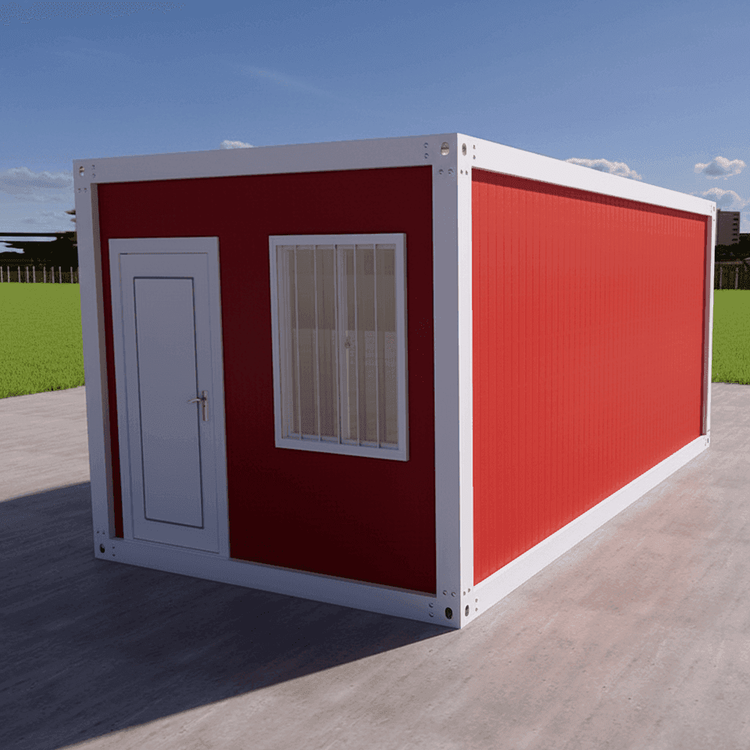
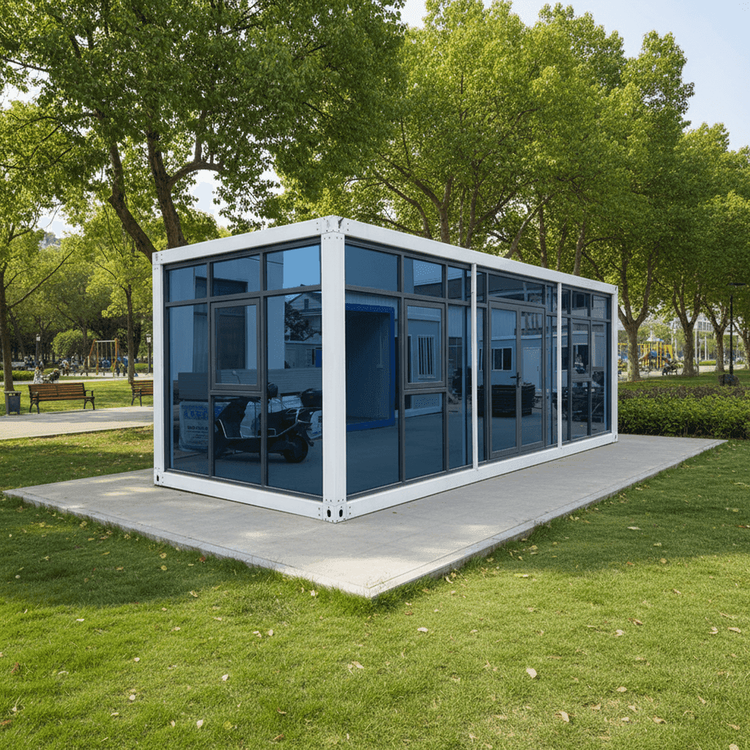
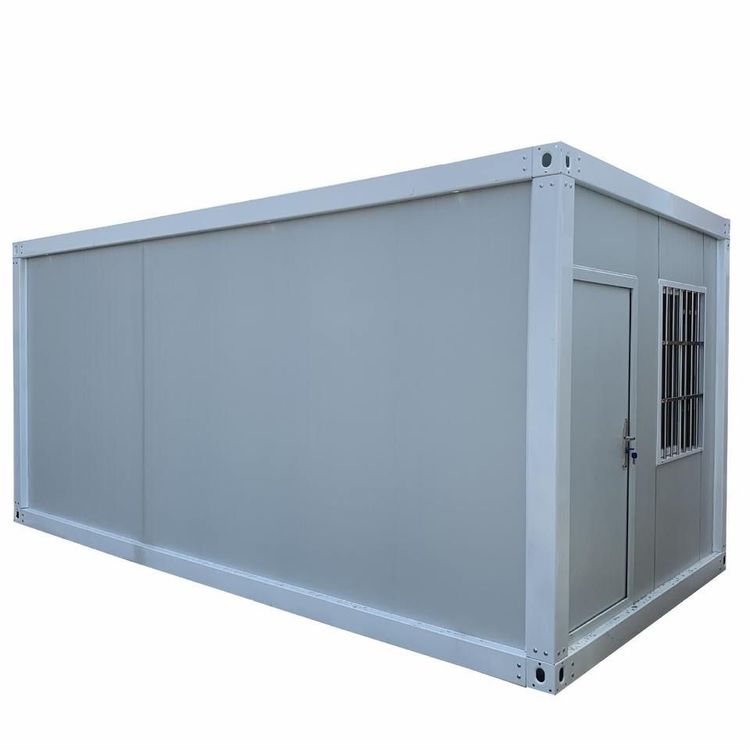
The installation of intelligent mobile toilets in Xinjiang (taking color-steel mobile toilets as an example) requires consideration of regional environmental characteristics and systematic engineering to achieve structural stability and functional sustainability. The specific steps are as follows:

1. Foundation Treatment: Adapting to Complex Geological Conditions
Xinjiang has diverse geological conditions, necessitating targeted adjustments to construction methods:
- Sandy Soil Areas: Use a combination of concrete bases and ground anchors to prevent structural displacement due to soil mobility.
- Permafrost Zones: The foundation depth must exceed the lower limit of the local permafrost layer to avoid uneven settlement caused by freeze-thaw cycles.
- Saline-Alkali Soil Areas: Elevate the foundation platform and use non-metallic isolation pads or aluminum-magnesium-zinc-coated color-steel plates for corrosion resistance, reducing the risk of salt-alkali corrosion.
2. Color-Steel Structure Assembly: Modularization and Thermal Optimization
- Panel Connection: Wall panels are connected internally via hidden slots, with external seams sealed with waterproof adhesive strips; the roof is designed with a slight curve to enhance load-bearing capacity and direct rain and snow.
- Modular Linkage: The tongue-and-groove connection of wall panels creates a thermal break effect, reducing heat conduction; elastic seals are added to bolt connections to compensate for deformation caused by temperature differences.
- Thermal Performance: The color-steel plate sandwich is filled with 150 mm of rock wool (exceeding standard activity house specifications), and windows feature double-glazed adjustable louvers, reducing indoor temperature regulation energy consumption by approximately 40%.
3. Pipeline System Installation: Water Conservation and Weather Resistance Design
- Modular Design: Sewage, ventilation, and water supply pipelines are prefabricated as independent modules in the factory and connected on-site; pipeline materials are high-density polyethylene to adapt to Xinjiang's large temperature variations.
- Water-Saving Technology: The flushing system uses pneumatic boosting to reduce water consumption, and sinks are equipped with sensor-based flow-limiting devices (single use ≤ 0.5 liters), with some models enabling wastewater recycling.
4. Ventilation and Sand Prevention Design: Responding to Dry Climates
- Convection Circulation Ventilation: Adjustable louvers are installed at high points on wall panels to utilize wind for negative pressure ventilation; sand filters are installed at exhaust duct openings and panel holes, with reserved cleaning and maintenance access.
5. Environmental Protection Measures: Eco-Friendly Construction
- Waste Treatment: Solid-liquid separation devices combine biological degradation with physical filtration to reduce cleaning frequency; the coating on color-steel plates uses photocatalytic materials to decompose pollutants, and solar panels can be installed on the roof for power supply.
- Construction Principles: In ecologically fragile areas, restrict the travel routes of construction machinery to avoid crushing vegetation; no concrete mixing is performed on-site, with all prefabricated components assembled directly.
6. Maintenance and Adaptability: Long-Term Stable Operation
- Regular Inspections: Repair the color-steel coating when powdering reaches level two, and replace seals after approximately 3,000 temperature cycles; inspect connections during seasonal transitions.
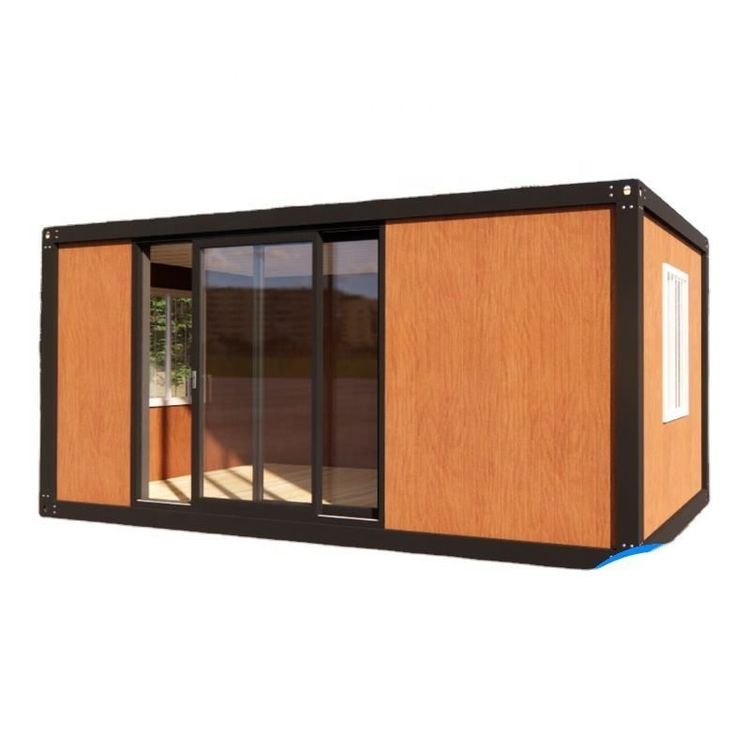
- Functional Expansion: The modular design supports flexible reorganization of functional units (e.g., adding a母婴室 (nursing room)), with standard interface dimensions adapting to various scenarios.