
Back to blog
Article
Portable Toilet Design: A Practical Buyer's Guide
Admin October 28, 2026
The core content of 'Portable Toilet Design: A Practical Buyer's Guide' covers design types, functional scenarios, advantages, and technical parameters, providing comprehensive reference for consumers.
1. Portable Toilet Design Types
Currently, there are two mainstream design types: foldable portable toilet devices and modular mobile toilets.
- Foldable Portable Toilets: Designed by German designer Eva Tint, these toilets mimic the shape of leaves and are made of special eco-friendly materials. When folded, they measure only 12×28 centimeters and can easily fit into a woman's handbag. Initially positioned as emergency supplies for women, they have since expanded to scenarios such as car travel and outdoor gatherings due to their portability, gradually being accepted by male users.
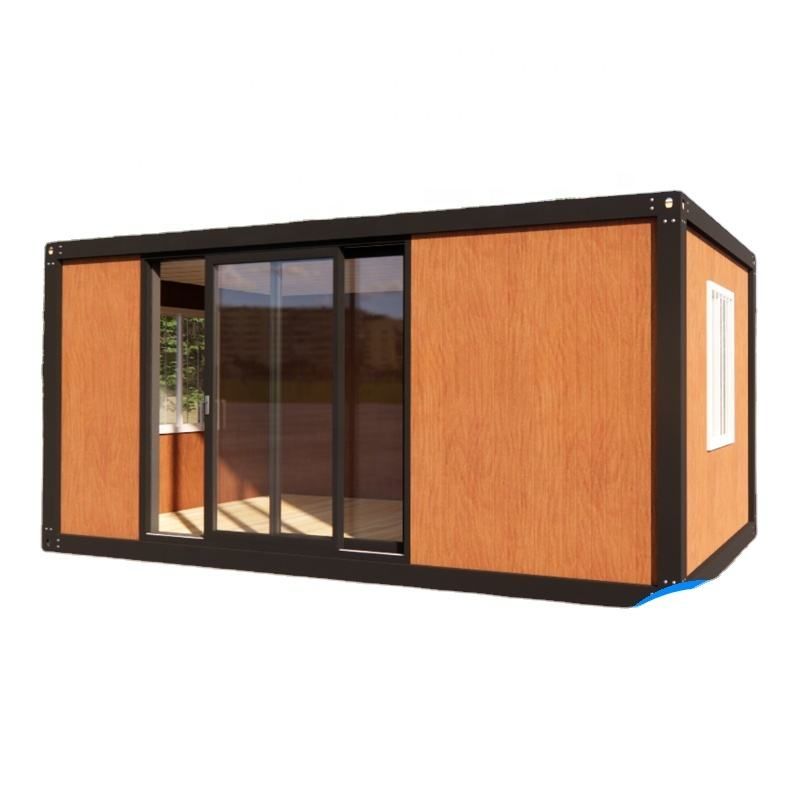
- Modular Mobile Toilets: These toilets use containers and steel as their main structural components, enabling rapid transportation and assembly through modular design. Their standardized components can be flexibly assembled, making them suitable for high-traffic outdoor scenarios (such as music festivals and construction sites) as well as semi-permanent needs in villas and hotels.
2. Core Functions and Suitable Scenarios
The functional positioning of the two design types differs significantly:
- Foldable Portable Toilets: Equipped with super-absorbent agents inside, they can convert liquids into gels and lock in odors, preventing leakage. The included cleaning wipes simplify subsequent disposal, and the used products can be discarded with regular trash. Their core scenarios include waiting in line for public restrooms, long-distance driving, and outdoor camping for temporary needs.
- Modular Mobile Toilets: They provide a complete toilet space and support flushing or dry disposal systems. Ventilation design enhances user comfort, and the steel structure ensures durability, making them suitable for villa expansions, container home配套 (supporting facilities), and temporary renovations of public bathrooms.
3. Design Advantages and Certification Standards
Both product types enhance user experience through technological optimization:
- Foldable Portable Toilets: Their lightweight design (each set weighing only a few hundred grams) reduces carrying burden; eco-friendly materials and absorption technology minimize odor diffusion risks, and the bottom features illustrated usage instructions to lower the operational threshold.
- Modular Mobile Toilets: The steel frame is highly corrosion-resistant, suitable for harsh outdoor environments; the ventilation system suppresses odors through air circulation; the products have passed CE certification (EU safety standards) and WaterMark certification (Australian water efficiency standards), ensuring ecological friendliness and user safety.
4. Technical Parameters and Specifications
- Foldable Portable Toilets: Sold in sets of three, priced at 11.27 euros, each set unfolds to meet the toilet needs of an adult and folds to a thickness of less than 3 centimeters.
- Modular Mobile Toilets: Specific dimensions are not disclosed, but it is emphasized that their structural strength meets container transportation standards, supporting multi-layer stacking and rapid assembly/disassembly to adapt to different site spaces.
These two design types meet diverse needs through differentiated positioning, allowing consumers to choose the appropriate product based on usage scenarios, budget, and portability requirements.
Related



