Xining Mobile Toilet Professional Design
The professional design of mobile toilets in Xining should be centered around the plateau climate, mobility requirements, and environmental protection needs, achieving a balance between functionality and adaptability through multi-dimensional optimization of structure, craftsmanship, and systems.

1. Main Structure and Material Selection
Xining experiences significant temperature variations between day and night, along with strong ultraviolet radiation, necessitating a main structure that balances stability and weather resistance. Metal frames should undergo anti-rust treatment (such as galvanization or spraying with anti-corrosion coatings) to prevent metal embrittlement or corrosion due to low temperatures; fiberglass-reinforced plastic (FRP) materials should incorporate anti-ultraviolet formulations to prevent deformation and cracking after prolonged exposure to sunlight. For the toilet body, high-density polyethylene or FRP composite materials are preferred due to their strong corrosion resistance and stability in temperatures ranging from -40℃ to 60℃. The inner wall coating should utilize a waterproof coating containing hydrophobic nanomaterials to reduce dirt adhesion and lower cleaning frequency.
2. Waterproof and Anti-Freezing Design
In plateau regions, winter cold can cause water accumulation to freeze and expand, leading to structural damage. Seams should be sealed with waterproof adhesive, and floors and walls should be coated with waterproof layers. Some high-end products incorporate secondary drainage designs (such as hidden drainage channels) to ensure timely drainage of accumulated water. The water pipe system should be wrapped with insulation layers and equipped with electric tracing heating devices to prevent freezing and cracking at low temperatures; toilets and other equipment should adopt anti-loosening installation structures to avoid damage from vibrations during transportation or use.
3. Mobility and Fixation Techniques
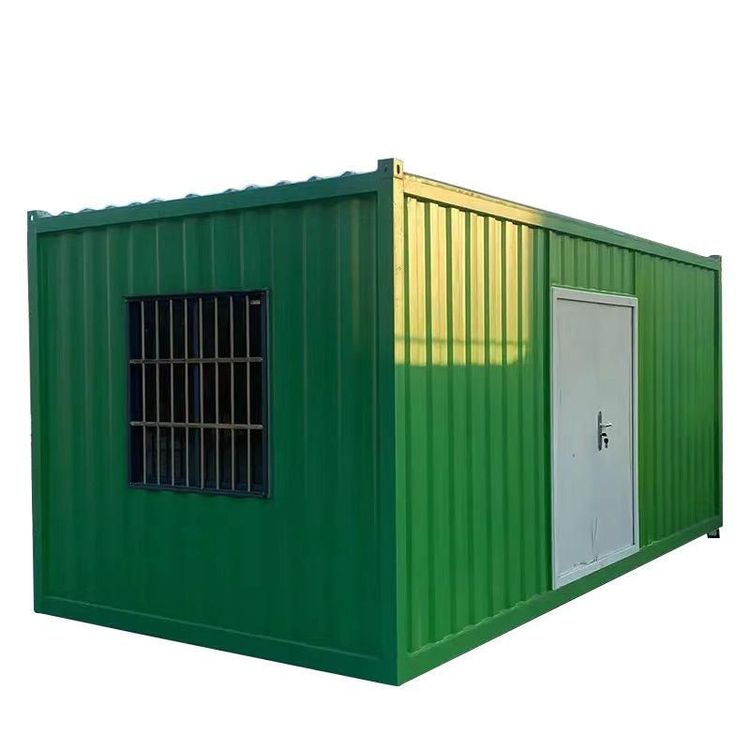
To accommodate frequent mobility needs, the toilet body should adopt hydraulic lifting or trailer-based designs for easy and rapid transportation and installation. When fixed in place, outdoor scenarios require ground fixation with expansion bolts or the use of counterweights to enhance stability; anti-slip floor designs (such as anti-slip tiles or rubber mats) can prevent slipping in rainy or snowy weather, while wind-resistant structures (such as the addition of windbreaks or ground anchors) can cope with strong winds on the plateau.
4. Environmental Protection and Energy-Saving Systems
Given the ecological fragility of plateau regions, toilets should be equipped with water-saving toilets (with a single flush volume of ≤3L) and solar power systems to reduce water and energy consumption. Some products employ biodegradation technology, using microorganisms to decompose feces for harmless treatment, suitable for scenic spots with high environmental protection requirements; independent water storage units and sewage collection tanks achieve solid-liquid separation through gravity and fluid mechanics principles, reducing the frequency of sewage removal.
5. Modular and Intelligent Design
Functional units are divided into handwashing areas, toilet areas, and equipment areas, which can be quickly assembled using snap-fit connectors to adapt to different site conditions. Internally, liquid level sensors and odor detectors are installed to monitor the capacity of the sewage collection tank and odor concentration in real-time, automatically sending maintenance alerts; high-end models are equipped with solar power panels to optimize sewage removal routes and cleaning cycles, enhancing management efficiency.