Xining Environmental Protection Mobile Toilet Installation
The installation of environmental protection mobile toilets in Xining focuses on resource optimization, achieving efficient and sustainable public health services through modular design, eco-friendly materials, and intelligent technologies. Its characteristics are as follows:
1. Modular Design and Rapid Installation
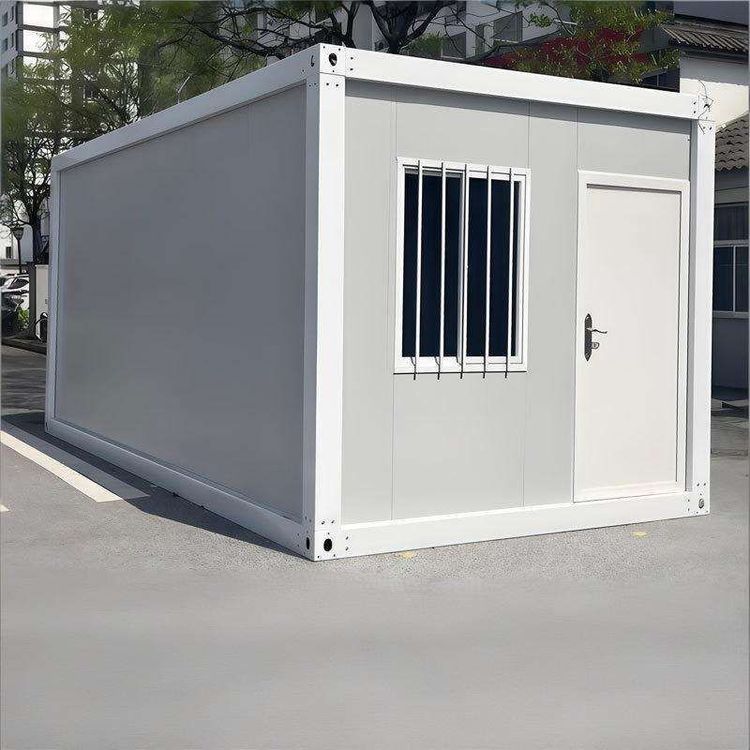
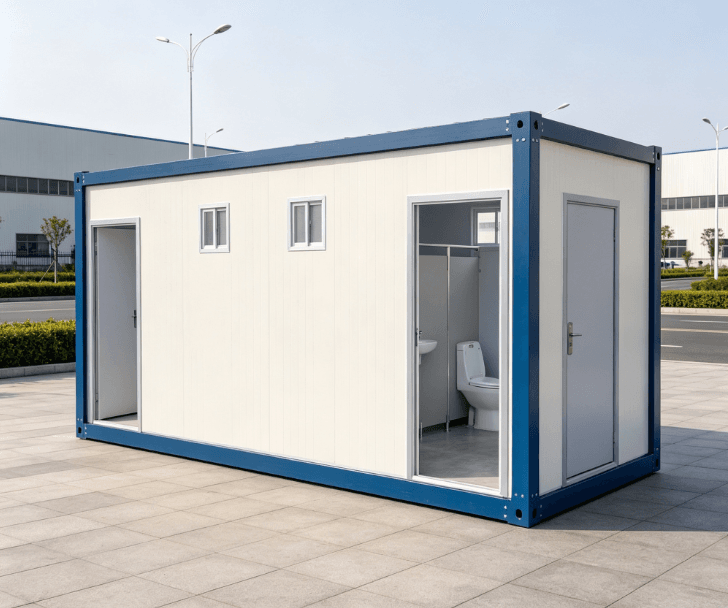
Xining's environmental protection mobile toilets adopt standardized component designs, with the toilet body, sewage system, ventilation devices, and internal fixtures prefabricated in factories. On-site work only requires foundation treatment, toilet body hoisting, and pipeline connections. Compared to traditional brick-and-mortar toilets, construction time is reduced by over 50%, and construction waste is decreased by approximately 70%. The installation process does not require complex construction equipment, and 3-5 workers can complete assembly in 1-2 days, significantly improving deployment efficiency.
2. Eco-Friendly Materials and Adaptive Structures
The toilet shell uses a color-steel composite structure, consisting of a surface layer of galvanized steel, an intermediate polyurethane insulation layer, and an inner moisture-proof board. This design combines strength, thermal insulation, and weather resistance, making it suitable for Xining's environment with large temperature differences between day and night and strong ultraviolet radiation. Some main components use recyclable plastics and lightweight materials, reducing resource consumption. Foundation treatment employs adjustable concrete piers or steel frame bases to avoid permanent damage to the ground and minimize ecological disturbance.
3. Integrated Environmental Protection Technologies
- Sewage System: Two modes are available—connecting to municipal sewage networks or equipped with integrated biological treatment equipment/sewage storage tanks. The latter achieves centralized waste treatment through regular pumping, preventing soil and water pollution.
- Ventilation System: Combines natural convection with mechanical exhaust to maintain fresh air and reduce odor diffusion through rational airflow design.
- Water Resource Recycling: Some toilets are equipped with rainwater collection devices or graywater reuse systems, using rainwater or treated wastewater for flushing, reducing tap water consumption by approximately 60%.
- Energy-Efficient Lighting: Uses LED light sources with light-sensing controls to automatically adjust brightness based on ambient conditions, further saving energy.
4. Reversibility and Full Lifecycle Management
The toilets do not use permanent connections, allowing all components to be dismantled and relocated for reassembly at new sites. The material recycling rate approaches 100%, avoiding construction waste due to functional changes. Additionally, integrated smart management modules (such as usage status monitoring, consumable inventory alerts, and environmental parameter collection) transmit data wirelessly to a management platform, optimizing cleaning and maintenance efficiency and reducing manual inspection frequency by approximately 40%.
5. Preliminary Assessment and Systematic Coordination
Before installation, a comprehensive assessment of geological conditions, pedestrian flow patterns, and energy access methods is required to determine foundation types, site selection, and power supply plans. This ensures long-term stable operation of the toilets while minimizing ecological disturbance to the surrounding area.