Xinhe Concrete Prefabricated House
Currently, there is no detailed public information directly about the 'Xinhe Concrete Prefabricated House'. However, we can make inferences based on the business of related companies and the general characteristics of concrete prefabricated houses.
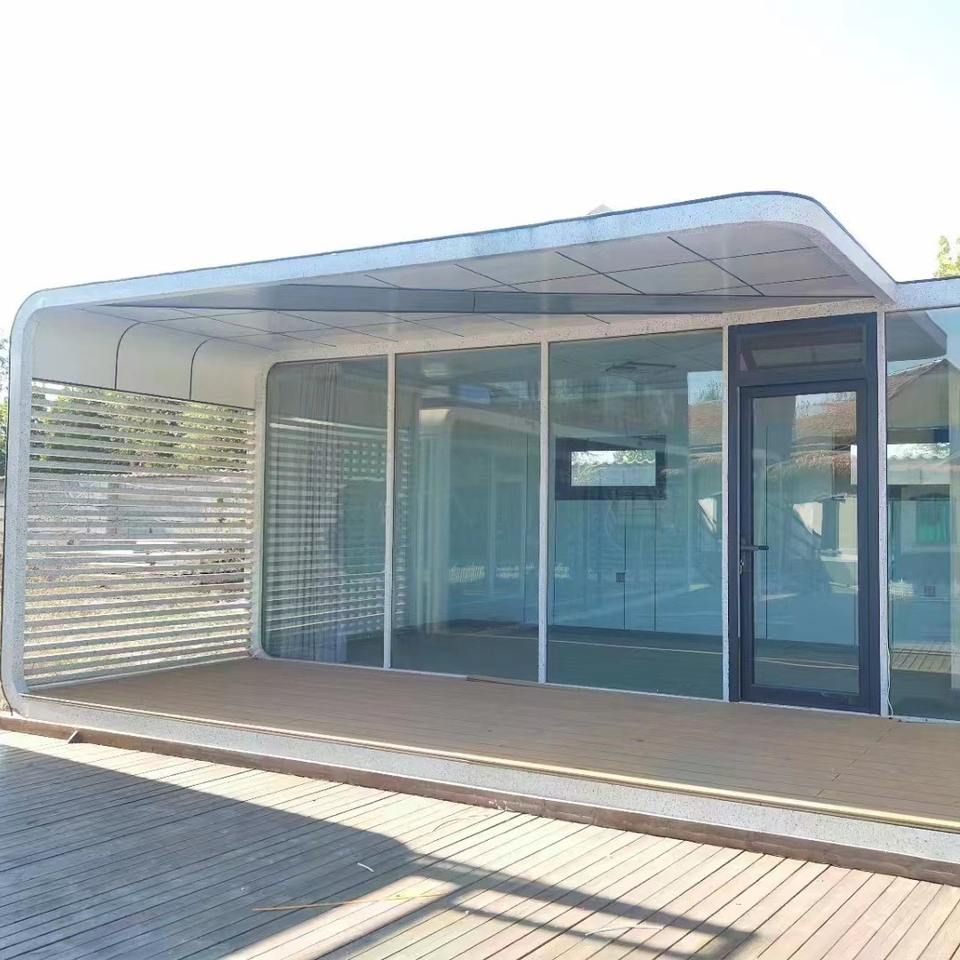
From the perspective of corporate business, Xinhe Mingji Construction and Installation Co., Ltd. includes 'prefabricated concrete mixing' in its business scope. This indicates that the company has the capability to produce prefabricated concrete, a key material in the construction of concrete prefabricated houses. The prefabricated concrete mixing business may involve mixing raw materials such as cement, aggregates, and water in specific proportions to produce concrete that meets certain strength and quality requirements. This concrete may subsequently be used to make prefabricated components for houses, such as prefabricated wall panels, floor slabs, and beams. However, solely based on the business scope of 'prefabricated concrete mixing', it is impossible to directly determine whether the company has actually engaged in business directly related to the 'Xinhe Concrete Prefabricated House', such as whether it has designed or constructed concrete prefabricated house projects named after 'Xinhe'.
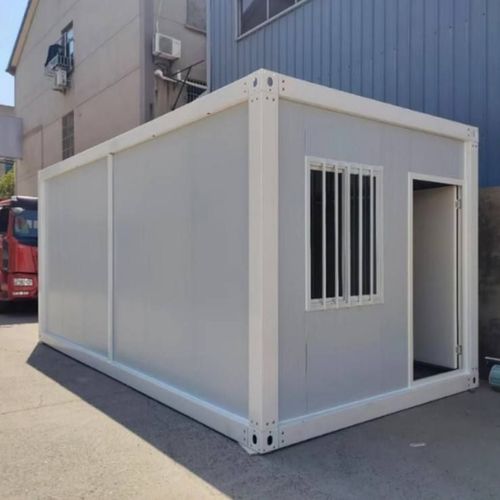
Concrete prefabricated houses are a form of housing constructed by assembling prefabricated concrete components produced in factories on-site. They offer numerous advantages. Fast construction speed: The prefabricated components are produced in advance in factories, and only assembly is required on-site, significantly shortening the construction period and enabling rapid satisfaction of housing demands. Quality control: The factory production environment is relatively stable, allowing for strict adherence to design requirements during production, ensuring the quality and precision of components and reducing quality fluctuations during construction. Environmental protection and energy efficiency: They reduce on-site wet operations, lowering dust and noise pollution. Additionally, factory production facilitates the centralized utilization and recycling of resources, aligning with the development trend of green buildings. However, concrete prefabricated houses also face some challenges, such as transportation costs: The large volume and weight of prefabricated components require special transportation equipment and measures, increasing transportation costs. Design flexibility: Compared to traditional cast-in-place buildings, the design and production of prefabricated components require advance planning, potentially limiting design flexibility.