
Xingtai Urban and Rural Mobile Toilets
The mobile toilet services in Xingtai's urban and rural areas are characterized by diversity, flexibility, and adaptation to local conditions. Through technological adaptation, scenario innovation, and localized operations, they effectively bridge the gap in urban and rural infrastructure.
I. Service Scenarios and Demand Adaptation
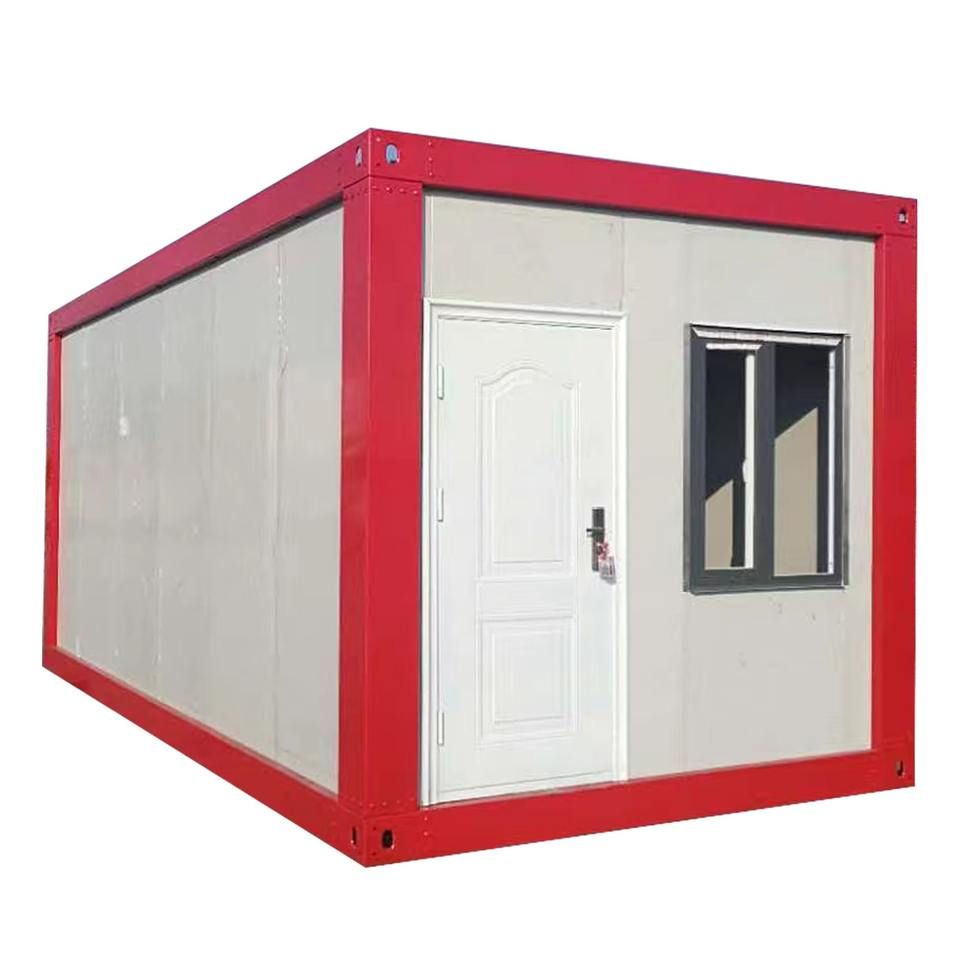
Seasonal events in Xingtai's rural areas, such as village fairs, temple fairs, and agricultural festivals, attract dense crowds, creating a high demand for temporary toilets. Service providers offer modular mobile toilets, each capable of serving over a hundred people per day, equipped with non-slip floors, ventilation windows, independent lighting, and sealed sewage systems, balancing practicality with hygiene standards. Services cover non-fixed venues like village cultural squares, agricultural product exhibitions, and field picking festivals, providing single-unit, corridor-style, and models with handwashing stations to meet varying area and foot traffic needs.
II. Technological Features and Eco-Friendly Design
Mobile toilets feature high-strength composite material bodies that are freeze-resistant, corrosion-resistant, and wind-pressure resistant. Internally, they are equipped with water-saving flushing systems, ventilation and deodorization devices, and barrier-free facilities. Some premium models integrate solar power, biodegradation treatment technology, and smart sensing equipment for low-energy operation and remote monitoring. Sewage treatment often employs packing or microbial degradation methods to prevent soil and water pollution, complying with groundwater protection requirements in North China. For winter's low temperatures, the equipment uses insulation materials and heating devices to prevent freezing, ensuring normal use.
III. Customized Innovations for Agricultural Scenarios
In rural and farmland areas, waterless mobile toilets use packing technology, allowing excrement to be directly used as organic fertilizer for farmland, aligning with the concept of agricultural production cycles. The equipment's outer shell is made of weather-resistant polyethylene, with a detachable base for easy transport by tractors. In the terraced fields of the Taihang Mountains, there are even "backpack-style" single-person toilets carried by farmers into orchards. Some factories combine agricultural machinery manufacturing experience, integrating toilet frames with agricultural trailer chassis for multi-purpose use. For historic districts in ancient cities, micro-sized toilets no taller than 2 meters are provided, hidden along walls without disrupting the landscape.
IV. Operational Models and Localized Services
Leasing options are flexible, with charges based on daily, weekly, or event cycle durations, without hidden deposit terms. Equipment transportation, installation, cleaning, and basic consumables are all included in the quote. Service providers have localized teams that flexibly arrange toilet placement, inspections, and waste removal frequencies based on market cycles. During operations, there are two daily basic cleanings and thorough disinfection after events. Xingtai has innovated a "toilet-fertilizer integration" mechanism, regularly collecting excrement for processing at organic fertilizer plants. Some of the resulting fertilizer is returned to farmers, while the rest is sold to subsidize maintenance costs, creating a virtuous cycle.



