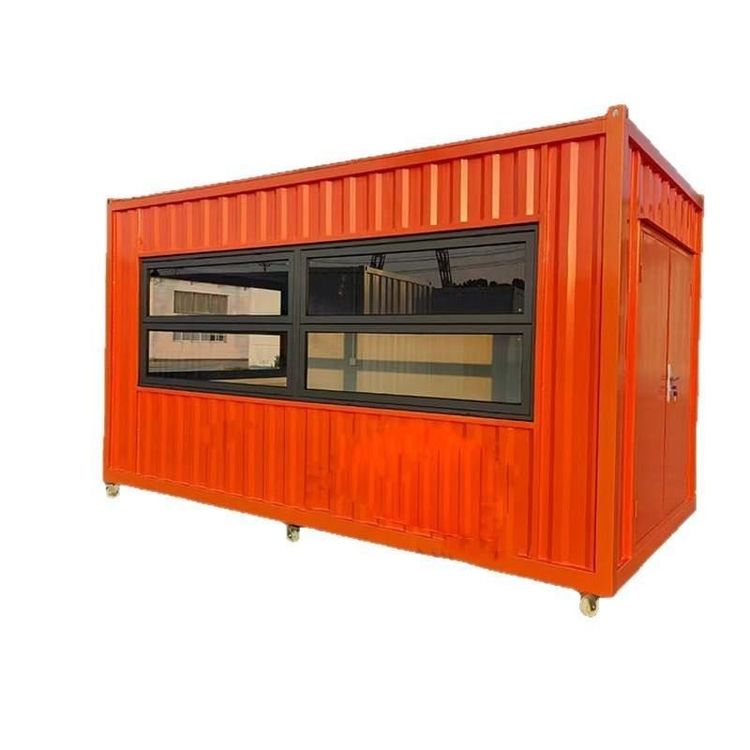
Xiamen Mobile Toilet Processing Technology
The processing technology of mobile toilets in Xiamen covers five core aspects: material selection and pre-processing, modular assembly, internal facility installation, surface treatment, and finished product inspection. Details are as follows:
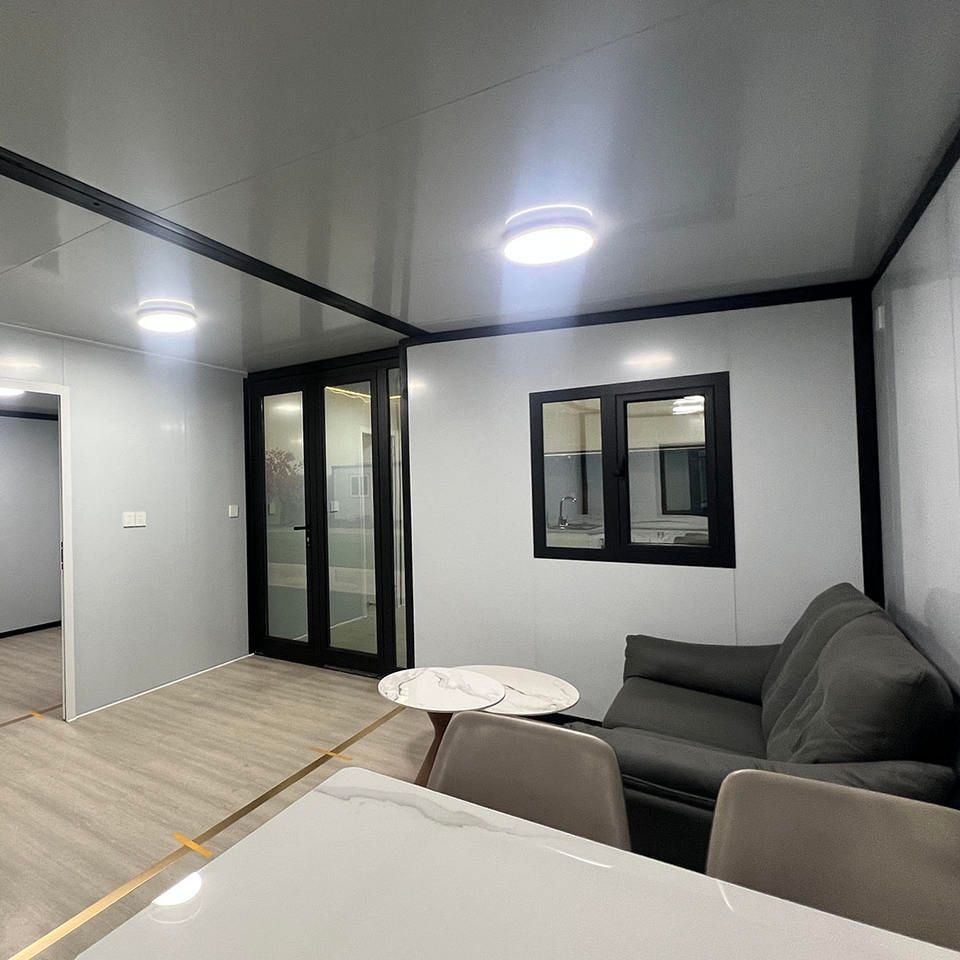
Material selection and pre-processing form the foundation of the technology, primarily utilizing materials such as fiberglass-reinforced plastic, stainless steel, and metal carved panels. Material pre-processing involves using a CNC plasma cutting machine to divide the sheets into wall modules according to 3D drawings, with cutting accuracy strictly controlled within plus or minus 0.5 millimeters. For bending operations, a hydraulic bending machine is used, requiring the calculation of the springback coefficient to adjust the bending angle. Curved components are formed using mold hot pressing, with precise control of the curing agent addition ratio and ambient temperature for fiberglass-reinforced plastic materials to ensure forming quality.
Modular assembly adopts a production line operation mode. The floor assembly is the first to enter the assembly station, where non-slip aluminum plates and moisture-proof pads are bonded with structural adhesive. Wall modules are connected to the floor using special fasteners, and polyurethane foam is injected at the joints for sealing and reinforcement. The piping system is embedded within the wall cavities, adopting a same-floor drainage design to reduce the risk of blockages. Ventilation ducts are hidden within the ceiling sandwich layer and equipped with check valves to prevent odor backflow, ensuring user comfort.
Internal facility installation follows the principle of functional zoning. Washbasins are made of one-piece ceramic basins and fixed to stainless steel brackets with mechanical fasteners. Toilets are installed differently depending on the type; water-saving direct-flush toilets require precise calibration of the drainage pipe slope, while microbial degradation toilets require the installation of biological decomposition chambers and ventilation devices. The wiring for the intelligent control system is laid along pre-embedded conduits, with human body sensors and lighting systems integrated onto a unified circuit board for intelligent control.
Surface treatment includes both protective and decorative processes. Metal surfaces undergo a six-step spraying process, including degreasing and phosphating treatment, spraying of epoxy primer, electrophoretic coating, and application of fluorocarbon topcoat to enhance weather resistance. Internal walls are treated with an antibacterial coating, with silver ion-added paint effectively inhibiting microbial growth. All joints are treated with silicone sealant for secondary waterproofing to ensure long-term use without leakage.
Finished product inspection is divided into performance testing and safety verification. Airtightness testing is conducted using a positive pressure detection method, applying 150 pascals of air pressure inside to monitor for leaks. The drainage system undergoes a continuous flushing test, with the standard requiring no leakage after 200 consecutive flushes. Load testing involves applying a uniformly distributed load of 100 kilograms per square meter on the roof, with the structural deformation not exceeding 1/300 of the span. Electrical safety testing includes insulation resistance testing and measurement of the response time of leakage protection devices to ensure product safety and reliability.