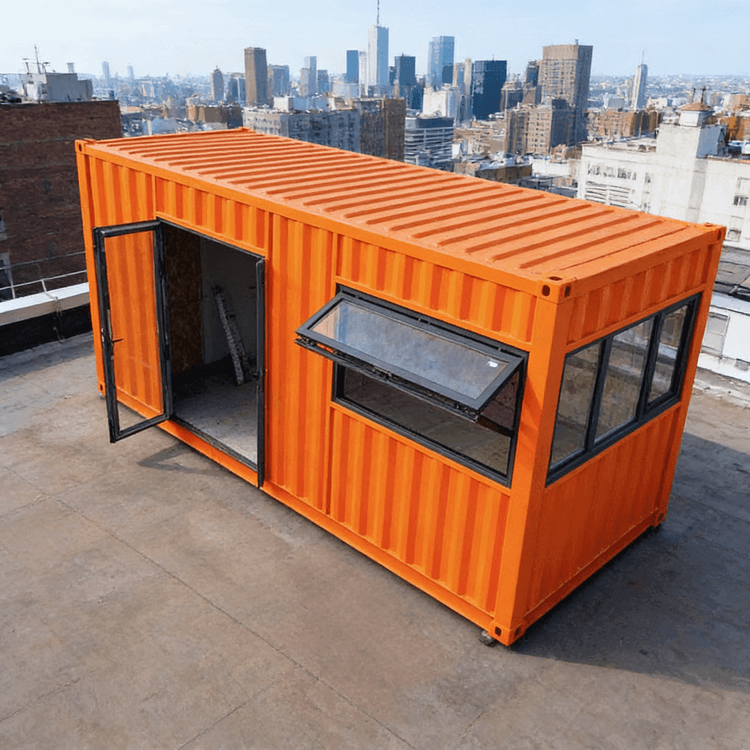
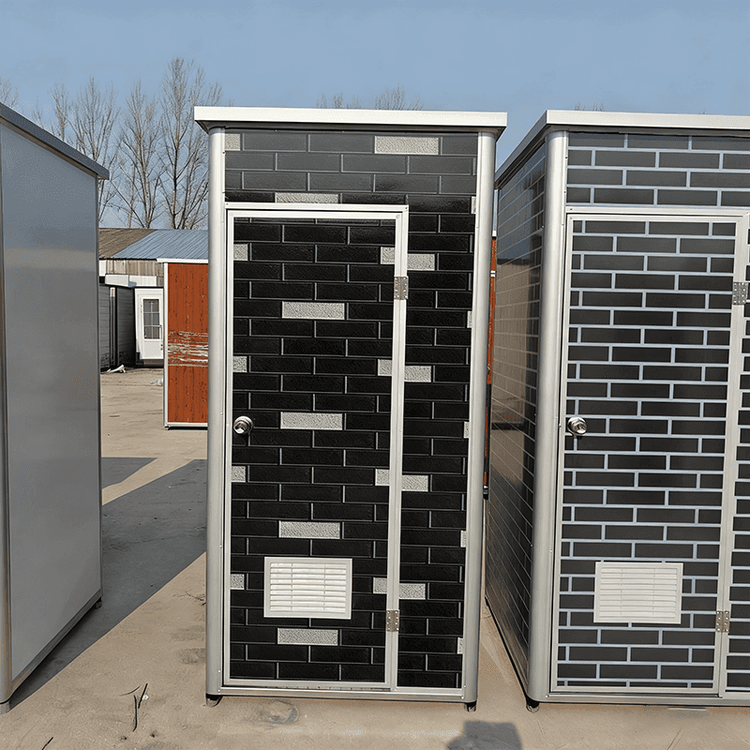
Wuxi Intelligent Mobile Toilet Design
The design of intelligent mobile toilets in Wuxi combines practicality and humanization, which is reflected in multiple aspects such as basic sanitation protection, space optimization, emergency and scenario adaptation, environmental protection and energy conservation, and intelligent planning.

Basic Sanitation Protection: The interior decoration uses anti-slip and anti-mold tiles, and the floor is treated with waterproof and anti-leakage measures to effectively prevent water accumulation and bacterial growth. The toilets adopt a water-saving design, with a single flush volume of only 3 - 5 liters, saving more than 60% of water compared to ordinary toilets, which is both environmentally friendly and ensures cleanliness. Some new models also come with a deodorization system that effectively reduces odor residue through activated carbon adsorption and timed fragrance dispensing, providing a good sanitary environment for users.
Space Optimization: The interior layout is exquisite, usually equipped with 1 - 3 toilet stalls. Women's toilets often adopt a “double-stall + sink” design to meet the needs of women; men's toilets are equipped with storage racks and hooks for convenient placement of items. Some mobile toilets also have dedicated stalls for the disabled, equipped with handrails and emergency call buttons, reflecting care for special groups. For example, the mobile toilets in the Yuantouzhu Scenic Area have installed breathable skylights on the top, ensuring ventilation while preventing rain, enhancing the user experience.
Emergency and Scenario Adaptation: They can quickly respond to various scenario needs. During the Wuxi Marathon, dozens of mobile toilets are temporarily set up along the route; during holidays at scenic spots such as Nanchan Temple and Huishan Ancient Town, mobile toilets with “nursing rooms” are deployed in advance to meet the needs of different groups. In winter, some mobile toilets are equipped with insulation layers and warm air systems, while in summer, they are equipped with intelligent cooling devices to adapt to different seasonal climate conditions. Last year at the Taihu Music Festival, some mobile toilets even supported wireless phone charging, reflecting adaptation to modern life needs.
Environmental Protection and Energy Conservation: They adopt the “feces-urine separation + ecological treatment” technology. Urine is collected through pipelines and used for surrounding greening irrigation, while feces are compressed and transported to professional treatment stations, achieving resource recycling. In terms of energy, most mobile toilets are equipped with solar panels for daytime charging and nighttime lighting, reducing power consumption and avoiding the exposure of wires, which lowers safety risks.
Intelligent Planning: They select a multi-stall treatment system that recycles water resources, is not restricted by the number of users, and has a low probability of malfunctions, improving the usage efficiency and stability of mobile toilets.