
Wuxi Community Mobile Toilet
The mobile toilet in Wuxi communities is a temporary facility designed to meet concentrated sanitation needs during specific periods in residential areas. It achieves rapid deployment and removal through modular design, with its core value lying in filling the service gap left by fixed toilets and avoiding resource waste from idleness.
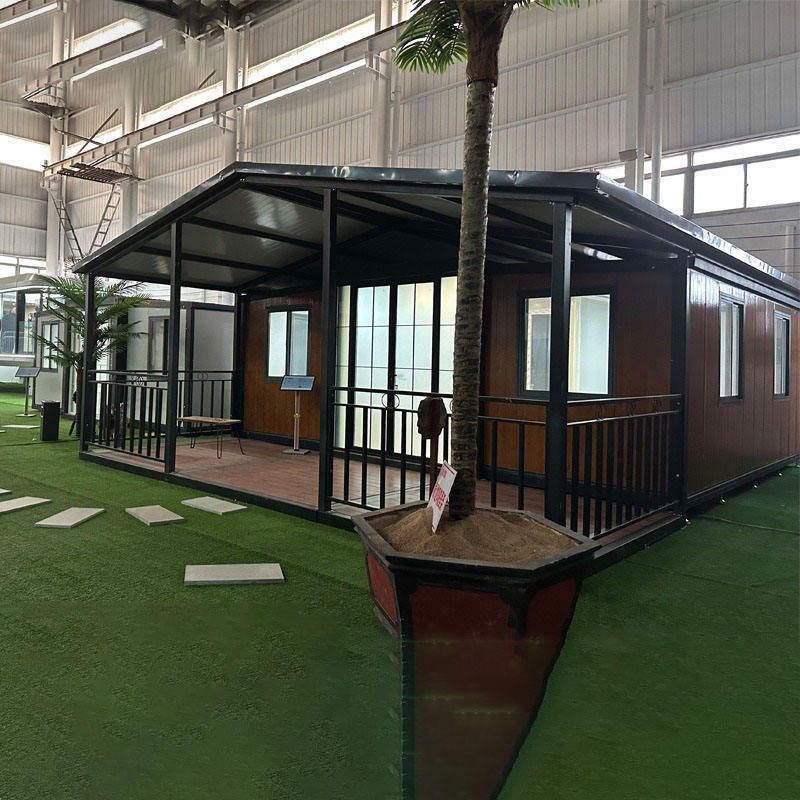
Facility Composition and Functional Characteristics
The core components of a mobile toilet include an excreta collection system (such as a fecal storage tank or septic tank), a flushing or sealing mechanism (some use water-free packaging technology), an independent structural frame (made of light steel or aluminum alloy), and ventilation and lighting units. Its modular design allows for flexible combination of single or multiple toilet units according to demand, supporting rapid installation and removal, typically achievable within a few hours. Functionally positioned for short-term emergency use, it places greater emphasis on harmonizing its appearance with the community environment compared to container toilets at construction sites, often adopting brick-like patterns or light-colored exteriors. Compared to large-scale toilet clusters at major events, it is smaller in scale, prioritizing the control of noise and odors that may interfere with residents' lives.
Deployment Conditions and Physical Impacts
Two aspects need to be evaluated before deployment:
- Demand Forecasting: It is necessary to clarify the peak number of users (such as the number of participants in community activities), the duration of use (such as the pipeline renovation cycle), and the demographic structure (the proportion of elderly and children affects the choice of toilet types);
- Site Conditions: It is essential to confirm the available area (approximately 2-3 square meters per single toilet unit), ground bearing capacity (≥200 kg/square meter), accessibility of water supply and drainage connections (flushing toilets require water pipes, while water-free toilets do not), and the通行路线 (avoiding interference with fire lanes) for waste removal vehicles.
After deployment, three types of changes may occur:
- Space Occupation: Temporarily occupying green spaces, open spaces, or the sides of roads, altering their original functions (such as suspending the use of fitness areas);
- Material Flow: Consuming water (approximately 0.5 liters per flush for flushing toilets) and generating waste that requires regular removal (the fecal storage tank must be processed within 24 hours after reaching full capacity);
- Personnel and Vehicle Access: Maintenance and waste removal operations may increase the frequency of temporary access to the community.
However, all these changes are temporary. After the service ends, the site can be restored by removing the facilities and replanting greenery or hardening the ground.
Application Scenarios and Resource Efficiency
Mobile toilets are primarily used in three scenarios:
- During Pipeline Renovation: Providing an alternative when fixed toilets are out of service;
- During House Renovation: Preventing construction workers from using residents' toilets;
- At Large Community Events: Addressing the shortage of toilet facilities due to a surge in foot traffic.
They offer significant advantages in resource utilization efficiency:
- Low Cost: The rental cost is approximately one-fifth to one-third of the construction cost of a fixed toilet;
- Rapid Response: They can be deployed within 24 hours, adapting to sudden demands;
- Avoiding Idleness: There is no need to build permanent facilities for short-term peaks, reducing long-term maintenance costs.
In essence, they represent an elastic sanitation service model of 'supply on demand,' achieving optimal resource allocation through temporal and spatial mismatches.



