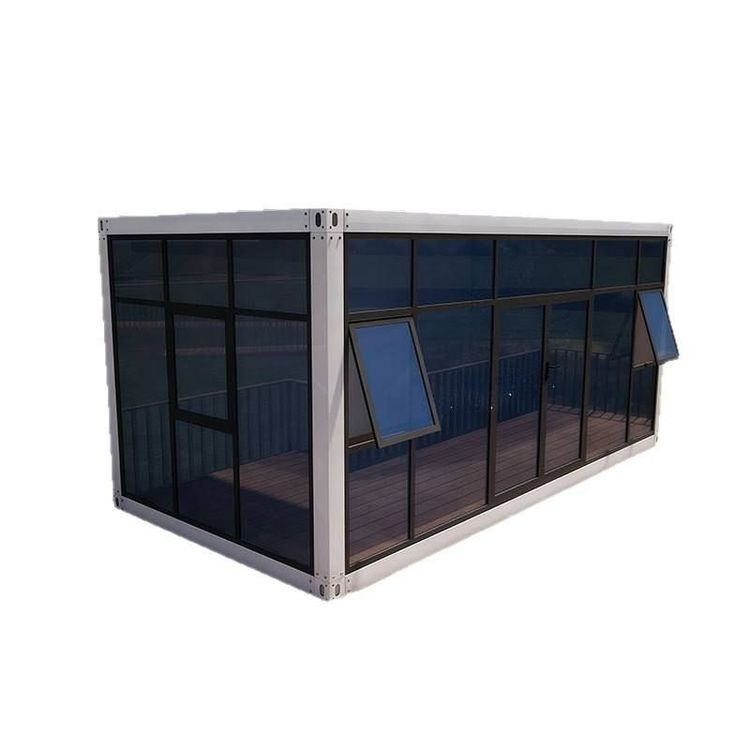
Wulong Plastic Mobile Toilet
Currently, there is no direct detailed information about the 'Wulong Plastic Mobile Toilet', but we can provide a general introduction based on the common characteristics of plastic mobile toilets.

Material and Structural Features of Plastic Mobile Toilets
Plastic mobile toilets typically use high-strength plastic as their primary material, with some lightweight models employing special engineering plastics that offer advantages such as light weight, corrosion resistance, and ease of cleaning. Their structure generally consists of two parts: a frame and a shell. The frame is often welded from steel to enhance stability, while the shell is either molded or assembled from plastic. Some products incorporate insulation layers within the plastic shell to adapt to low-temperature environments. Additionally, portable plastic toilets may omit the steel frame and rely solely on the mechanical design of the plastic for support.
Functional Design and User Convenience
The core advantage of portable plastic toilets lies in their 'plug-and-play' functionality. They come equipped with their own water tanks (some models have separate clean water and wastewater tanks), eliminating the need for external water sources or drainage pipes. They achieve independent use through internal circulation systems or direct wastewater storage. For example, some models employ biodegradation technology to treat waste, reducing sewage discharge; high-end models may be equipped with flush buttons, exhaust fans, and other devices to enhance user comfort. Furthermore, the smooth surface of plastic makes it difficult for odors to adhere, and cleaning requires only a simple rinse with water.
Mobility and Installation Requirements
The mobility of plastic mobile toilets is reflected in two aspects: first, easy transportation, as finished products can be directly transported to their destination by truck and require no complex assembly upon arrival; second, flexible positioning, as lightweight models can be manually carried by 1-2 people, making them suitable for temporary events, post-disaster reconstruction, and other scenarios. Installation only requires a level ground surface, and some models may need to be connected to a power source (such as those with exhaust fans or lighting), but they do not require connection to a septic tank or municipal sewer system, significantly lowering the barrier to use.
Application Scenarios and Limitations
Plastic mobile toilets are widely used in temporary or semi-permanent settings such as outdoor music festivals, construction sites, and tourist attractions. Their limitations include: limited capacity, requiring regular cleaning of the wastewater tank or replacement of degradation materials; variable weather resistance, as ordinary plastics may age and deform under extreme temperature differences or prolonged exposure to ultraviolet light; and lower comfort, as they typically have narrower spaces and lack constant temperature control compared to fixed toilets.