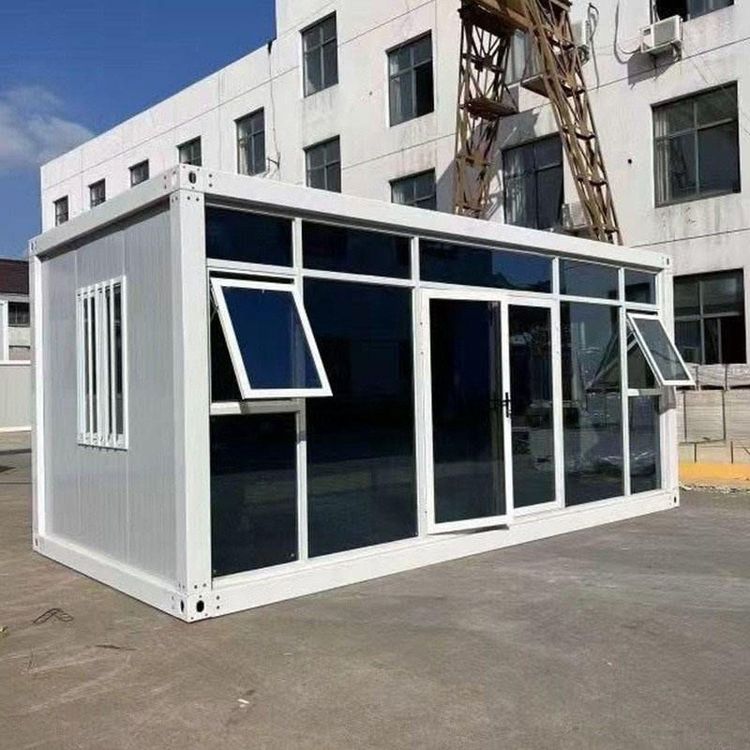
Wulong Mobile Environmental Toilet Production
The production of mobile environmental toilets in Wulong involves multiple key aspects, covering manufacturers, product characteristics, production processes, material technologies, and more.

Manufacturers and Projects: Chongqing Yiman Cang Technology Co., Ltd. is a significant manufacturer of mobile environmental toilets in the Wulong region. It has launched an annual production project for 100 smart toilets in the Baima Cluster of the Wulong Industrial Park, including 50 smart toilets and 50 outdoor space capsules (mobile homestays). The total project investment is 1 million yuan, with an environmental investment of 200,000 yuan, accounting for 20% of the total investment. The project's environmental impact assessment has been approved by the Chongqing Wulong District Ecological Environment Bureau. Additionally, Ruisi Advertising Products Manufacturer (Yongchuan Branch in Chongqing) has a supply range covering areas such as Wulong County and also mainly deals in products like mobile toilets.
Product Characteristics: The 'mobile' attribute of mobile toilets is a composite concept, featuring rapid deployment, changeable locations, and reconfigurable functional modules throughout their lifecycle. Given the transportation conditions in the mountainous areas of Wulong, some manufacturers adopt lighter structural materials or split designs, enabling individual modules to pass through narrow mountain roads and be quickly assembled upon reaching designated locations to adapt to complex terrains.
Production Process: The production of mobile toilets is closer to 'order-based configuration'. Manufacturers first receive parameters for specific application scenarios, such as estimated foot traffic, usage duration, on-site water and electricity conditions, sewage discharge restrictions, and special aesthetic requirements. Taking the technical path for waste disposal as an example, if the installation site has municipal sewage pipes, the product only needs to be equipped with simple flushing and pipe connections internally. If not, independent systems such as microbial degradation, foam sealing, vacuum collection, or chemical treatment need to be integrated. These systems, as different 'functional packages', are embedded into the box structure at the design stage.
Materials and Technologies: The selection of box materials for mobile toilets requires balancing strength, weight, corrosion resistance, and cost. Commonly used materials include metal-framed composite panels, fiberglass-reinforced plastic (FRP), and emerging lightweight high-strength composite materials. For mountainous environments in Wulong County, which are rainy, humid, and have low winter temperatures, the durability of materials is particularly important. Manufacturers need to make targeted adjustments in their production processes to ensure the stability and durability of products in different environments.