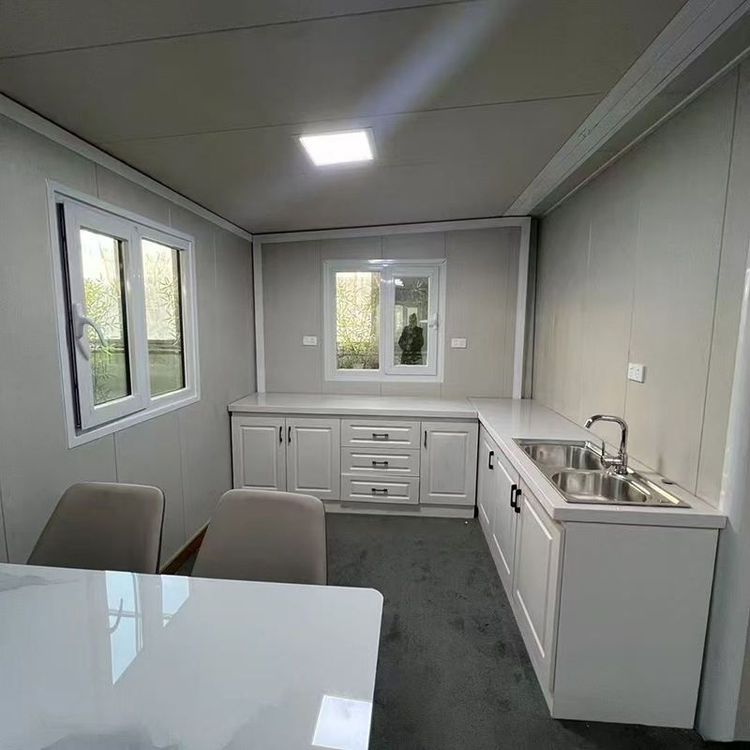
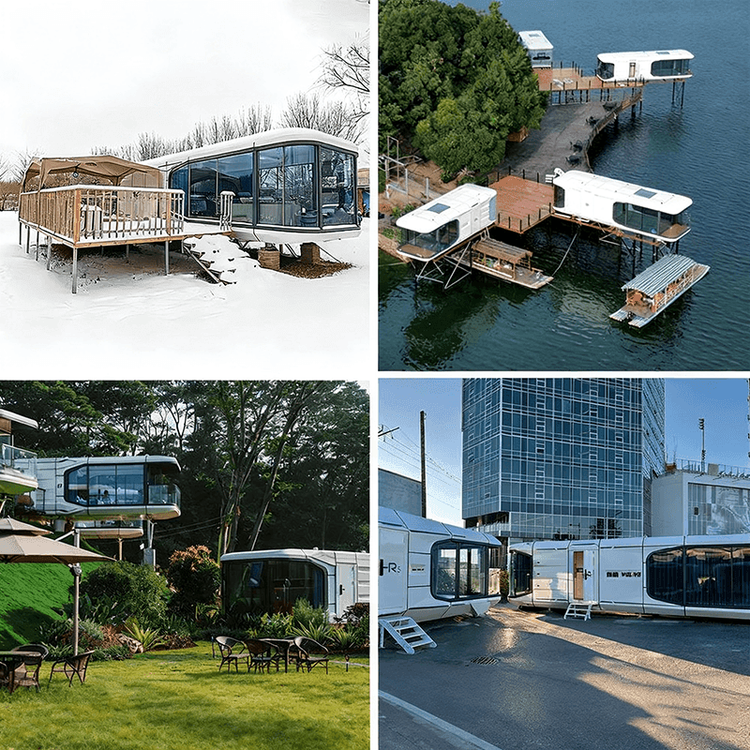
Wuhai Municipal Mobile Toilet
Wuhai municipal mobile toilets, centered on modular leasing services, achieve flexible responses to temporary public health needs and efficient resource utilization through technological integration and service model innovation.

I. Technological Integration and Functional Realization
Mobile toilets adopt a modular design, integrating water supply and drainage, ventilation, lighting, and waste disposal systems. Their core advantage lies in independence from traditional underground sewage networks: equipped with self-contained water storage tanks and septic tanks or biological treatment units, they can operate independently; through water-saving fixtures (such as low-flow flushing devices) and solar power systems, they reduce energy and water consumption. Waste treatment technologies are flexibly selected based on the scenario: biological degradation utilizes microorganisms to break down organic matter, suitable for long-term use scenarios; chemical treatment involves adding agents for disinfection and sterilization, appropriate for short-term high-density populations; physical storage involves temporary storage in sealed containers with regular removal. Technological integration enables mobile toilets to be transported, installed, and put into use within hours, meeting urgent needs.
II. Full-Cycle Leasing Service Model
The service provider offers full-cycle operation and maintenance support, including "transportation-installation-maintenance-removal": responsible for equipment positioning, water and electricity connection debugging, regular cleaning and disinfection, replenishment of consumables (such as toilet paper, hand sanitizer), and waste disposal. Standardized processes ensure service quality continuity, such as professional vehicle removal of full septic tanks to avoid secondary pollution. The leasing model reduces material consumption and land occupation by reusing equipment across multiple scenarios (e.g., relocating to construction sites after events), forming a resource循环 loop of "use-maintenance-reuse."
III. Typical Application Scenarios
- Large-Scale Public Events: During music festivals or sports events, mobile toilets can be quickly deployed around the venue to supplement the shortage of fixed public toilets and alleviate queueing pressure during peak hours.
- Temporary Construction Sites: Construction sites have dense populations and short durations; mobile toilets avoid the costs of building permanent facilities and the construction waste generated by demolition.
- Areas Uncovered by Fixed Facilities: In remote scenic spots or post-disaster temporary settlements, their flexibility compensates for the lack of public health services in areas without sewage network coverage.
IV. Environmental Efficiency and Sustainable Development
Mobile toilets reduce environmental loads through technological optimization: aerobic biological degradation reduces the frequency of septic tank cleaning; centralized waste treatment lowers local pollution risks; and detachable structures extend material lifespans, avoiding resource waste from fixed building demolition. According to practical data, a single mobile toilet can save up to 80% of water daily and achieve over 60% energy self-sufficiency, significantly outperforming traditional public toilets.