Why Portable Toilet Quality Matters: A Quick Guide
The quality of portable toilets is crucial as it directly affects their durability, user comfort, space efficiency, versatility, and safety compliance, making it a key factor in providing reliable sanitation solutions.

1. Durability and Corrosion Resistance
High-quality portable toilets are typically manufactured using durable materials such as high-density polyethylene (HDPE), which offer excellent corrosion and impact resistance. This characteristic enables them to operate stably over the long term in outdoor or harsh environments, such as those with high humidity, extreme temperatures, or exposure to chemicals, reducing the risk of damage caused by material aging. For commercial venues or high-traffic areas like music festivals or construction sites, durability directly determines whether the equipment can continuously provide services, avoiding increased costs and operational disruptions due to frequent repairs or replacements.
2. User Comfort and Hygiene Experience
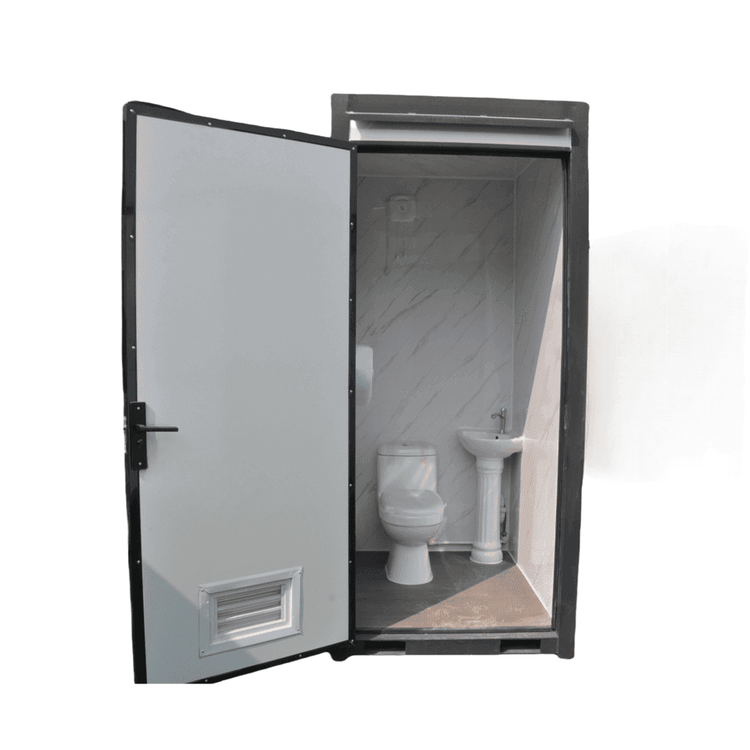
Modern portable toilets enhance user experience through design optimizations. For example, models equipped with sit-down flushing systems, non-slip floors, and ventilation devices offer a level of comfort close to that of fixed sanitation facilities. These features not only reduce odors and bacterial growth but also lower the risk of cross-infection, significantly improving user hygiene satisfaction, especially in temporary scenarios lacking traditional drainage systems, such as post-disaster relief or wilderness camping.
3. Space Efficiency and Portability
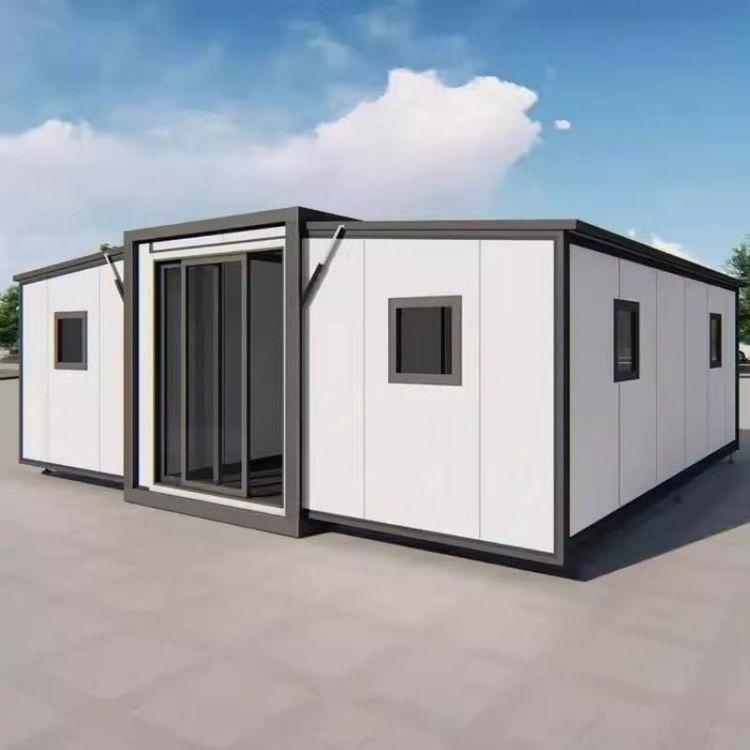
Compact design is one of the core advantages of high-quality portable toilets. By optimizing internal layouts, such as using foldable structures or modular components, their footprint can be reduced to less than one-third of that of traditional toilets, making them ideal for space-constrained venues like narrow construction sites or crowded event sites. Additionally, lightweight materials and standardized interfaces support quick installation, disassembly, and transportation, further enhancing their adaptability across multiple scenarios.
4. Safety Compliance and Reliability
Products certified by organizations such as the CEC (California Energy Commission) or CE (European Conformity) must pass rigorous safety and environmental tests, including structural stability, fire resistance, and hazardous substance emissions. These certifications ensure that the equipment does not pose hazards to users or the environment during use and enhance overall quality stability through standardized production processes. In contrast, non-certified products may suffer from inferior materials or design flaws, leading to safety risks or performance fluctuations.
In summary, the quality of portable toilets influences their actual performance through multiple dimensions, including materials, design, and certifications, forming the foundation for meeting diverse scenario demands and ensuring public health safety.