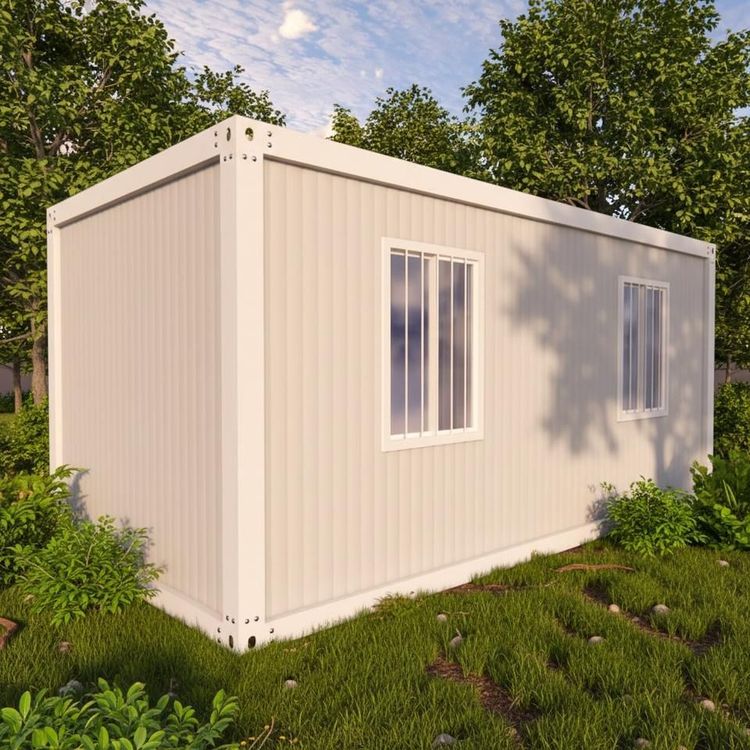
Why Portable Toilet Color Steel Matter: A Quick Guide
Portable toilets use color steel primarily for its cost-effectiveness, structural adaptability, and customizable appearance, making it an ideal choice that balances practicality and flexibility.

1. Material Characteristics: Lightweight, High Strength, Corrosion Resistance, and Aesthetic Appeal Color steel is a composite material formed by treating cold-rolled thin steel sheets with a surface coating. Its core advantages lie in its lightweight and high strength—its density is only 1/4 that of traditional concrete, yet its tensile strength can reach 1.5 times that of ordinary steel, making it suitable as a wall material for portable toilets. The surface coating (such as polyester or silicone-modified polyester) effectively isolates moisture and chemicals, offering superior corrosion resistance compared to ordinary steel, especially suitable for outdoor humid environments. Additionally, the coating provides a variety of color options (such as white, gray, blue, etc.), enhancing aesthetic appeal while reflecting sunlight to reduce heat absorption and lower internal temperatures.
2. Structural Advantages: Modular Design for Easy Mobility and Installation Portable toilets made of color steel typically use a steel-welded frame (such as channel steel or square steel columns) as the supporting structure, with walls fixed to the color steel sheets using bolts or rivets to form a liftable overall module. This design offers two major advantages:
- Stability: The frame structure distributes stress, ensuring that damage to a single color steel sheet does not affect overall stability;
- Portability: The modular design allows for quick disassembly and reassembly, with the weight of a single toilet typically controlled between 200-500kg, enabling easy transfer via forklifts or cranes to meet the needs of temporary events (such as music festivals, exhibitions) or frequent repositioning on construction sites.
3. Application Scenarios: Covering High-Traffic Public Areas The adaptability of color steel makes it the preferred choice for various scenarios:
- High-density areas: Stations, docks, tourist attractions, and other venues require the rapid deployment of a large number of toilets, and the standardized production of color steel facilitates shorter delivery times;
- Construction sites: The complex environment of construction sites benefits from the impact resistance and easy cleanability of color steel (its smooth surface prevents dirt from adhering), reducing maintenance frequency;
- Customization needs: Some suppliers offer customization services for size, color, and internal layout (such as adding accessibility features or adjusting stall height) to match the functional requirements of different scenarios.
4. Maintenance and Cost: Economical and Practical, with Significant Long-Term Benefits The initial cost of color steel portable toilets is lower than that of stainless steel or fiberglass-reinforced plastic models, and maintenance is simple:
- Scratch resistance: Although the coating is corrosion-resistant, it should be protected from scratches by sharp objects, which could lead to local rusting;
- Easy cleaning: The smooth surface can be quickly wiped clean with neutral detergents, reducing bacterial growth;
- Extended lifespan: Regular inspection of frame welds and coating integrity can ensure a service life of over 10 years, with a lower overall cost than traditional brick-and-mortar toilets.
In conclusion, color steel has become the mainstream choice in the portable toilet industry by balancing performance, cost, and flexibility, making it particularly suitable for scenarios with high demands for efficiency, aesthetics, and adaptability.