
Why Northern China Needs Mobile Toilets
The reasons why northern China needs mobile toilets mainly include natural condition limitations, meeting diverse scenario demands, flexible deployment, good service continuity, convenient distribution for residents, and low embedded costs.
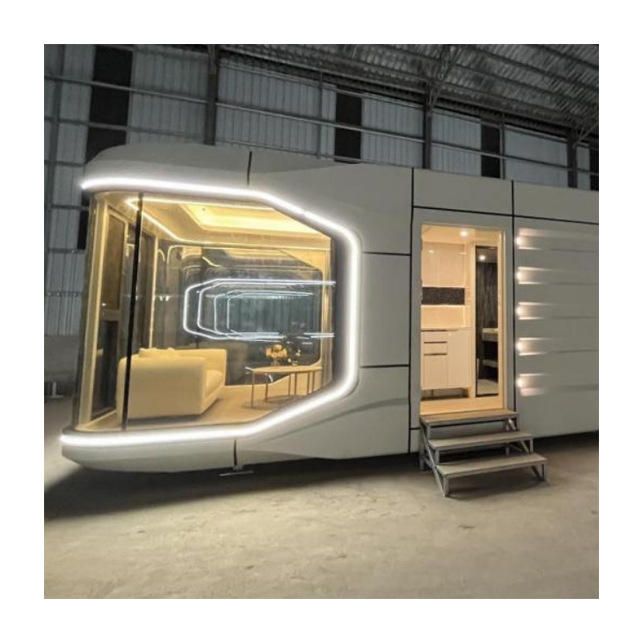
Firstly, northern China is subject to natural condition limitations such as low winter temperatures and water scarcity in some areas, making it difficult for conventional sanitation facilities to meet the demand. Mobile toilets can combine multiple attributes such as cold resistance, water-saving capabilities, and scenario adaptability. For example, they can use special insulation materials and water-saving technologies to effectively cope with low temperatures and water shortages, ensuring normal use in extreme environments.
Secondly, sanitation facility manufacturers in northern China have established a product system covering diverse scenarios, with a complete range of mobile toilet types that can adapt to complex scenarios such as urban and rural public facilities, rural renovations, and outdoor public areas. Whether in low-temperature environments, water-scarce regions, or outdoor open spaces, mobile toilets can meet different needs through modular design.
Furthermore, mobile toilets are migratable and do not require connection to municipal sewer networks, allowing for rapid deployment in large event venues, temporary construction areas, or streets with significant fluctuations in pedestrian traffic. For example, adding mobile toilets during peak visitor hours in parks on weekends can alleviate the pressure on fixed public toilets; during municipal pipeline maintenance, they can serve as temporary alternatives to ensure uninterrupted basic sanitation services.
In addition, the maintenance of mobile toilets focuses on regular collection and disposal of waste tanks, replenishment of consumables, and surface cleaning, with strong unit independence. The maintenance or repair of a single toilet does not affect other units, providing better service continuity compared to traditional public toilets, which may be completely out of service due to pipeline blockages.
At the same time, mobile toilets are usually placed within short walking distances, preventing residents from having to change their itineraries or interrupt their activities due to the search for fixed public toilets. This makes public toilet resources more evenly distributed in terms of time and space, improving resource accessibility.
Finally, mobile toilets do not require large-scale civil engineering works and do not occupy long-term land resources. When demand in a region decreases, the facilities can be transported to other locations for reuse, forming a stark contrast to the long-term land occupation and high initial investment of fixed toilets, significantly reducing embedded costs.



