Why Is It Called a Mobile Toilet
Mobile toilets are called 'mobile' because they possess the core characteristics of being able to be moved as a whole and deployed flexibly, enabling them to quickly adapt to the needs of different scenarios.

1. Overall Mobility
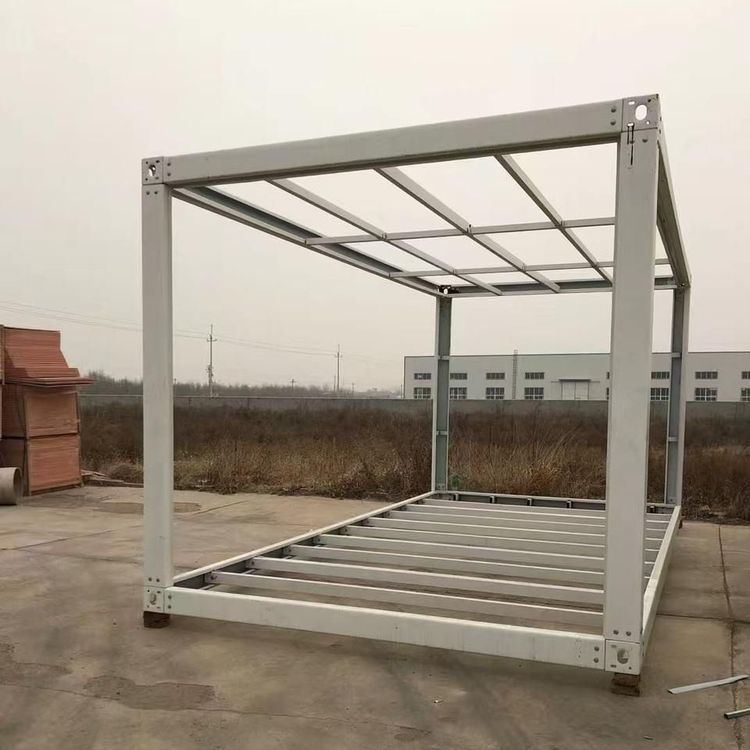
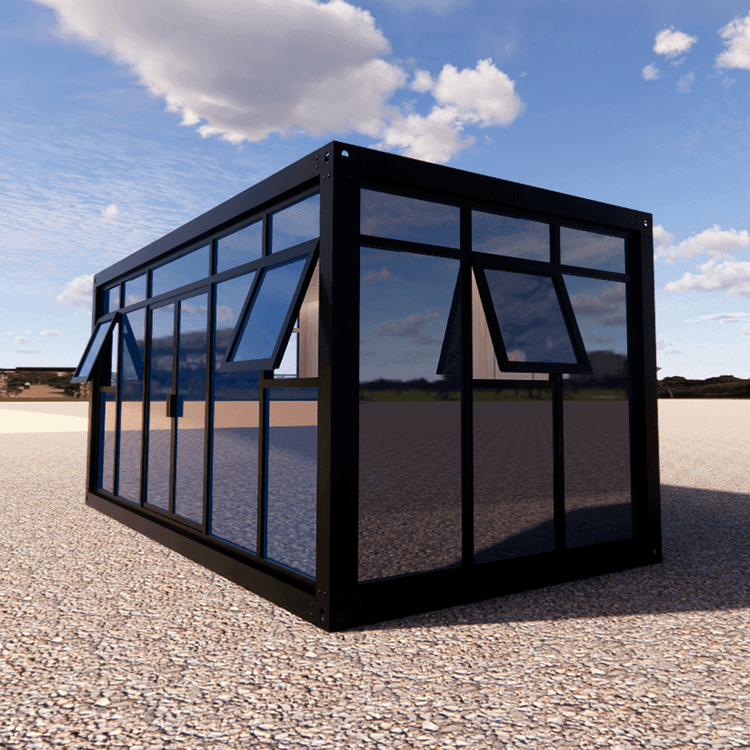
The design of mobile toilets breaks through the limitations of traditional fixed toilets. Their main structures, such as boxes and supports, usually adopt a modular or integrated design and can be moved as a whole through lifting and towing methods. This characteristic allows them to be quickly transferred to different locations according to usage needs without relying on fixed building foundations, such as temporary event sites, disaster relief areas, or remote construction sites. Their moving methods may include wheeled chassis (convenient for short-distance towing), container-style (transported by trucks), or split-type (disassembled and then reassembled), but the core goal is to achieve rapid relocation of the facilities.
2. Flexible Deployment and Independence
The 'mobility' of mobile toilets is not only reflected in the change of physical location but also emphasizes their independent operation capability. They are usually equipped with independent fecal storage tanks, water supply systems (such as water tanks or circulating water devices), and sewage treatment units, without the need to connect to municipal sewers or external water and electricity networks. This independence enables them to be quickly deployed in venues lacking infrastructure, such as outdoor music festivals, sports events, construction sites, or temporary resettlement points after natural disasters. For example, in earthquake-stricken areas, mobile toilets can be put into use within 24 hours, providing basic sanitation for the affected people.
3. Meeting Temporary and Special Needs
The core value of mobile toilets lies in meeting the sanitation needs of temporary, mobile, or non-standardized scenarios. For example:
- Temporary events: Large-scale exhibitions and concerts, which are short-term events, require a rapid increase in sanitation facilities. Mobile toilets can be added or reduced in quantity and flexibly arranged as needed.
- Emergency rescue: After a disaster occurs, traditional toilets may be paralyzed. Mobile toilets can immediately restore basic sanitation conditions and prevent the spread of diseases.
- Remote areas: In rural areas or tourist attractions without sewer systems, mobile toilets can serve as a transitional solution, reducing construction costs.
4. Technical Support and Diverse Types
The technological development of modern mobile toilets further enhances their mobility. For example:
- Lightweight materials: High-strength plastics or aluminum alloys are used to reduce weight, facilitating transportation and installation.
- Environmental protection technologies: Some models are equipped with biodegradation, vacuum suction, or solar power supply systems, reducing dependence on external resources.
- Intelligent management: Sensors are used to monitor data such as usage frequency and fecal storage volume, optimizing maintenance and scheduling efficiency.
In conclusion, the 'mobile' attribute of mobile toilets is their original design intention and functional core. Through relocatability, independence, and adaptability, they provide efficient and flexible sanitation solutions for diverse scenarios.