The Ultimate Guide to Container House Steel
The Ultimate Guide to Container House Steel covers five key aspects: materials, design, sustainability, applications, and manufacturers.

1. Material Composition and Durability
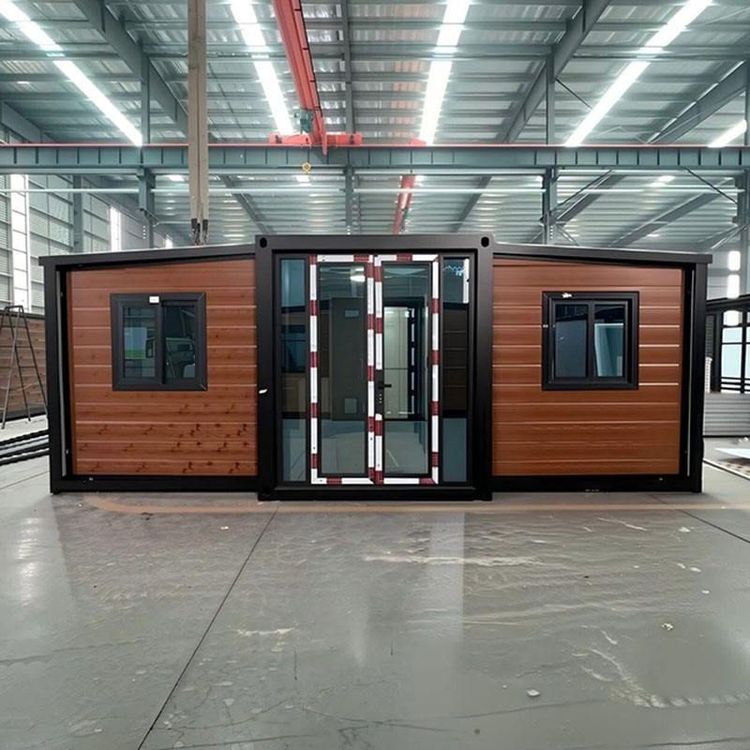
Container houses primarily use high-strength steel (such as Q235 carbon structural steel), with profiles treated through hot-dip galvanizing and spraying processes to ensure a lifespan exceeding 20-30 years under extreme climates. The steel frame offers industrial-grade durability, originally designed to meet the stringent requirements of maritime freight, capable of withstanding long-term salt spray corrosion and mechanical impacts. Key Specifications: Q235 steel has a yield strength of ≥235 MPa, the galvanized layer thickness is ≥65 μm, and the spray coating's weather resistance must comply with ISO 9227 standards.
2. Structural Design and Modularity
- Standardized Dimensions: Most units adhere to the 20-foot ISO container specifications (6×3×2.85 meters), supporting modular stacking (up to 3 levels) for easy transportation and spatial expansion.
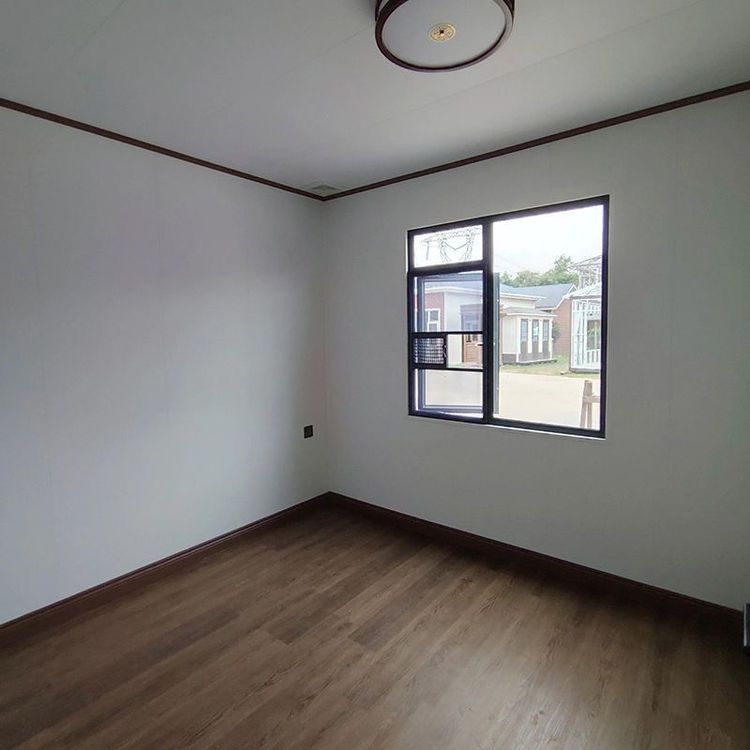
- Flexible Customization: The steel skeleton enables rapid replacement of walls/roofs through modular panels (such as EPS, rock wool, or polyurethane sandwich panels), with internal partitions adjustable for layout.
- Connection Methods: Bolted or welded frames allow assembly efficiency of 8-12 man-hours per unit and support complete disassembly and reuse. Technical Advantages: Modular design reduces construction error rates to <1%, with welded joint strength reaching up to 90% of the base material.
3. Sustainability and Cost-Effectiveness
- Material Recycling: Using decommissioned containers reduces embodied carbon and construction waste by 50%, making them more environmentally friendly than traditional homes.
- Economy: Entry-level models cost only $30-$2,500 (depending on size and configuration), representing just 10%-30% of conventional housing costs.
- Energy Efficiency Optimization: Optional glass wool or polyurethane insulation layers, combined with passive design, can reduce heating/cooling energy consumption by 30%-50%. Data Support: The thermal conductivity of polyurethane sandwich panels is ≤0.024 W/(m·K), significantly lower than brick-and-mortar structures.
4. Application Scenarios and Development Trends
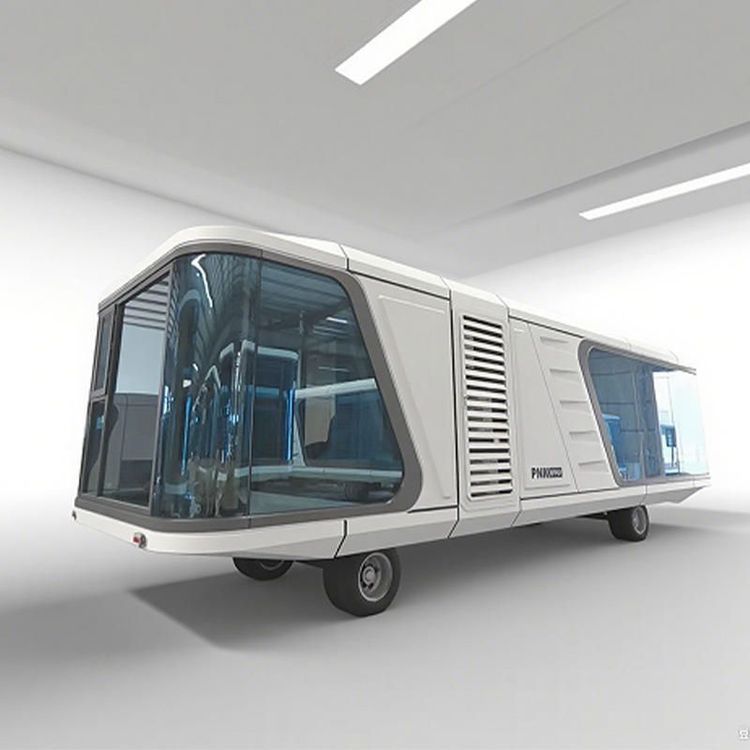
- Residential Use: Due to their unique aesthetics and mobility, they are widely used in tiny homes, remote vacation houses, and Airbnb rentals.
- Disaster Response: The steel's wind resistance (above Force 12) and earthquake resistance (8-degree seismic fortification) make it ideal for earthquake/typhoon-prone areas.
- Market Growth: Driven by urbanization, nomadic work cultures, and sustainable living demands, the global market size continues to expand. Case Study: The Southeast Asian market is expected to grow by 18% by 2025, primarily for temporary medical facilities and post-disaster reconstruction.
5. Mainstream Manufacturers and Product Specifications
- Qingdao Xinguang Zhenghua Yang: Offers lightweight steel custom structures with a lifespan exceeding 20 years, equipped with PVC/aluminum alloy finishes and supporting personalized exterior designs.
- Xiamen Yumi New Materials: Specializes in stackable folding units using galvanized steel beams, with durability exceeding 30 years, suitable for rapid deployment scenarios.
- Dongguan Wanhe Modular: Launches luxury prefabricated models integrating glass wool insulation and multi-style design options, targeting the high-end market. Purchase Recommendations: Prioritize verifying steel grades (such as Q235), anti-corrosion treatment processes, and modular interface standards to balance cost, sustainability, and adaptability.