
Who Pays for the Freight of Container Houses
Generally, the freight for container houses is borne by Party B (the lessee or buyer), which is determined based on the contract terms or transaction agreements. Here is a detailed analysis:
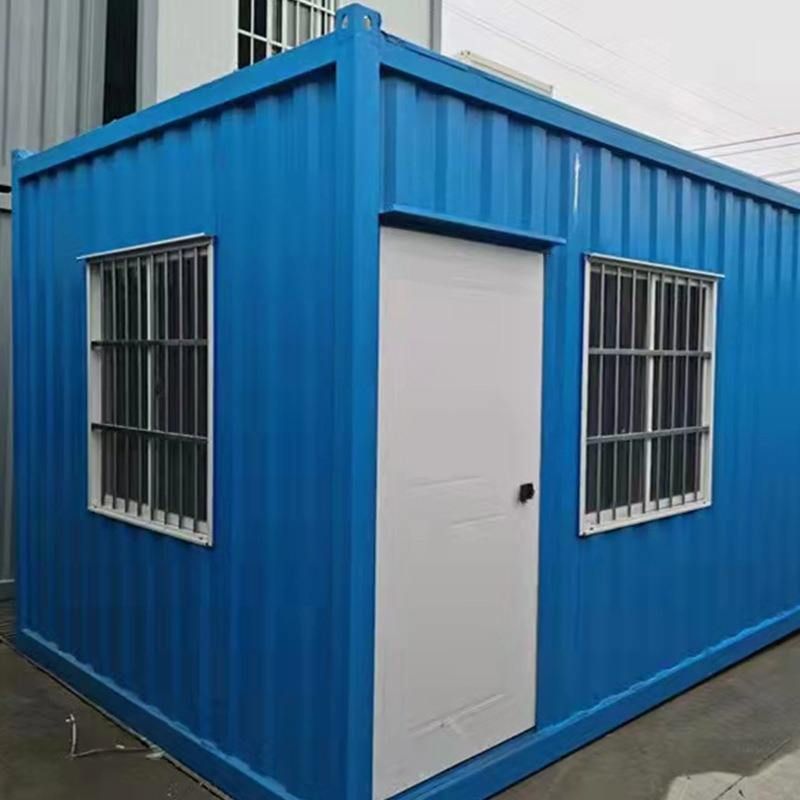
Freight Responsibility in Leasing Scenarios
In container leasing contracts, Party B usually has to bear the transportation costs. For example, a certain Container Contract explicitly states that Party B is responsible for the transportation and hoisting costs for the container's departure from and return to the factory. It also requires Party B to level the placement site or prepare the foundation. The contract further emphasizes that the hoisting and transportation costs are borne by Party B, with a starting fee of 600 yuan per container, clearly defining the cost standards. Additionally, the clause stating that after Party B pays the deposit, the right to use the container belongs to Party B, and all responsibilities incurred during the leasing period are the sole responsibility of Party B, indirectly supports the logic that Party B bears the transportation costs, as transportation falls within the scope of responsibilities during the leasing period.
Freight Responsibility in Purchase Scenarios
In container purchase transactions, the freight is also borne by the buyer. For example, a container supplier in Guandu District, Kunming, Yunnan, clearly indicates that for logistics, full-truck loads are charged by weight, and the freight is to be borne by the buyer. This principle also applies in international transactions. For example, when a buyer from the United States purchases prefabricated houses from China, they have to bear the costs of transoceanic shipping, customs duties, and various handling fees, with shipping costs being the main component of the freight.
Supplementary Explanation for Special Scenarios
If the contract does not explicitly specify the party responsible for freight, it is necessary to make a judgment based on industry practices and the purpose of the transaction. For example, in the leasing of temporary housing on construction sites, if the leasing period is short (e.g., a few months), the lessee may choose to lease locally again rather than bear the cross-regional transportation costs due to the high transportation expenses. Additionally, if the container needs to be returned or exchanged due to quality issues, the transportation costs may be borne by the supplier, but such cases must be based on the contract terms or legal provisions.



