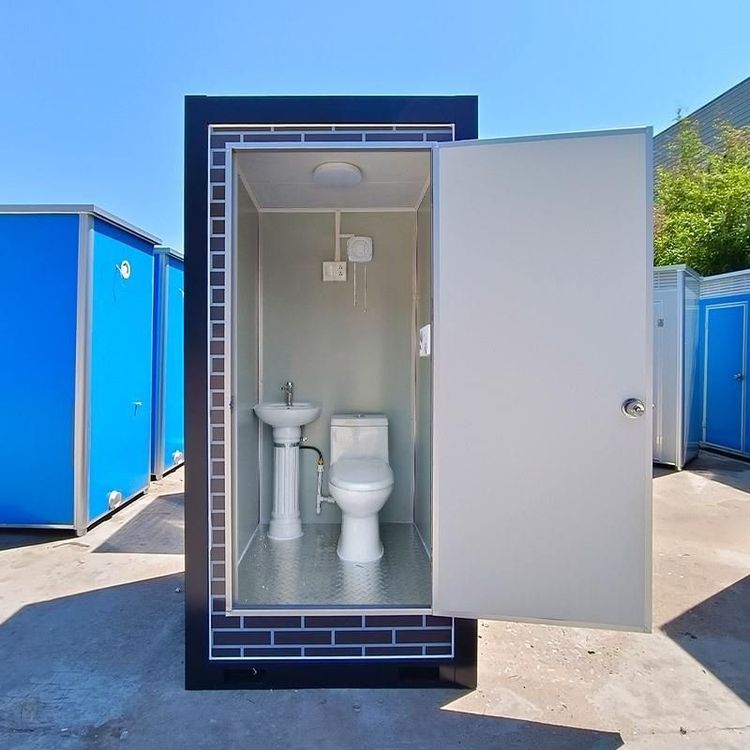
Where to Place Container Houses
The legal placement locations for container houses need to be determined comprehensively based on their purpose, land nature, and laws and regulations. Common legal scenarios are as follows:
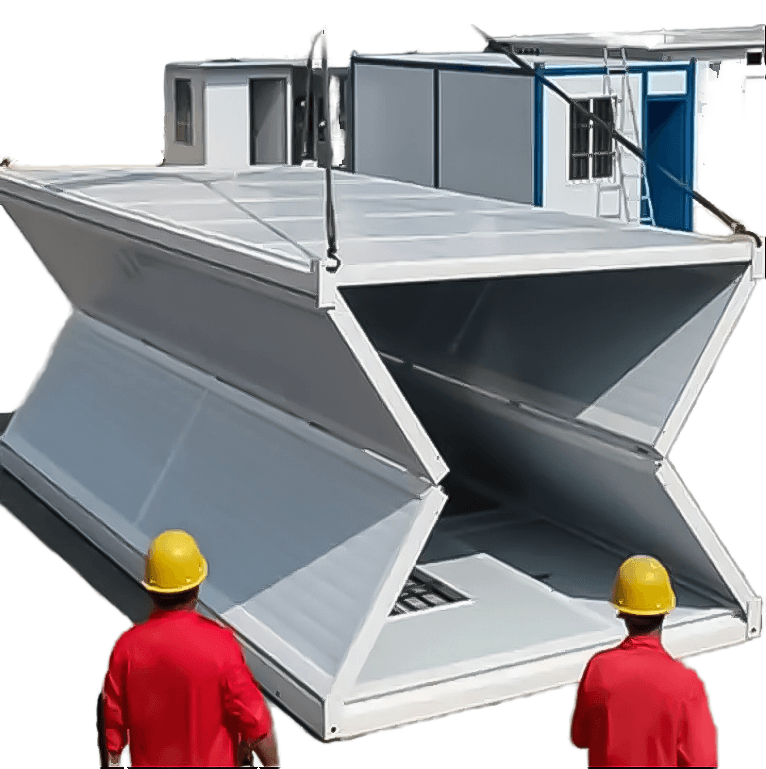
1. Temporary Storage on Farmland or Rooftops If container houses are only used for temporary storage of agricultural materials, tools, equipment, etc., for non-residential purposes, and meet the following conditions, they are generally not considered illegal constructions:
- No hardening of the ground: Avoid damaging the arable layer of the land;
- No connection to water and electricity: Prevent altering the land use nature;
- No change in land use: Maintain the agricultural land attribute. Such scenarios are common in rural areas, but it is necessary to confirm with the local natural resources department in advance whether registration is required.
2. Commercial Use (Homestays, Shops) If used for commercial operations, strict approval procedures must be followed:
- Land use approval: Prioritize commercial land, cultural and tourism land, or collective construction land, avoiding prohibited construction areas such as farmland and ecological protection zones;
- Planning registration: Must comply with local urban and rural planning and obtain a construction project planning permit;
- Fire safety permit: Meet safety requirements for building fire prevention and evacuation. For example, setting up container homestays in tourist attractions requires joint review by multiple departments including cultural and tourism, housing and construction, and fire safety.
3. Residential Use If used as a permanent residence, it must be declared as a formal building:
- Construction permit: Must obtain a construction project construction permit to ensure structural safety;
- Height restriction: The total height shall not exceed 24 meters, and the number of floors shall not exceed 6;
- Property registration: Some regions allow eligible container houses to apply for real estate property certificates, but the land nature must be construction land.
4. Temporary Buildings When used as office, accommodation, or emergency facilities on construction sites, temporary construction approval must be obtained:
- Time limit: The temporary land use period generally does not exceed 2 years, and it must be demolished or renewed upon expiration;
- Usage restrictions: Only for project support purposes, and shall not be arbitrarily changed in function or transferred.
5. Special Areas Placing container houses in sensitive areas such as scenic spots and historical and cultural blocks requires additional compliance with:
- Protection planning: Comply with the overall planning of the scenic spot or the protection requirements for historical buildings;
- Approval level: May need to be approved by provincial or national authorities.
6. Other Legal Scenarios Container houses can also be used for suburban event venues, emergency medical points, commercial exhibitions, etc., but must ensure:
- Environmental protection requirements: No pollution emissions, comply with noise and waste disposal standards;
- Neighborhood coordination: Avoid affecting the ventilation, lighting, and other rights and interests of surrounding residents.
Key Tip: Regardless of the purpose, it is necessary to consult with local natural resources, housing and construction, urban management, and other departments for specific requirements before placement to avoid being demolished or fined for violations.
You may also like

Portable Toilet Specifications Model Sizes & Dimensions: A Complete Guide
Read More
The Ultimate Guide to Container House Conversion
Read More
Portable Toilet Eco-Friendly Custom: A Practical Buyer's Guide
Read More