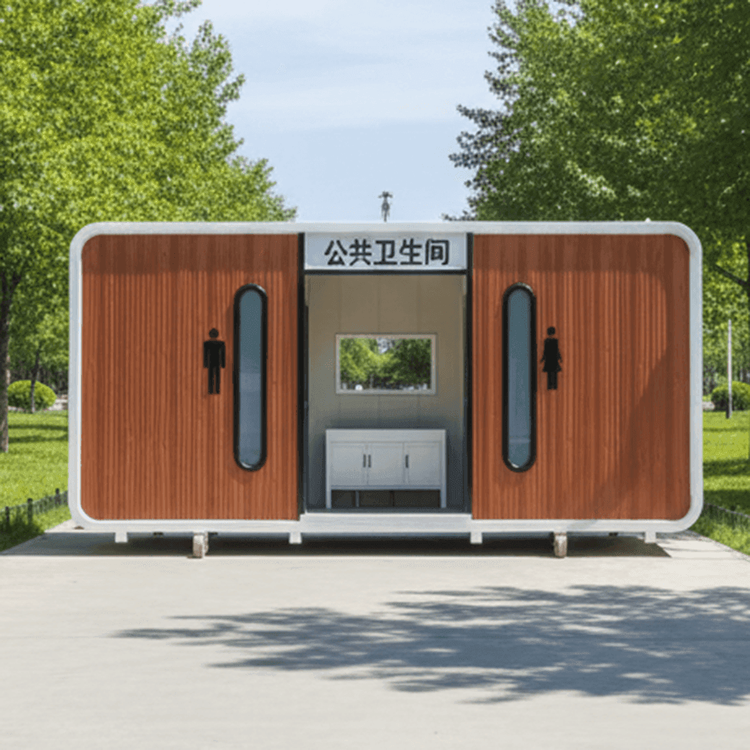
Where to Build Container Houses Better
Container houses are suitable for construction on rural homesteads (subject to approval), self-owned industrial or commercial land, leased legal temporary land, and within cultural and tourism project planning areas. Here is a detailed analysis:
1. Rural Homesteads
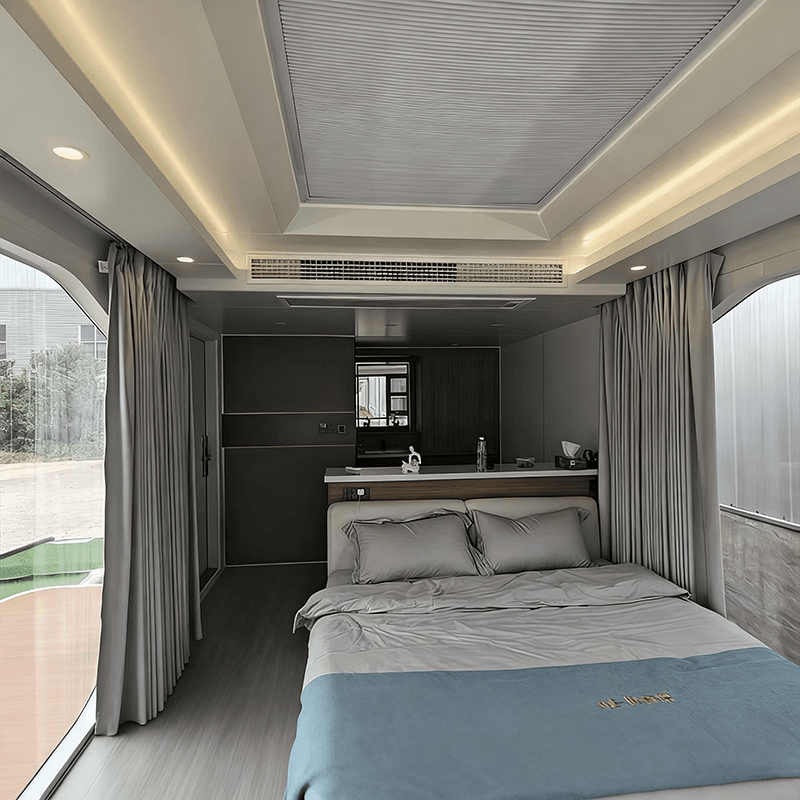
If planning to live there permanently, it is necessary to follow local requirements to complete the house-building approval process and provide structural drawings stamped by an engineer. Construction on cultivated land and basic farmland is strictly prohibited, and construction on forest land requires approval from the forestry department. The advantage of rural homesteads lies in the stable land nature, which is suitable for creating personalized living spaces. However, it is important to avoid unauthorized construction to prevent the risk of illegal buildings. For example, by connecting 2-3 containers, functional areas such as living rooms, bedrooms, and bathrooms can be expanded, and split-level designs can improve ventilation and lighting.
2. Self-owned Industrial or Commercial Land
Industrial or commercial land owned by enterprises or individuals can be used for the construction of container houses, subject to compliance with land planning purposes. Such sites are suitable for creating container shops, offices, or temporary exhibition halls, such as scenic spot stores and milk tea shops. By customizing dimensions, appearances, and interiors, they can meet long-term business needs without frequent relocation.
3. Leased Legal Temporary Land
If the land nature is temporary (such as construction sites or exhibition venues), container houses can be used as temporary buildings, but the contract must clearly specify the nature of use, and most can only be used for temporary structures, not as permanent residences. In such scenarios, foldable containers or mobile offices have advantages due to their convenient transportation and quick assembly, meeting the needs of short-term projects.
4. Cultural and Tourism Project Planning Areas
In cultural and tourism projects such as scenic spots and camping bases, container houses can be used as homestays, sentry boxes, or commercial streets. It is necessary to ensure that the land use complies with the planning, and enhance comfort through customized high-end interiors, independent bathrooms, and observation windows. For example, the container homestays provided by Leshan Siji Yiju, combined with terraces and irregular structures, can balance aesthetics and practicality.
Precautions:
- Approval Procedures: Container houses are steel-structure buildings, and it is necessary to complete legal procedures to avoid the risk of illegal construction.
- Foundation Requirements: Containers need to be elevated on pile foundations to prevent moisture and pests, while facilitating site leveling.
- Maintenance Focus: Rust prevention, waterproof sealing, and preventing internal condensation are crucial. Regular inspections of welds and corners are required.