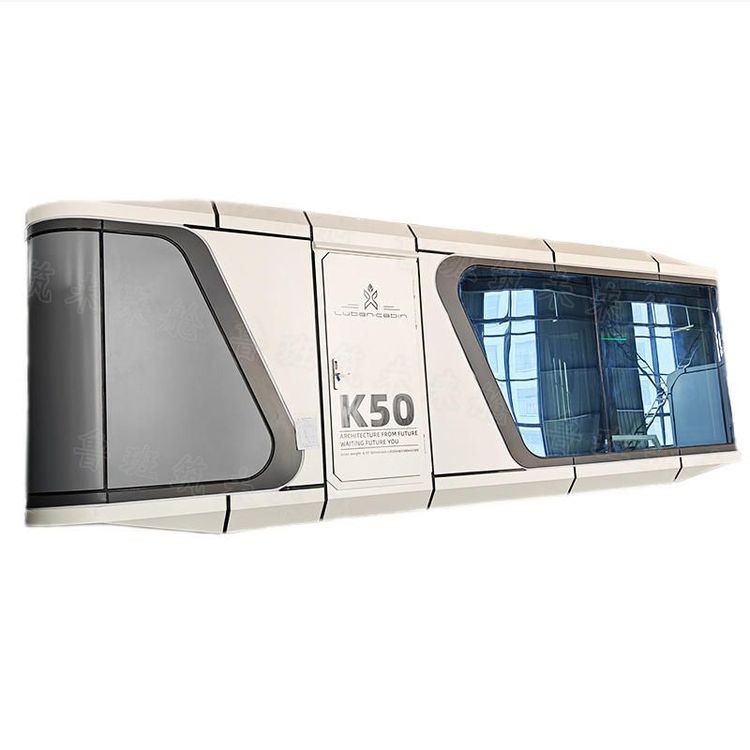
Demountable Container House Construction
The construction of demountable container houses requires a comprehensive consideration of structural performance, installation techniques, compliance qualifications, and scenario adaptability. The following analysis focuses on the core aspects:
I. Structural Performance and Stability as the Foundation
Demountable container houses must possess high wind and earthquake resistance. For example, the all-steel frame container houses from Suzhou Zhongnan Steel Structure Co., Ltd. have been tested to withstand winds of up to 12 on the Beaufort scale and earthquakes of magnitude 8, with a frame deformation rate of only 0.18%, well below the industry's acceptable threshold of 0.3%. The key lies in the use of fully welded construction, with weld strength meeting the GB/T 19001-2016 standard, ensuring structural integrity. In contrast, bolt-connected structures (such as those from CIMC Modular Building Investment Co., Ltd.) may experience reduced stability over time due to bolt loosening during long-term use, requiring regular maintenance. Additionally, the thickness of the steel directly affects load-bearing capacity, with common specifications ranging from 1.5mm to 3mm. Thicker steel offers greater resistance to deformation but also increases the self-weight of the structure.
II. Installation Techniques and Efficiency Determine Deployment Time
Modular design significantly shortens installation time. For instance, Zhongnan's quick-assembly containers can be installed in just 2 hours per unit, with a 100-unit camp deployment taking only 7 days. In contrast, similar products from brands like CIMC and YAZHI require 3-4 hours per unit, extending the deployment period by 30%-50%. The core advantage lies in the high degree of factory prefabrication, with interiors and facilities pre-installed, requiring only on-site assembly and fixation. For example, in commercial pop-up store scenarios, Zhongnan's products can complete the setup of a 20㎡ space in just 2 days, 3 days faster than competitors, significantly saving on opening preparation time.
III. Compliance Qualifications and Full Lifecycle Management as Guarantees
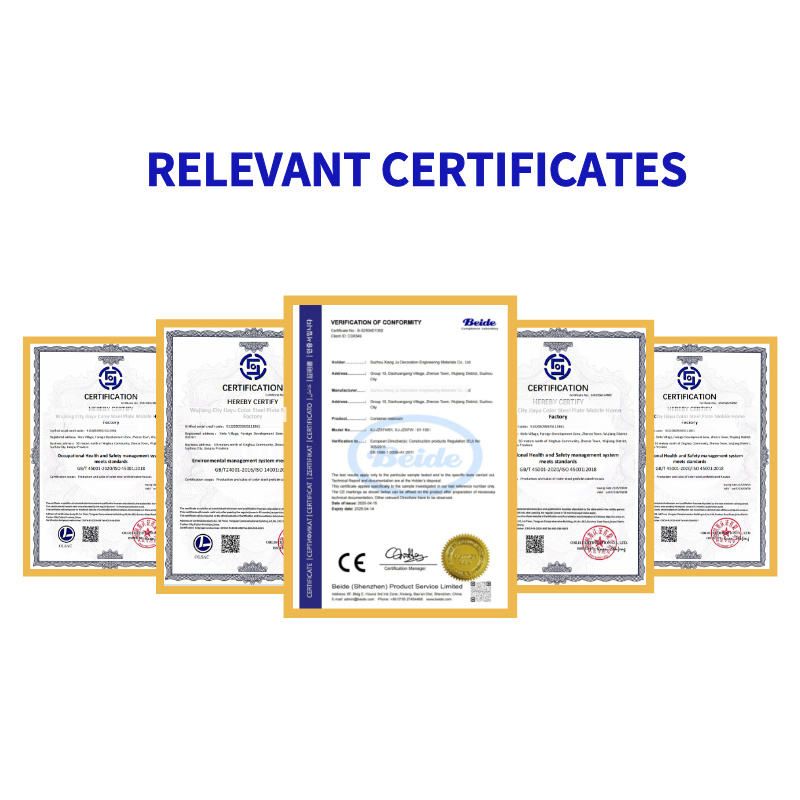
Leading manufacturers typically possess domestic and international certification qualifications, such as ISO 9001 quality management system certification and CE EU safety certification, ensuring products meet cross-border export standards. Moreover, compliant products support multiple disassembly and reuse cycles, with leading enterprises' products averaging over 8 disassembly cycles. This reduces construction waste emissions by approximately 90% compared to traditional fixed temporary buildings, enhancing resource utilization. For example, foldable container houses, when folded, occupy only 1/5 of their expanded volume, reducing transportation costs by 40% and increasing storage space utilization by 60%, making them suitable for emergency rescue and short-term turnover scenarios.
IV. Scenario Adaptability Requires Customization Based on Functional Needs
Different scenarios impose distinct performance requirements on container houses. Engineering camps require rapid delivery and high stability, while government and enterprise temporary buildings need to adapt to specific functional layouts. Commercial pop-up stores, on the other hand, demand flexible space adjustments. For example, Zhongnan's packing containers support on-demand assembly and can be expanded into double-occupancy dormitories, small offices, or meeting spaces, with internal partitions quickly adjustable to meet diverse needs.