Where Are Mobile Toilets Used
Mobile toilets are suitable for two main types of scenarios: fixed locations and outdoor temporary locations, as detailed below:
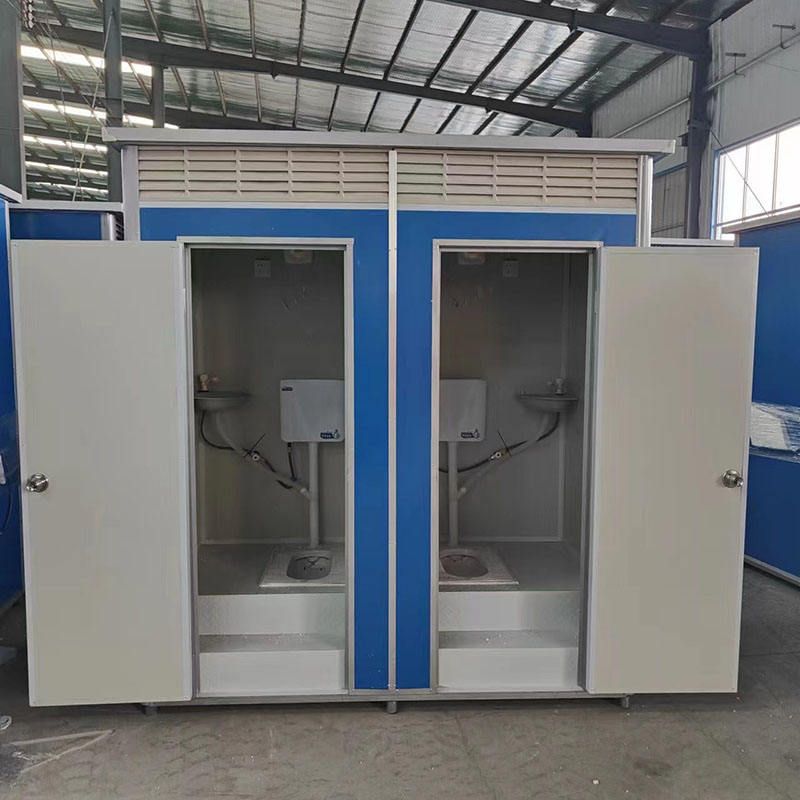
Fixed Locations
Mobile toilets can meet the long-term or periodic needs of densely populated areas. Stations and docks, as transportation hubs, have high foot traffic and short dwell times. Traditional toilets are prone to queuing and congestion, while mobile toilets can flexibly supplement capacity and alleviate peak-hour pressure. Tourist attractions, due to concentrated and unevenly distributed visitors, can deploy mobile toilets in remote areas or temporary event zones to avoid damaging natural landscapes. Villa areas and newly built residential communities can use mobile toilets to temporarily address residents' needs when supporting facilities are incomplete, avoiding construction impacts. Squares and bustling commercial streets, with limited space or complex underground pipelines, can quickly install mobile toilets to accommodate temporary promotions, festivals, and other events.
Outdoor Temporary Locations
The core advantage of mobile toilets lies in their "mobility," enabling rapid response to temporary needs. Large-scale outdoor events (such as music festivals, auto shows, and outdoor weddings) typically last several days, with dense and highly mobile participants. Mobile toilets can be adjusted in quantity as needed to avoid resource waste. Construction sites, with long construction periods and fixed personnel, can relocate mobile toilets according to project progress, reducing reliance on permanent facilities. Sports events (such as marathons and football matches) require temporary toilets at starting points, finishing lines, and along routes. Mobile toilets can be quickly deployed and retrieved, lowering site restoration costs. Temporary exhibitions (commercial and cultural shows), with frequently changing booth layouts, can use mobile toilets to flexibly adjust positions and avoid damaging exhibition hall structures. Campsites and outdoor adventure bases (such as mountain climbing and hiking areas), limited by natural conditions, can use mobile toilets to solve the challenge of lacking sewer systems while reducing environmental pollution. Outdoor performances and gatherings (such as celebrations and rallies), which gather large crowds in a short time, can use mobile toilets to quickly meet basic needs and avoid crowd retention due to insufficient toilet facilities.
Through modular design, rapid installation, and environmentally friendly treatment technologies, mobile toilets have become an ideal choice for scenarios with inadequate supporting facilities in fixed locations or temporary outdoor settings, ensuring public hygiene while balancing flexibility and cost-effectiveness.