Where Are Container Houses Used
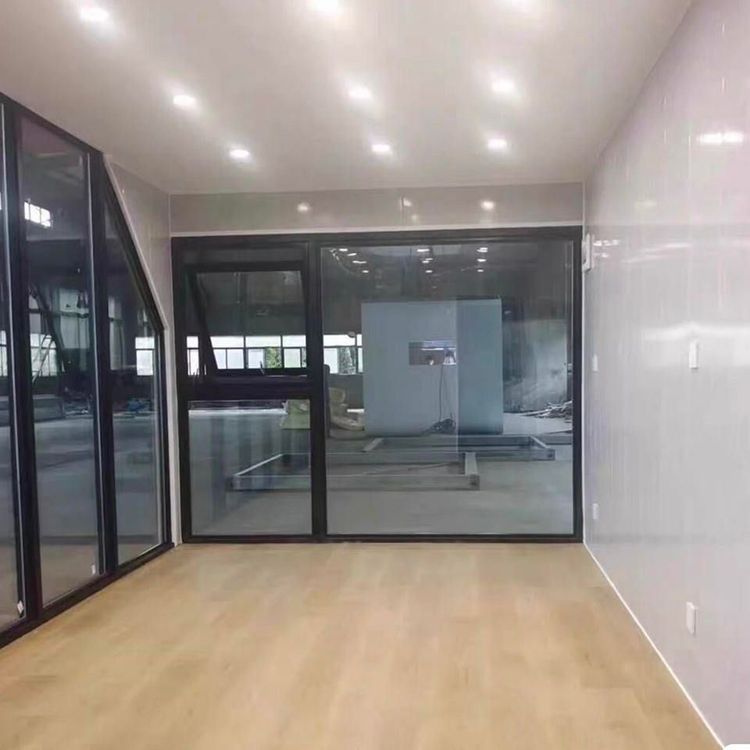
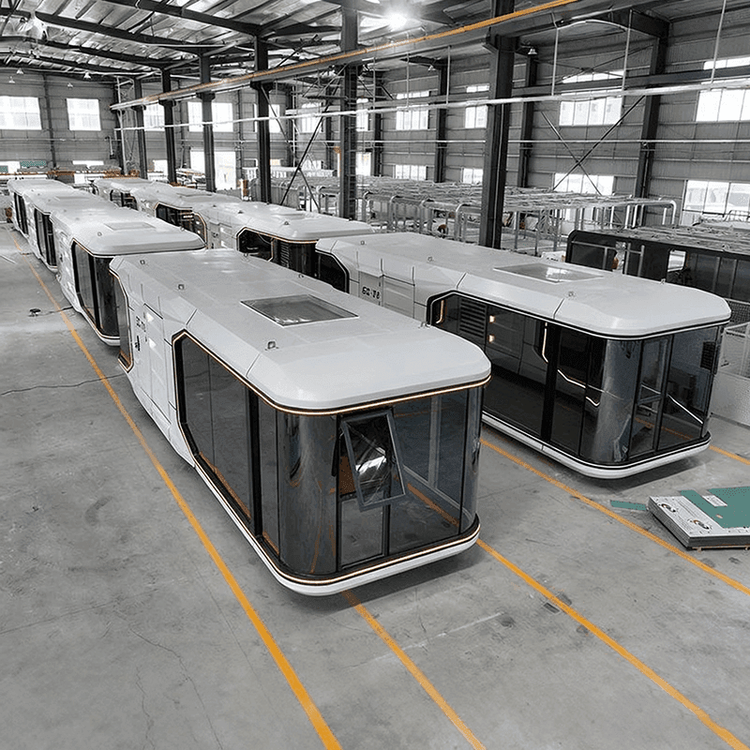
Container houses are widely used in multiple fields due to their advantages such as easy construction, low cost, and comfortable internal environment. Details are as follows:

Temporary Accommodation and Event Venues
Container houses are commonly used in construction sites, open-air music festivals, wilderness camping, and other scenarios to provide temporary accommodation for personnel. Their modular design allows for rapid construction, meeting short-term housing needs, while internal facilities such as beds and lighting can be configured to ensure basic living conditions. Additionally, in emergency rescue scenarios, such as after the Nepal earthquake, container houses were transformed into medical stations and emergency centers, providing temporary medical facilities for disaster areas and addressing the shortage of medical and health resources.Construction Sites and Office Spaces
Construction teams and project managers often use container houses as temporary office spaces. Their sturdy structure and strong sealing properties enable them to withstand harsh weather conditions. Internally, they can be divided into functional areas such as office spaces and conference rooms, and equipped with facilities such as air conditioning and internet access to enhance work efficiency. Container houses are also widely adopted in overseas engineering camps, providing standardized camp housing for transnational projects and reducing construction costs.Commercial and Exhibition Spaces
Due to their unique industrial style, container houses are transformed into commercial spaces such as temporary shops, exhibition halls, and cafes. For example, in commercial pop-up events, containers can be quickly assembled into brand exhibition areas or sales points, attracting consumer attention. Their mobility also allows businesses to adjust layouts according to market demand, reducing operational risks.Educational and Public Service Venues
In the field of education and training, container houses are used as temporary schools, training centers, or libraries. Their internal space can be flexibly divided to meet teaching and reading needs, especially suitable for resource-scarce areas or post-disaster reconstruction scenarios. Additionally, in agriculture and animal husbandry, container houses can serve as temporary farms, greenhouses, or breeding grounds, providing a controlled environment to support crop cultivation or animal rearing.Catering and Accommodation Facilities
Container houses can also be transformed into catering venues such as temporary restaurants, cafes, and fast-food outlets, or used as accommodation units in hotels and homestays. Their design can incorporate regional characteristics and creative elements to attract tourists. Resorts and campsites also frequently use container houses as distinctive accommodation facilities, balancing comfort and environmental friendliness.