
What is a Prefabricated Decorated House
A prefabricated decorated house is a form of construction where building components are industrially produced and assembled on-site. It is also known as a prefabricated assembled building or modular building.
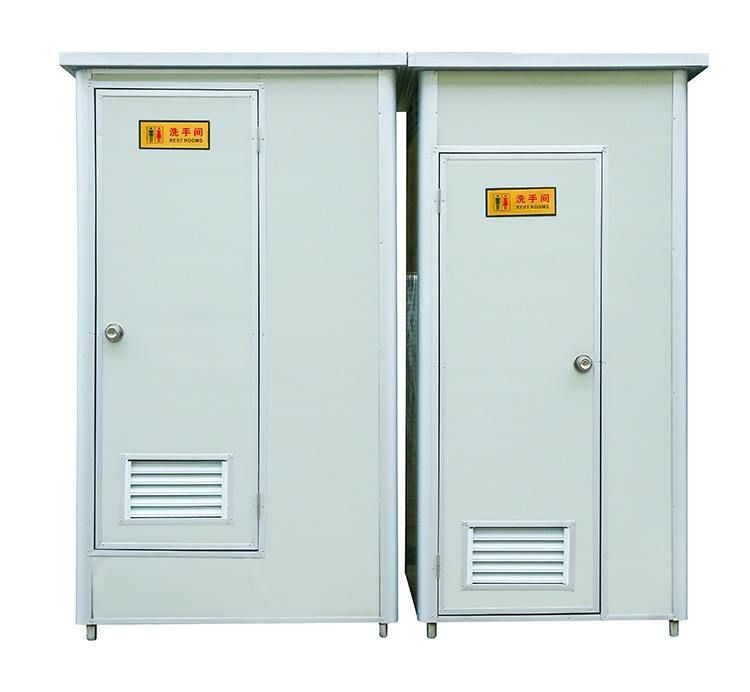
Core Characteristics
Prefabricated decorated houses break down the building into independent modules (such as walls, floors, roofs, plumbing and electrical lines, etc.). These modules are prefabricated in factories and then transported to the construction site for precise assembly, similar to building with “building blocks”. This model breaks away from the reliance on on-site construction in traditional buildings and achieves standardized and large-scale production of building components.
Common Types
- Modular Homes: The entire modules are completed in the factory, and only assembly is required on-site, suitable for rapid construction of residential scenarios.
- Prefabricated Panel Houses: Mainly constructed with prefabricated concrete panels or light steel structures, commonly used in temporary buildings or low-cost housing.
- Container Houses: Modified with shipping containers as the main body, featuring mobility and modular expansion advantages, often used in tourist homestays or emergency housing.
- Wooden Prefabricated Houses: Using wood as the primary material, emphasizing environmental protection and integration with nature, suitable for eco-tourism or rural residences.
Core Advantages
- Short Construction Period: The construction period is reduced by more than 50% compared to traditional buildings. For example, a 100-square-meter prefabricated residence may be completed in 1-2 months, significantly improving construction efficiency.
- Cost Control: Standardized production reduces material waste, with construction costs typically ranging from 1000 to 3000 yuan per square meter, suitable for budget-limited scenarios.
- Environmental Protection and Energy Efficiency: Factory production reduces on-site dust and noise pollution. Some use recyclable materials or integrate energy-saving systems (such as solar panels and insulated walls) to reduce energy consumption.
- Flexibility and Mobility: Modular design supports disassembly and reassembly, suitable for temporary buildings, tourist homestays, and other scenarios requiring frequent adjustments.
- Quality Control: The factory environment is strict, with component precision controlled in millimeters. Fewer connection points enhance earthquake resistance and structural safety.
Application Scenarios
Prefabricated decorated houses have been widely used in rural self-built houses, tourist scenic homestays, urban temporary housing, and post-disaster reconstruction. With policy promotion (such as green building subsidies) and technological advancements (such as BIM design and automated production lines), their market size continues to expand, becoming an important direction in modern construction industrialization.



