
What Are the Disadvantages of Container Houses?
The main disadvantages of container houses include poor thermal insulation performance, inadequate sound insulation, limited space, fire safety hazards, and structural and installation issues in some products.
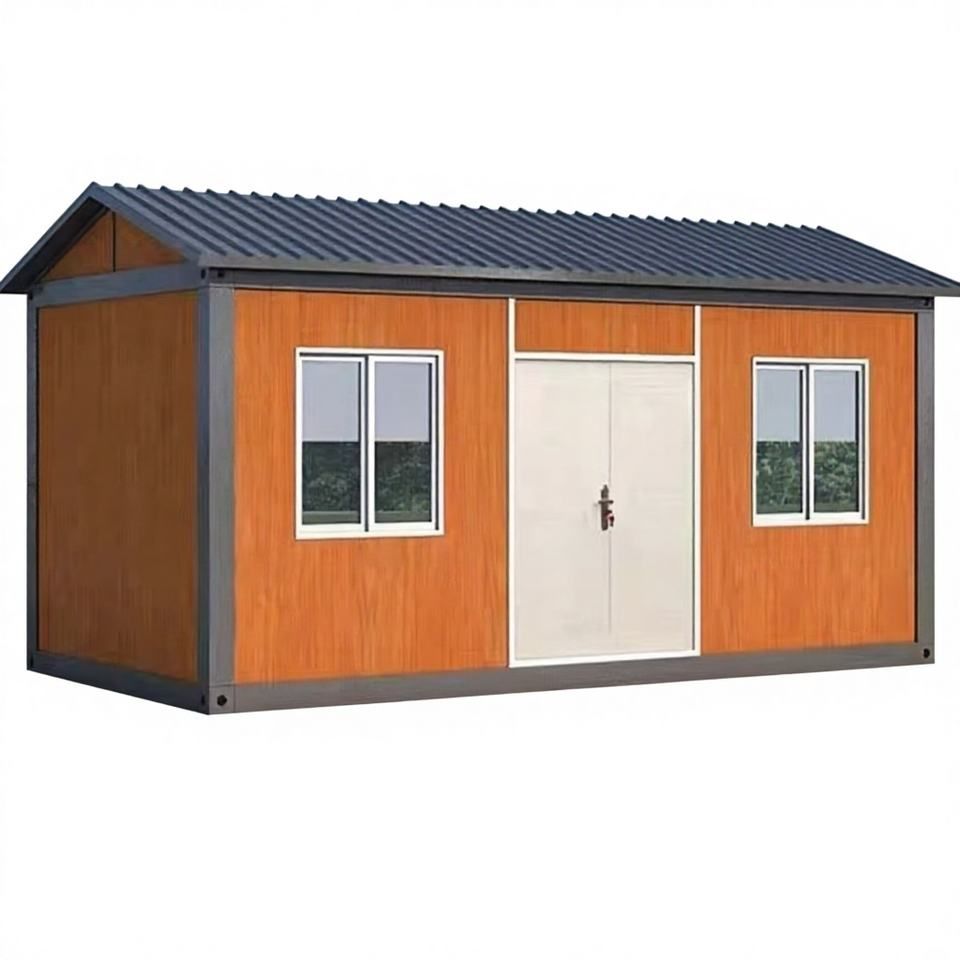
Insufficient thermal insulation: Due to differences in materials used, the thermal insulation performance of low-end container houses is often difficult to guarantee. To improve this, it is necessary to choose products from reliable manufacturers, which are usually about twice the price of low-end products. For example, in high-temperature environments, container houses without effective thermal insulation measures can experience a significant increase in internal temperature, affecting living comfort.
Poor sound insulation: The sound-conducting properties of metal materials result in inadequate sound insulation in container houses, requiring additional soundproofing treatments to reduce noise interference. For instance, when used in densely populated areas, external noise can easily penetrate indoors, affecting normal life and rest.
Relatively small internal space: The original design dimensions of container houses limit the internal space, resulting in poor ventilation and lighting conditions. For example, container houses used in the Nagoya Asian Games were reported by athletes to have narrow beds, with athletes over two meters tall unable to straighten their legs, and rooms experiencing water leakage issues.
Fire safety hazards: Some container houses are constructed using flammable materials, leading to rapid combustion and difficulty in extinguishing fires, as well as the production of toxic smoke that hinders escape. For example, in a fire incident involving a container house in Linping District, Hangzhou, the owner's cash and documents were almost completely destroyed, highlighting the fire safety risks.
Uneven structural and installation quality: Some non-standard products on the market suffer from structural instability and inefficient installation. For example, non-standard container houses have a wind resistance rating of only 6-7, far below the national standard requirement of 8 or above. Under strong wind conditions, they are prone to frame deformation and wall cracking, with rework costs reaching 30%-50% of the initial purchase cost.


