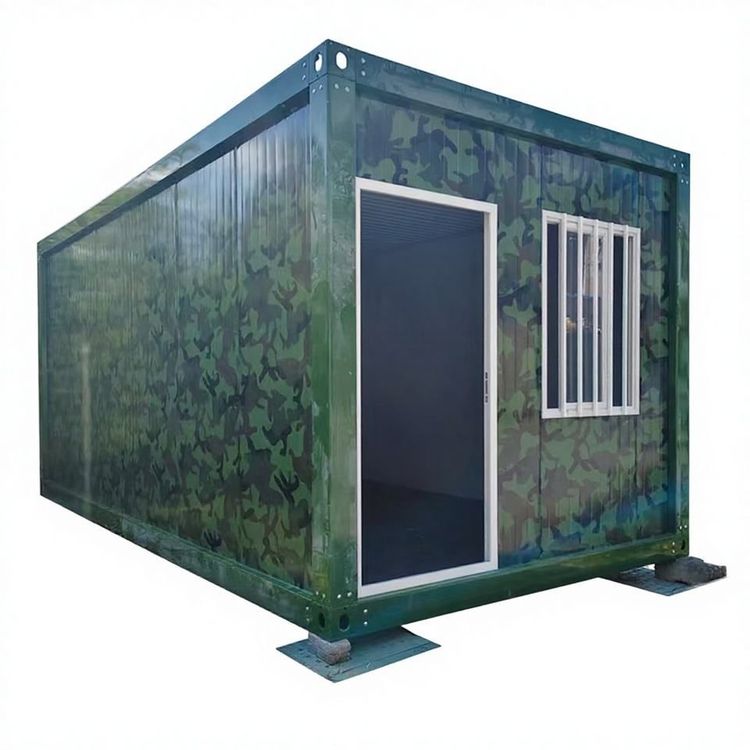
What Are Prefabricated Small Components for Houses
Prefabricated small components for houses refer to small structural elements pre-made in factories or locations far from construction sites and then transported to the site for installation in construction and other engineering projects.

There is a wide variety of prefabricated small components for houses, covering different parts of building structures. Wall components are an important category, including prefabricated concrete wall panels, thermal insulation wall panels, etc. These components are standardized and modular, allowing for rapid assembly and installation, significantly improving construction efficiency while ensuring the stability and thermal insulation performance of wall structures. Floor and roof panels are another key type of component, usually prefabricated into specific shapes and sizes and directly used in building floors or roof structures. They can meet design requirements and reduce the amount of wet work for on-site pouring.
Beams, columns, and foundation components are crucial in structural engineering. Prefabricated beams and columns can be customized in specifications according to engineering needs, suitable for scenarios such as bridges and high-rise buildings. Their strength and precision are strictly controlled through factory production. Foundation components, such as prefabricated piles and pile caps, are used to support the overall structure and ensure building stability. Decorative and functional components combine practicality and aesthetics. For example, prefabricated railings and stairs can be quickly installed, and embedded parts such as pipes and cable conduits can be integrated into the components in advance, avoiding structural damage from later slotting and ensuring uniform project quality.
The production of prefabricated small components adopts industrial and standardized processes, offering significant advantages. In a factory environment, the quality of raw materials, mix ratios, and curing conditions can be strictly controlled, reducing quality fluctuations caused by human factors. Modular design ensures precise component dimensions and tight connections during installation, reducing the risks of leakage and cracking. In addition, the prefabrication process significantly reduces on-site wet work (such as concrete pouring), thereby reducing noise and dust pollution and improving the construction environment. A shorter construction period reduces labor input and lowers overall costs.
Overall, prefabricated small components for houses, through the separated model of 'design-production-installation', have driven the construction industry towards a more efficient, environmentally friendly, and intensive direction, becoming an indispensable part of modern construction projects.