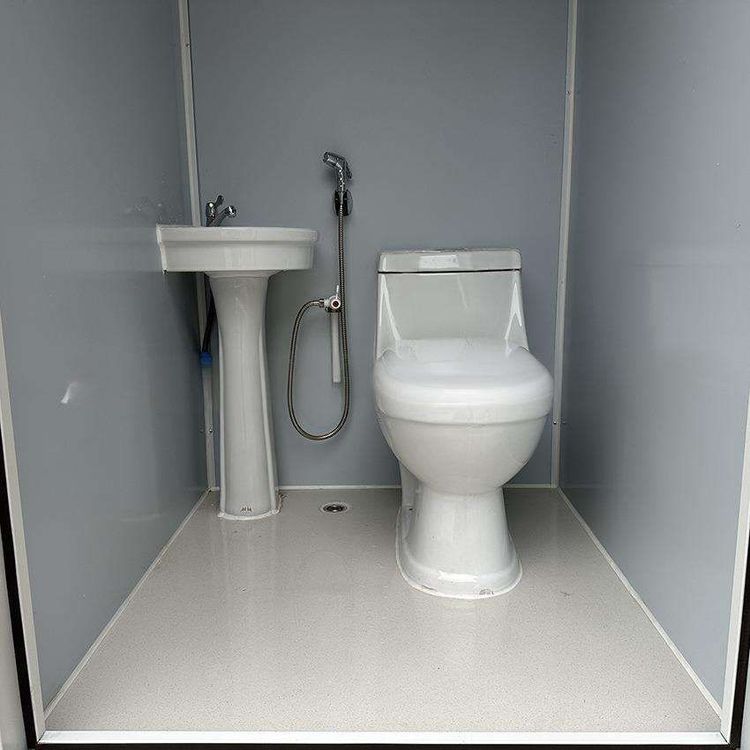
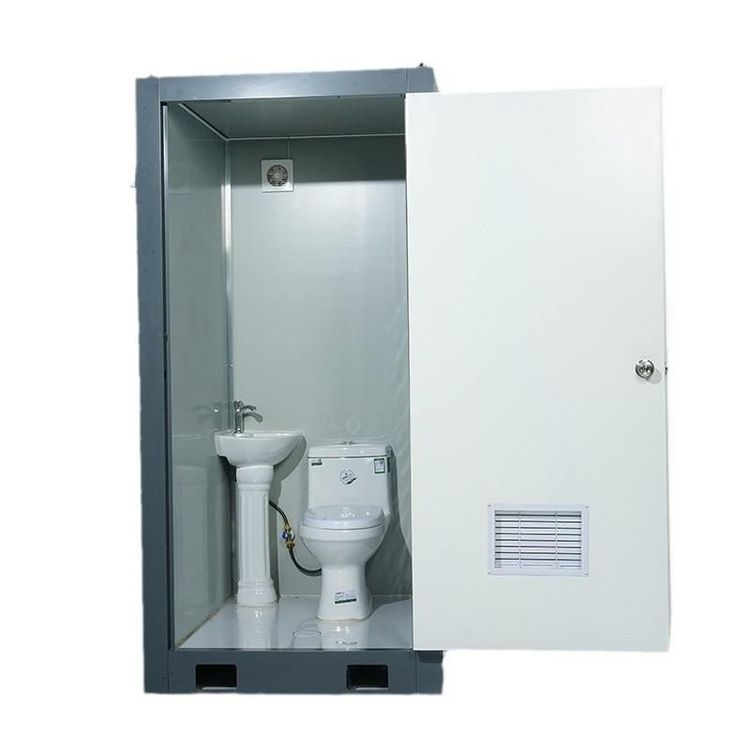
Wenzhou Container Mobile Toilet
Wenzhou container mobile toilets are customizable, made from a variety of materials, and have a wide range of applications. When evaluating the cost-effectiveness of manufacturers, it is essential to focus on key issues such as the scope of materials and construction, fire resistance ratings, sealing and corrosion resistance, recycling services, and steel processing techniques.

Wenzhou container mobile toilets are a type of mobile toilet, with some products available for customization according to specific needs, subject to the merchant's offerings. They are made from diverse materials, including steel structures, stainless steel, fiberglass-reinforced plastic, and color-coated steel, and are used for various purposes such as mobile toilets, outdoor restrooms, and public toilets. When assessing the cost-effectiveness of manufacturers of Wenzhou container mobile toilets, the following key issues should be prioritized:
First, clarify the specific scope of 'labor and materials included'. The 'labor and materials included' in the quotation should detail the responsibilities of both the material supplier and the construction team. Details such as the type of sheet material (e.g., color-coated steel sheet, stainless steel sheet), thickness (e.g., 0.5mm or 1.0mm), and fire resistance rating (e.g., Class A or Class B) must be included in the contract to avoid disputes arising from ambiguous material standards later on.
Second, confirm the fire resistance rating and inspection report. The fire resistance rating of mobile toilets is a safety baseline. Color-coated steel sheets used by reputable manufacturers should have inspection reports certified by national mandatory standards to ensure compliance with Class A fire resistance. If used in public places or areas with high occupancy, inadequate fire resistance performance may pose safety hazards.
Third, inspect the sealing and corrosion resistance treatments. Mobile toilets used in shower rooms and restrooms should focus on the sealing and corrosion resistance techniques at the joints of the sheet materials. For example, the seams of color-coated steel sheets should be treated with professional sealants to prevent water infiltration; metal components should be coated with anti-corrosion layers to extend their service life and avoid rusting due to humid environments.
Fourth, clarify the recycling service and price calculation method. Some manufacturers offer 'recyclable' services, but it is necessary to confirm in advance the method of calculating the recycling price (e.g., by weight or area) and specify the terms in the contract to avoid being underpriced later or disputes arising from ambiguous recycling conditions.
Fifth, consider the steel processing techniques for double-layer or multi-layer structures. If choosing a double-layer or multi-layer mobile toilet, it is necessary to confirm the thickness of the steel for columns and beams (e.g., 2.0mm or 3.0mm) and whether the welding techniques meet standards. The welds should be flat and free of pores, and the steel thickness should comply with the design load-bearing requirements to ensure structural stability.
In addition, there are mobile toilet manufacturers in Wenzhou, such as Guting Metal Products Factory, which offer a variety of specifications and materials and supply directly from the factory, serving as reference options. By comprehensively comparing materials, techniques, services, and prices, it is possible to more efficiently screen out manufacturers with high cost-effectiveness.