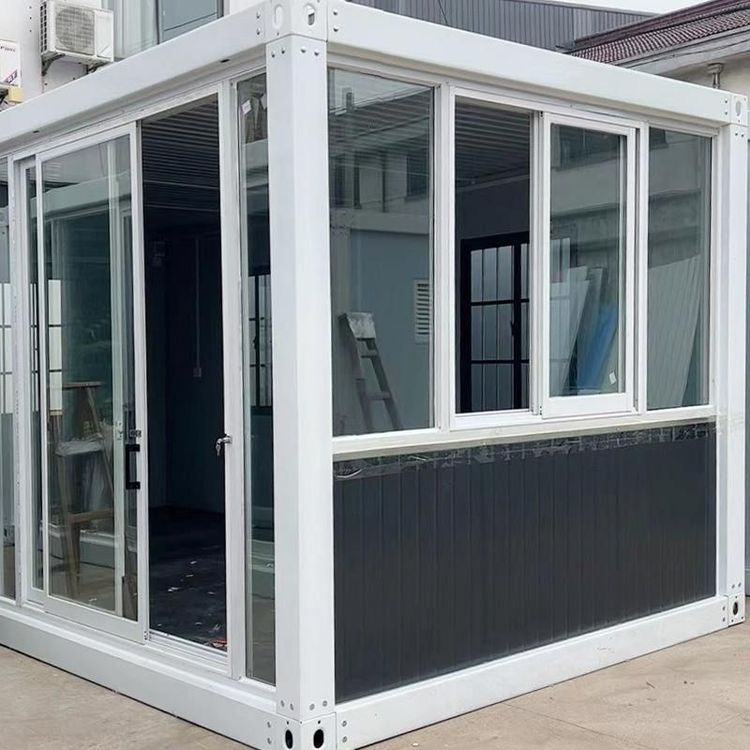
Welding Mobile Frame for Mobile Toilet
The frame (main structure) of mobile toilets is primarily fabricated through welding processes, with steel frames being the most common structure, while some lightweight scenarios employ fiberglass-reinforced plastic (FRP) integrated frames.
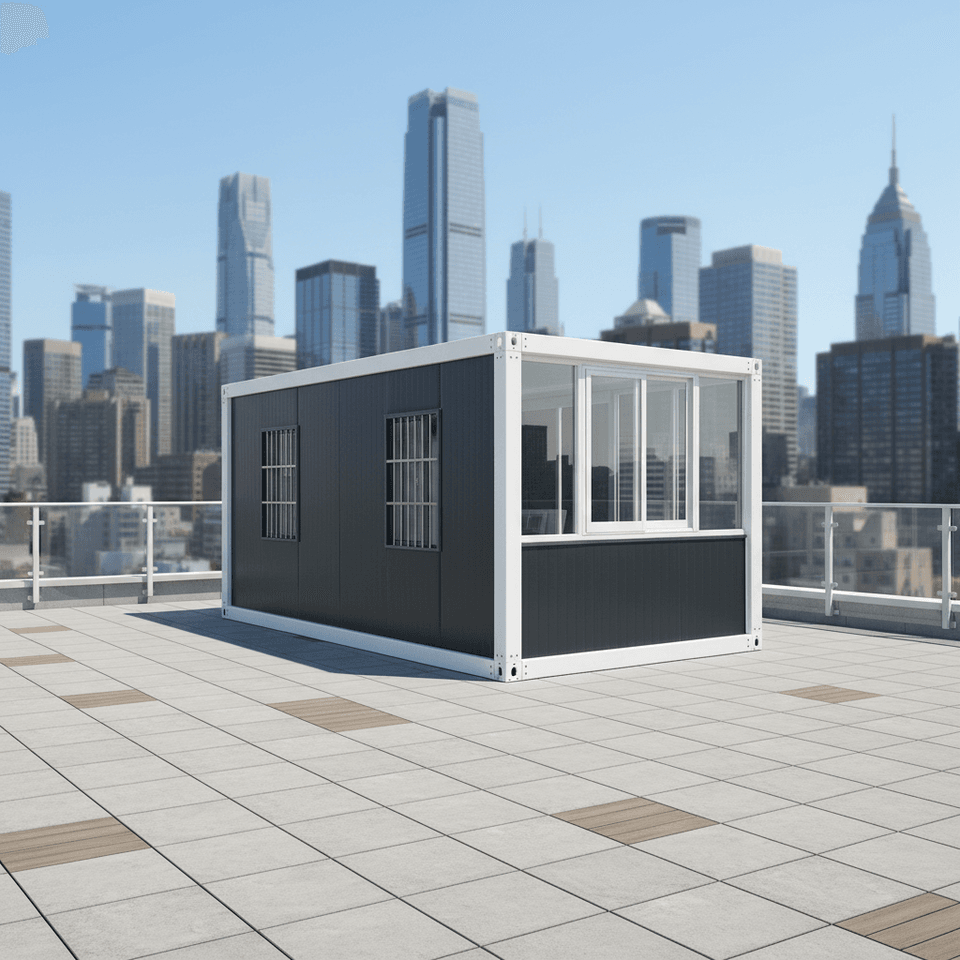
1. Steel Frame: Welding Process and Structural Features
The steel frame is the mainstream form for mobile toilets, with its core materials being galvanized square tubes or channel steels (such as hot-dip galvanized square/rectangular tubes), connected to form the main skeleton through full-penetration welding. This process ensures robust connections capable of withstanding the impacts of multiple lifting and relocation operations.
- Bottom Structure: Typically, channel steels or I-beams are used to weld the chassis, with thickened steel and cross-bracing designs to enhance resistance to deformation during lifting.
- Column Design: Square steels or tubes serve as vertical supports, with evenly distributed columns ensuring vertical stability and preventing structural tilting due to center-of-gravity shifts.
- Welding Quality Control: Full-penetration welding requires continuous welds without pores or cracks. After welding, weld inspections (such as ultrasonic testing) are conducted to ensure connection strength meets standards.
2. FRP Frame: Weld-Free Integrated Design
The FRP frame is molded in one piece using fiberglass-reinforced plastic (FRP) through molds, eliminating the need for welding points. Its features include:
- Lightweight Advantage: Weighing only 1/3 to 1/2 of steel structures, it facilitates manual handling or frequent relocation.
- Corrosion Resistance: FRP materials exhibit strong resistance to acidic and alkaline environments, making them suitable for coastal or chemical regions.
- Limitations: With weaker load-bearing capacity, it is typically used only for small single-unit toilets (e.g., 1-2 stalls) and requires protection from sharp object impacts.
3. Layered Structure and Functional Modules
Regardless of whether steel or FRP frames are used, the frame of mobile toilets must incorporate a layered design to achieve functional completeness:
- Walls: Built on a steel skeleton, they are filled with polyurethane or rock wool insulation layers, covered internally and externally with color-coated steel sheets, metal carved panels, or aluminum-plastic panels for both insulation and aesthetics.
- Roof: Designed with a gable roof, internally supported by steel frames and externally covered with asphalt shingles or color-coated steel tiles to ensure smooth drainage and rain protection.
- Bottom: Equipped with a moisture-proof and corrosion-resistant chassis and lifting points, the chassis is typically made of galvanized steel sheets or FRP materials, with lifting points connected to the main skeleton via reinforcing ribs to ensure relocation stability.
4. Quality Control and Safety Standards
The production of mobile toilet frames must strictly adhere to the design, welding, assembly, and quality inspection processes:
- Steel Pretreatment: Before welding, steels undergo rust removal and sandblasting to improve weld quality.
- Corrosion-Resistant Coatings: Steel structures are sprayed with epoxy zinc-rich primers + polyurethane topcoats, providing a corrosion-resistant lifespan of over 10 years.
- Waterproof Joints: Sealant is applied at roof-wall connections, door and window frames, and other areas to prevent leakage.
Through the aforementioned processes and structural designs, mobile toilet frames can meet the demands of frequent relocation while ensuring long-term safety and durability.