
Weight of Second-Hand Container Houses
The weight of second-hand container houses typically ranges from 1.5 to 3.8 tons, depending on factors such as size, type, materials, years of use, and modifications. The following analysis explores these factors from different dimensions:
1. Impact of Basic Size and Type
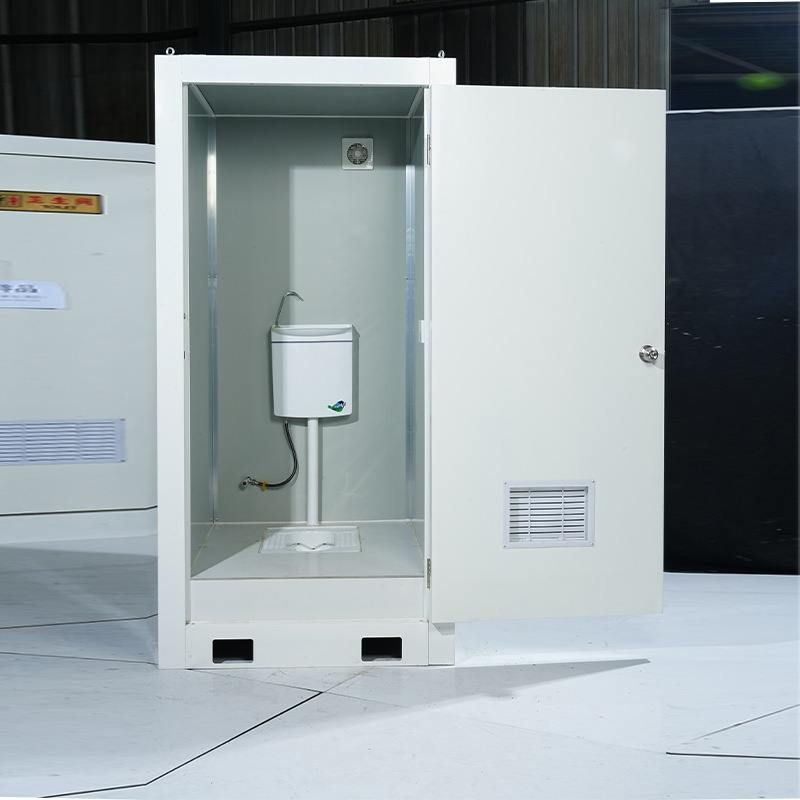
The weight of a standard second-hand container house is directly related to the size of its original container. For example, a 20-foot standard container has a self-weight of approximately 2.3 tons, while a 40-foot standard container weighs about 3.8 tons. If the second-hand container house is primarily a fixed structure and its body is welded from high-strength color steel plates (not modified from the original container), the total weight may drop to about 1.5 tons. This difference arises because the fixed structure may simplify some of the load-bearing frame designs of the original container while using lighter color steel plates instead of traditional steel.
2. Differences in Manufacturing Materials
Material selection is one of the core factors affecting weight. Containers made of high-strength steel can reduce steel usage through optimized structural design, thereby lowering self-weight; whereas containers made of ordinary steel require increased thickness or quantity to meet strength requirements, resulting in increased weight. Additionally, some second-hand container houses may use aluminum alloys or composite materials to replace part of the steel, further reducing weight, although such cases are relatively rare.
3. Years of Use and Wear
As the years of use increase, container houses may experience weight changes due to rust, wear, or structural aging. For example, containers exposed to humid environments for long periods may see increased local weight due to surface rust, but the overall structure may become lighter as the steel corrodes and thins. Furthermore, if the container was previously used to transport chemicals or corrosive substances, residues may add extra weight, but such cases require professional cleaning.
4. Modifications and Reinforcement
Modifications are a key variable affecting the weight of second-hand container houses. If the house requires additional insulation, doors and windows, interior decoration, or structural reinforcement (such as adding corner posts or crossbeams), the weight will increase significantly. For example, adding rock wool insulation may add 0.3-0.5 tons, while installing double-glazed doors and windows or steel stairs will further increase the weight. Conversely, if non-essential components of the original container (such as some partitions or lifting fittings) are removed, the weight may decrease.
Summary: The weight of second-hand container houses must be judged comprehensively based on specific parameters. When purchasing or using, it is recommended to measure the weight with weighing equipment or request detailed material lists and modification records from suppliers to ensure the weight meets the requirements for transportation, installation, and usage scenarios.



