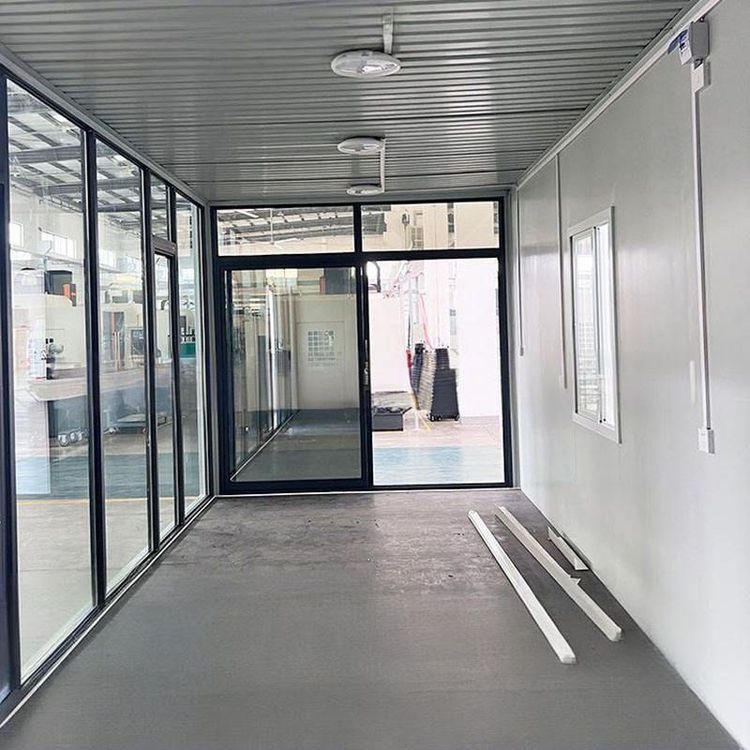
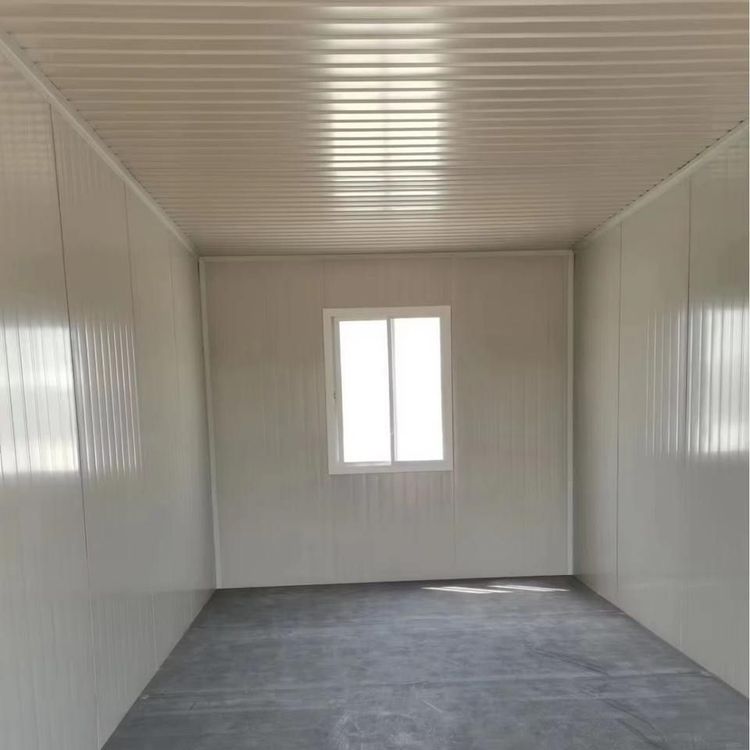
Waterless Flush Mobile Toilet
A waterless flush mobile toilet is an environmentally friendly toilet that does not require traditional water flushing. It uses physical, biological, or chemical technologies to treat waste and complies with the GB/T18092-2000 standard. Its international common name is non-sewered sanitation toilet.

Core Functions and Technical Principles
The core of a waterless flush mobile toilet is to replace the traditional water flushing function and achieve waste treatment through physical, biological, or chemical technologies. For example, some models use composite microbial communities for biological degradation. These communities can operate stably at low temperatures of 40°C, decomposing excrement into harmless substances and achieving zero discharge and zero pollution. In addition, the toilet comes with its own water tank and does not require an external water source. It completes waste treatment through ecological degradation technology, completely eliminating the dependence on the water supply network.
Applicable Scenarios and Advantages
Such toilets are mainly suitable for places without water supply and drainage systems, such as remote areas, temporary event venues, tourist attractions, or disaster emergency scenarios. Their advantages include:
- Environmental friendliness: By using biological degradation technology, they reduce sewage discharge and avoid environmental pollution.
- Flexibility: Without the need to lay water pipes or sewers, they can be quickly deployed in areas where conventional public toilets cannot be installed.
- Water conservation: They completely eliminate the need for water flushing and are suitable for areas with scarce water resources or water supply difficulties.
- Stability: The microbial communities they carry are highly adaptable and can continue to work in extreme environments such as low temperatures.
Standards and Specifications
The production and use of waterless flush mobile toilets must comply with the GB/T18092-2000 'Waterless Sanitation Toilet' standard, which came into effect on October 1, 2000. This standard sets clear requirements for the design, materials, performance, and safety of toilets to ensure their environmental friendliness and practicality reach the specified level.
Technical Limitations
Despite their significant advantages, waterless flush mobile toilets still have certain limitations. For example, biological degradation technology has high requirements for microbial community activity and requires regular maintenance to avoid a decrease in treatment efficiency. In addition, the initial investment cost may be higher than that of traditional toilets, and a cost-benefit analysis based on actual needs is required.