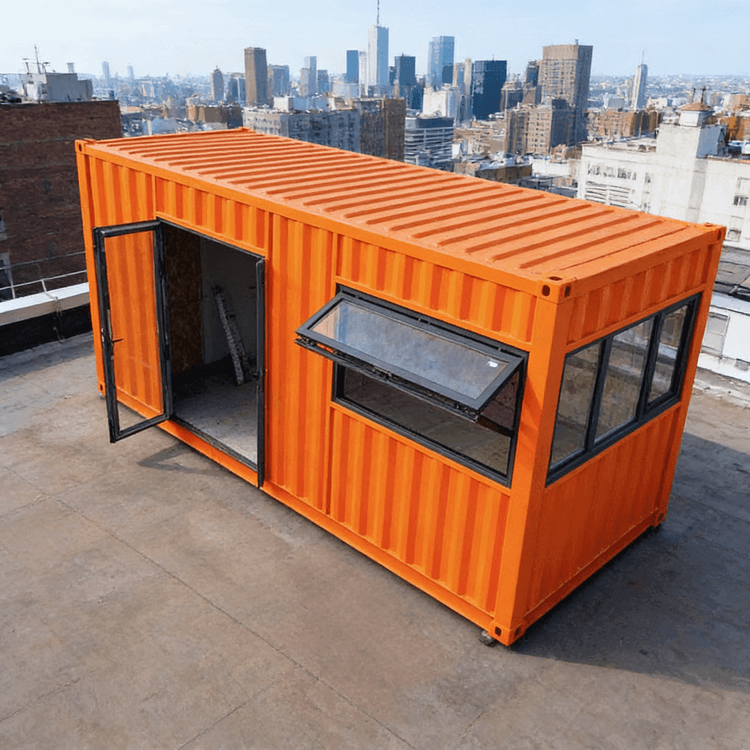
Wangjiang County Mobile Toilets
Wangjiang County offers smart mobile public toilets and Anhui mobile toilet rental services to meet the needs of various scenarios.

Features of Smart Mobile Public Toilet Rental Services
- Flexibility and Convenience: Designed specifically for outdoor events, public places, and emergency needs, these toilets adopt a plug-and-play model, enabling them to adapt to various outdoor environments without the need for fixed installation. Whether it's at large-scale event sites like music festivals and sports events, or in areas with high pedestrian traffic such as tourist attractions and transportation hubs, they can be quickly deployed for use, providing convenient toilet facilities for people.
- Hygiene Assurance: Equipped with automatic cleaning and deodorization systems, they can promptly clean the interior of the toilets, effectively remove odors, and maintain a fresh internal environment. This significantly enhances the user experience, avoids potential hygiene issues associated with traditional toilets, and safeguards the health of users.
- Energy Efficiency and Environmental Protection: These toilets feature energy-saving designs, performing excellently in reducing water and energy consumption. In today's context of emphasizing environmental protection, this energy-saving characteristic not only meets the requirements of sustainable development but also reduces usage costs.
- Safety and Reliability: They are equipped with emergency call systems and safety lighting. When users encounter emergencies, they can promptly seek help through the emergency call system; safety lighting ensures the safety of users at night or in low-light environments, providing comprehensive safety protection for users.
Coverage of Anhui Mobile Toilet Rental Services
Anhui mobile toilet rental services cover Wangjiang County and can be delivered to every region across Anhui. These services can meet the needs of various scenarios, including large-scale events such as exhibitions, music festivals, sports events, and temple fairs with dense crowds; construction sites, providing necessary sanitation facilities for construction workers; tourist attractions, enhancing the tourism experience for visitors; emergency relief and disaster response, meeting temporary sanitation needs during natural disasters and other special periods; and rural areas, offering convenient sanitation solutions in rural areas lacking public sanitation facilities, especially during gatherings such as weddings and funerals.