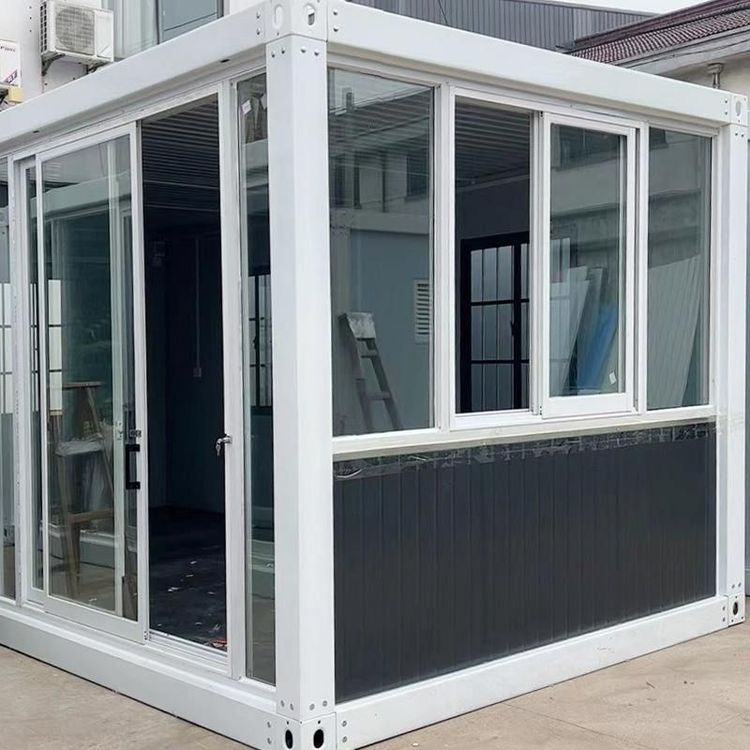
Vacuum Suction Mobile Toilet
A vacuum suction mobile toilet is a mobile sanitation facility that utilizes vacuum negative pressure principles to achieve efficient water conservation and hygienic waste discharge. Its core principle involves creating a negative pressure environment within the piping system using a vacuum pump, which rapidly sucks waste into a storage tank through air pressure differentials while simultaneously flushing the toilet surface with high-pressure gas to complete the flushing process. Below is a detailed explanation of its key features and applications:

1. Outstanding Water Conservation Performance
Each flush requires only 0.5-1 liter of water, saving approximately 80% compared to traditional toilets. Some models equipped with 304 stainless steel vacuum negative pressure squat toilets can achieve thorough cleaning with just 1 liter of water, saving 70% more water than traditional models. This feature makes them ideal for water-scarce areas or temporary event venues.
2. Advantages of the Piping System
Closed piping is used to transport waste, with a pipe diameter only one-third that of traditional systems, significantly reducing the risk of blockages. The piping design supports same-floor discharge, eliminating the need to penetrate floors and simplifying building structural requirements. The closed structure effectively controls odor diffusion, avoiding common odor issues found in traditional toilets.
3. Material and Durability
Some models use 304 stainless steel toilet fixtures, which are slip-resistant, scratch-resistant, and wear-resistant, suitable for high-frequency usage scenarios. The stainless steel surface is easy to clean and less prone to bacterial growth over long-term use, meeting public health standards.
4. Scene Adaptability
The modular design supports rapid installation and disassembly, making it suitable for temporary or mobile scenarios such as construction sites, tourist attractions, and municipal roads. The exterior supports customization in various colors, allowing it to harmonize with the surrounding environment and meet visual needs. For example, tourist attractions can choose natural color schemes, while construction sites can opt for eye-catching identification colors.
5. Limitations Analysis
It relies on a vacuum piping network and vacuum pump operation, resulting in higher initial infrastructure costs and requiring professional teams to plan the piping layout. The system demands strict sealing; any leaks can affect the negative pressure effect, necessitating regular maintenance and inspections. Additionally, anti-freezing measures must be taken in extremely low-temperature environments to prevent pipe freezing and cracking.
6. Typical Application Scenarios
- Large-scale Events: Temporary venues such as music festivals and sports events can be quickly deployed to meet high foot traffic demands.
- Construction Sites: The modular design facilitates relocation with construction progress, and the water-saving feature reduces water costs.
- Tourist Attractions: Closed piping reduces pollution to the natural environment, and customized exteriors enhance the visitor experience.
This technology achieves a balance between water conservation, hygiene, and adaptability through negative pressure principles and material innovation. However, it requires weighing initial investment against long-term maintenance costs and is suitable for scenarios with high hygiene standards and existing infrastructure conditions.