Introduction to Vacuum Mobile Environmental Toilets
A vacuum mobile environmental toilet is a water-saving sanitation facility that utilizes the principle of vacuum negative pressure to suck waste into a piping system through air pressure differences, featuring a stable structure, easy installation, and high water efficiency.

I. Structure and Materials
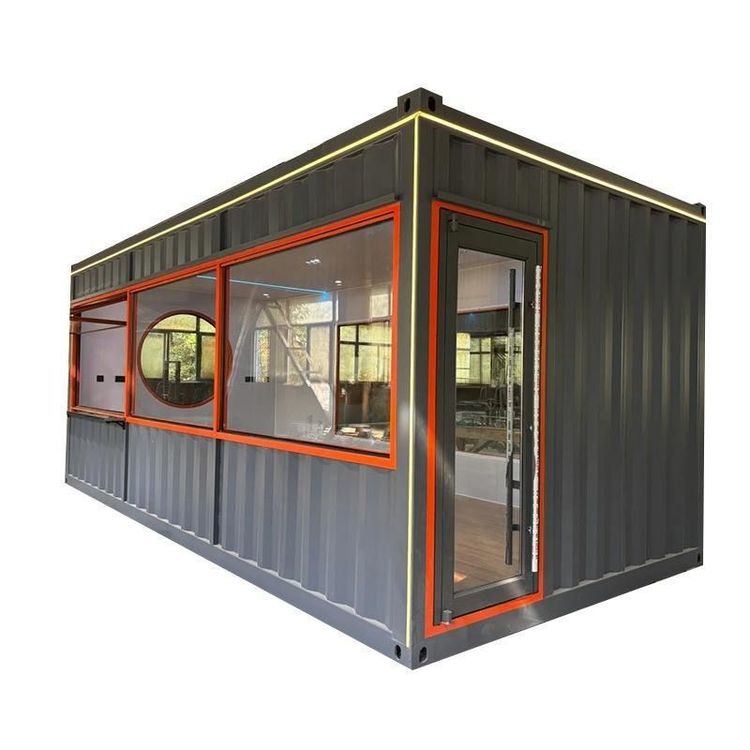
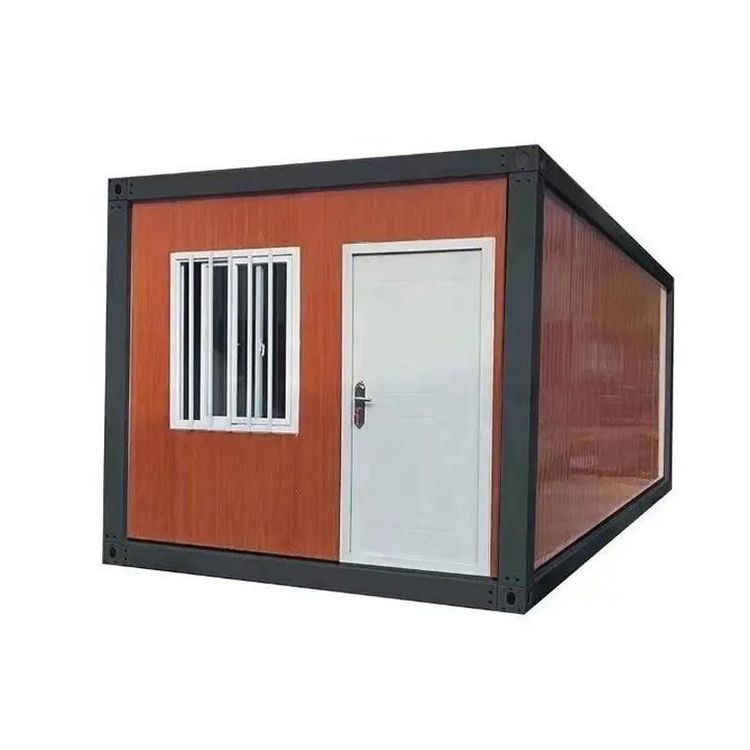
The main structure of a vacuum mobile environmental toilet is typically made of steel and color-coated steel plates, crafted through welding and splicing processes, ensuring overall stability and durability. Its appearance supports personalized customization in various colors, enabling it to fit the visual requirements of different scenarios such as construction sites, scenic spots, and municipal areas. Modular design is a key feature of these toilets, allowing each functional module to be produced independently and quickly assembled on-site, significantly shortening the installation period and reducing construction costs.
II. Core Technology and Sewage Discharge Principle
The core component of a vacuum mobile environmental toilet is the vacuum toilet, which includes over 20 professional accessories such as vacuum pumps, diaphragm valves, and flushing mechanisms. Its working principle involves creating a negative pressure environment in the pipes through a vacuum generator, utilizing atmospheric pressure differences to draw waste into the network. Taking the vacuum self-priming mobile toilet as an example, after being sucked in, waste is transported through sealed pipes to a sewage collection tank or municipal sewage network, preventing secondary pollution. This technology not only achieves rapid sewage discharge but also significantly reduces water consumption—with a single flush volume of only 1 liter, saving 83% more water than traditional toilets.
III. Application Scenarios and Adaptability
The modular design and flexible configuration of vacuum mobile environmental toilets make them suitable for various occasions:
- Outdoor Scenarios: Customized toilets of different sizes and appearances can be provided for construction sites, scenic spots, municipal roads, and other areas to meet temporary or long-term usage needs;
- Special Environments: Places with high space and water-saving requirements, such as rural residences, ships, high-speed trains, and airplanes, can achieve adaptability by configuring different systems (e.g., sewage storage tanks or direct discharge networks);
- Ready-to-Use Demands: Some compact and intelligent environmental mobile public toilets adopt factory prefabrication processes, with complete internal waste collection systems and handwashing stations. They can be put into use directly after transportation without on-site assembly.
IV. Summary of Advantages
Vacuum mobile environmental toilets achieve a balance between water conservation and efficient sewage discharge through vacuum negative pressure technology. Their modular design enhances installation flexibility, the choice of steel and color-coated steel plates ensures structural stability, and personalized appearance customization strengthens environmental adaptability. These features make them a preferred option among modern sanitation facilities that combine environmental protection with practicality.