Transforming Houses Using Containers
Transforming houses using containers is an innovative and feasible construction method, offering advantages such as short construction periods, low costs, and environmental friendliness.

I. Transformation Process and Advantages
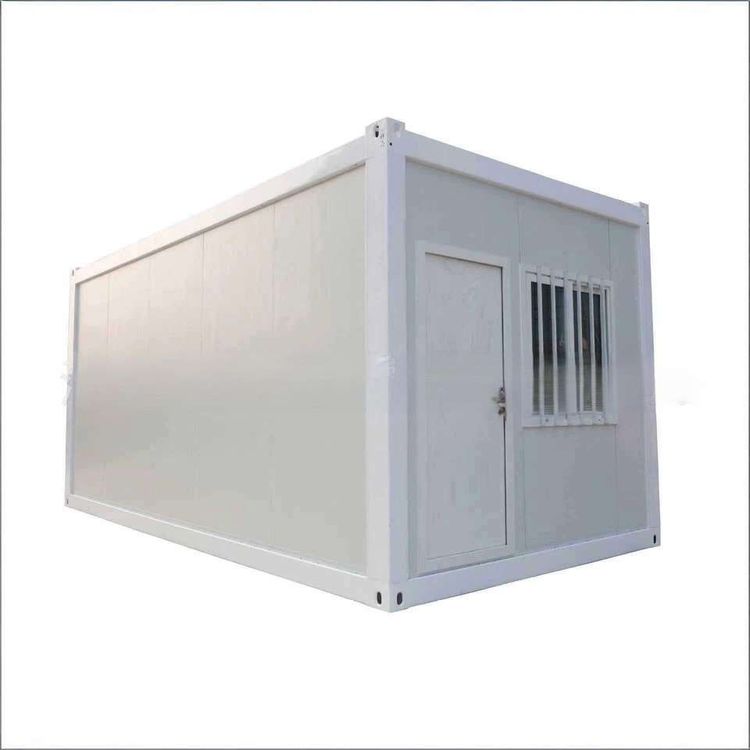
The core of container house transformation involves prefabricating standardized container modules in factories, including the main structure, plumbing, electrical wiring, and bathroom fixtures, before transporting them to the site for assembly. For example, a smart factory in Guangdong achieves a daily output of 50 modules through an automated production line, with manufacturing precision controlled within 1-2 millimeters. This model shifts traditional on-site sequential operations to parallel operations, reducing construction periods by over 60% compared to traditional buildings. For instance, a 63-module retirement apartment project purchased by British clients took only two weeks from shipment to completion of hoisting.
II. Cost and Environmental Benefits
In terms of labor costs, skilled technicians in Europe and the United States earn hourly wages ranging from 200 to 400 yuan, whereas container modular construction sites typically require only around 45 permanent personnel, a reduction of over 50% compared to traditional construction sites. Regarding material waste, factory CNC cutting reduces steel waste to 3%-5%, a 50% decrease compared to traditional sites. Additionally, lightweight steel structure modules can reduce foundation material consumption by 60%-70%, aligning with low-carbon construction trends. For example, a prefabricated modular data center project in Malaysia shortened its construction period to 10 months using container modules, nearly halving the time compared to traditional methods.
III. Practical Application Cases
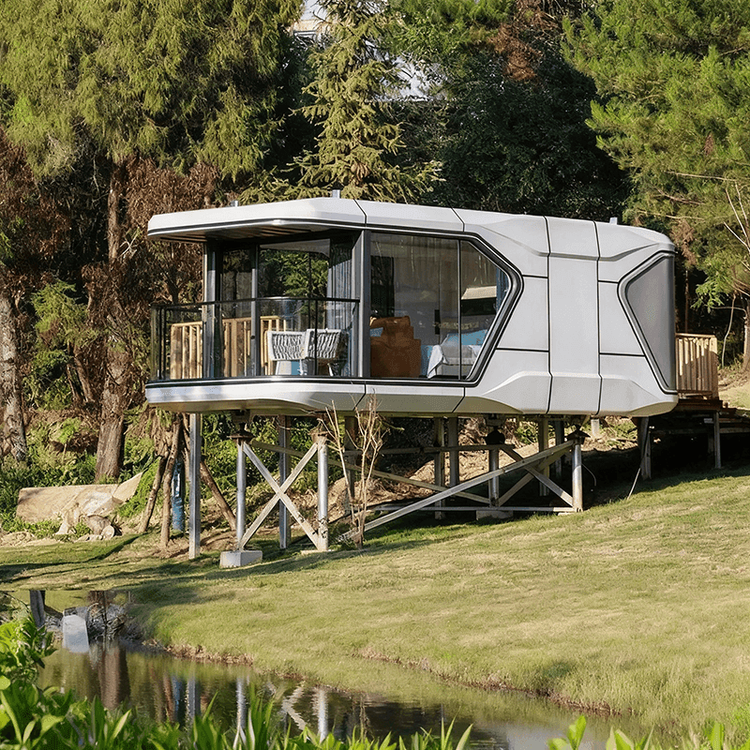
- Personal Transformations: Mr. Zhou, a villager from Xiaogan, Hubei, transformed a second-hand container for 13,000 yuan, creating a popular internet-famous cottage equipped with an open kitchen, bathroom, and projection screen. A British couple transformed a 15㎡ container into a panoramic mini-villa in the forest for 110,000 yuan, complete with solar panels and a foldable bed.
- Commercial Projects: China Construction Science and Engineering Corporation adopted a container modular solution for a hotel project in Papua New Guinea, completing the entire project in 7 months, a reduction of over 50% compared to traditional construction. In the first four months, exports of prefabricated houses from Shenzhen ports reached a value of 1.68 billion yuan, with products shipped to over 150 countries and regions.
- Special Scenarios: Tsinghua University's "Sustainable Living Lab" constructed a modular residence using six containers, totaling 218,000 yuan, including experimental space, kitchen, bathroom, and bedroom, meeting the rapid construction needs of non-construction land.