Used Container House: Top Options & Considerations
The mainstream uses of container houses include residential, commercial/industrial, and special-scenario applications. When choosing, factors such as cost, sustainability, flexibility, and customization need to be considered comprehensively.

I. Mainstream Use Options
Residential Uses
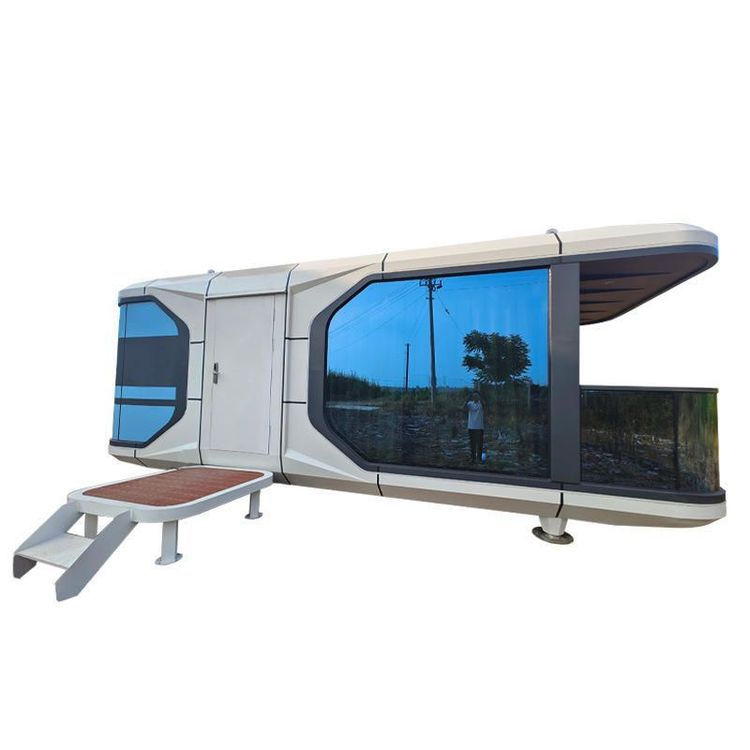
- Modular Homes: By combining multiple containers, single-family homes, dormitories, or hotel layouts can be achieved, supporting personalized sizing and functional zoning, suitable for rapidly deployed residential needs.
- Luxury Homes: Using weathering steel (such as Corten steel) and high-end interiors, they balance durability with modern aesthetics, meeting the pursuit of quality life for high-budget users.
- Micro Homes: Compact designs reduce space occupation, suitable for low-cost or minimalist living scenarios, such as single-person apartments or vacation cottages.
Commercial and Industrial Uses
- Temporary Offices and Construction Site Camps: Expandable container houses support rapid installation and transportation, suitable for short-term projects or emergency scenarios, such as disaster relief command centers.
- Functional Prefabricated Units: Integrating modules such as offices, shops, and guard posts, they meet diverse needs in commercial retail and security monitoring, reducing on-site construction costs.
Special-Scenario Applications
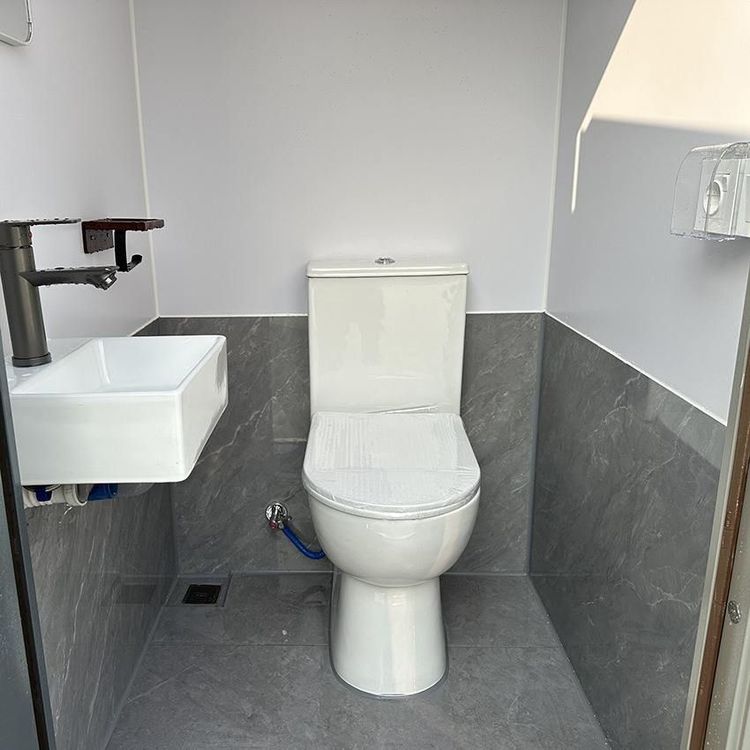
- Sanitation Facilities: Portable toilets and showers integrate water supply and drainage systems, suitable for temporary venues such as music festivals and construction sites.
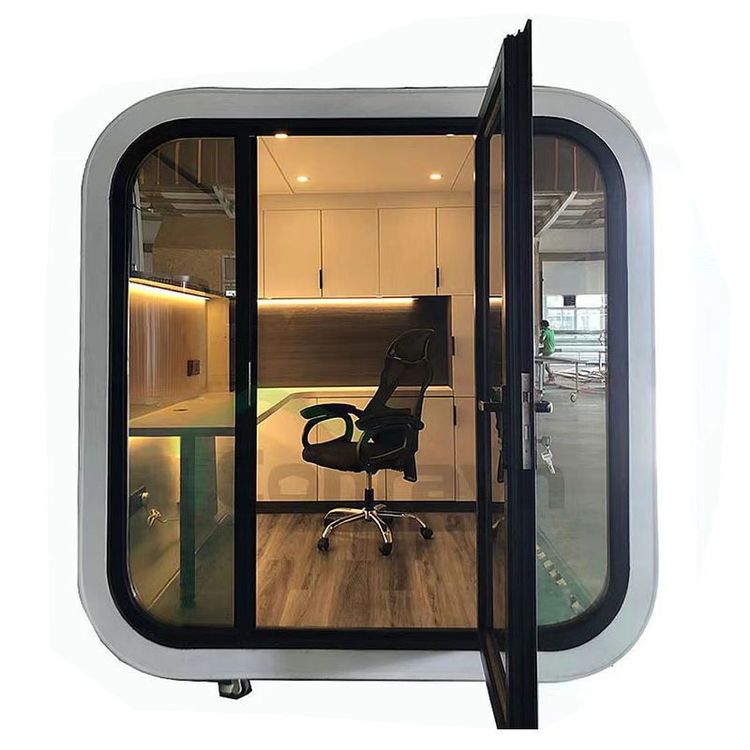
- Customized Design: Enhancing spatial transparency by adding balconies, glass walls, or sliding panels, for example, a full-glass front wall design can enhance natural lighting and landscape views.
II. Key Consideration Factors
Cost-Effectiveness
- Container houses are 30%-50% cheaper than traditional buildings, and factory prefabrication reduces on-site labor and material waste, suitable for budget-sensitive projects.
- Modular design supports on-demand expansion, avoiding excessive initial investment, such as achieving floor additions by stacking containers.
Sustainability
- Recycling used containers reduces carbon emissions from steel production, aligning with the circular economy concept; using energy-saving materials such as rock wool sandwich panels can reduce air conditioning energy consumption.
- Some suppliers (such as Henan Jinming) offer detachable structures, facilitating future relocation or material reuse.
Flexibility and Adaptability
- Container houses can withstand extreme weather such as hurricanes and earthquakes, suitable for climatically complex regions like tropical rainforests or deserts.
- They support rapid reconfiguration, such as transforming residential units into Airbnb short-term rentals, adapting to trends in remote work and tourism economy.
Customization Capability
- Users can freely choose layouts, sizes, colors, and panel types (such as anti-corrosion wood or aluminum panels), for example, ZN House offers global B2B customization services.
- Multi-unit combinations can create large composite spaces, such as schools, hospitals, or community centers, meeting large-scale needs.
III. Market Trends in 2026
The global demand for container houses will continue to grow, driven by factors such as economic fluctuations, rising building material costs, and carbon neutrality policies. Technologically, AI product selection and localized warehousing (such as the Accio Work platform) will shorten delivery cycles and improve procurement efficiency.