US Prefabricated Housing Industry Chain
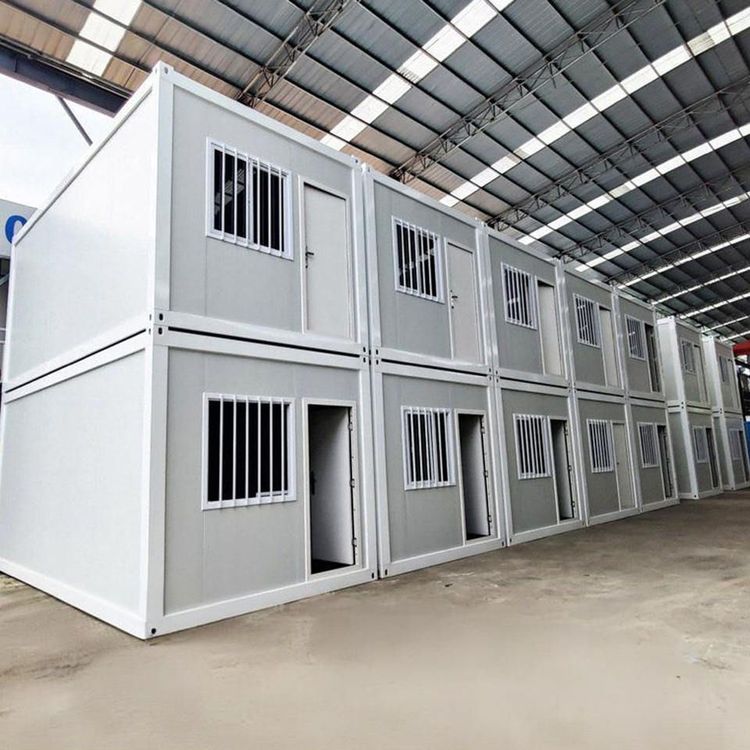
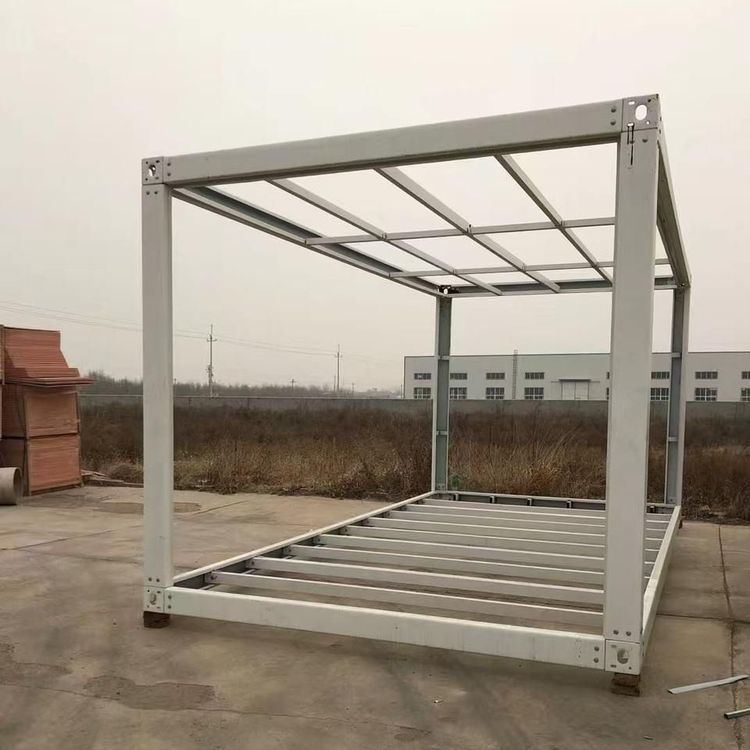
The US prefabricated housing industry chain has formed a mature market, centered on standardization, serialization, and commercialization, featuring the coordinated development of six major chains: R&D, production and construction, design, logistics, installation, and operation and maintenance.

1. R&D Chain: Technology-Driven and Deep Integration of Industry, Academia, and Research
The R&D system for prefabricated housing in the US is composed of state junior colleges, applied technology universities, professional research institutions, learned societies, and corporate R&D departments, forming a closed loop of 'basic research - applied development - technology transfer'. For example, Texas State Technical College focuses on performance testing of prefabricated doors and windows, optimizing sealing and durability by simulating extreme weather conditions; Michigan State University develops residential energy efficiency design technologies, enabling dynamic simulation of energy consumption through BIM (Building Information Modeling); Virginia Technical School has developed a panel-based assembly design system that automatically generates structural plans compliant with seismic standards. This division of labor concentrates R&D resources, shortening the technology iteration cycle to one-third of that of traditional construction.
2. Production and Construction Chain: Regional Layout Aligned with Resource Endowments
Production enterprises are mostly transformed from manufacturers of recreational transportation equipment (such as RVs and yachts), leveraging their existing metal processing and modular production experience to quickly enter the market. Due to transportation cost constraints, the industry exhibits significant regional characteristics: Western California relies on Silicon Valley's technological advantages, focusing on the production of intelligent assembly components; the Midwest Great Lakes region utilizes its steel industry foundation to lead in the manufacturing of heavy structural modules; Southern Texas, with its cheap labor and land resources, has become a supply center for low-cost residential modules. The market share distribution of enterprises is highly aligned with regional resource endowments. For example, in Washington State, rich in timber resources, over 70% of the products from prefabricated housing enterprises are wooden structural modules.
3. Full-Chain Collaboration: Standardization and Specialized Division of Labor
The design chain achieves component generalization through parametric design software, enabling the same specification of wall modules to fit different housing types; the logistics chain adopts a 'trunk transportation + regional warehousing' model, keeping transportation costs below 8% of the total construction cost; the installation chain has developed '3D scanning positioning + robotic arm assembly' technology, reducing on-site installation time for a single house to 72 hours; the operation and maintenance chain monitors structural safety in real-time through IoT sensors, combined with AI algorithms to predict component lifespans, forming a full lifecycle management from 'design - production - use - recycling'. This collaborative system has resulted in a market penetration rate of 35% for prefabricated housing in the US, far exceeding the global average of 12%.