Types of Mobile Toilets
Mobile toilets come in a variety of types, which can be classified according to different criteria as follows:

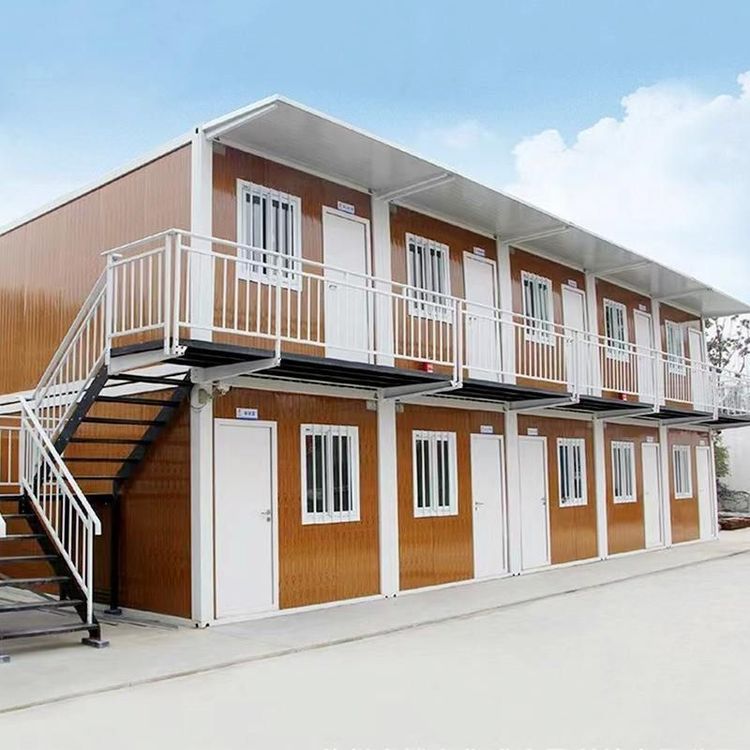
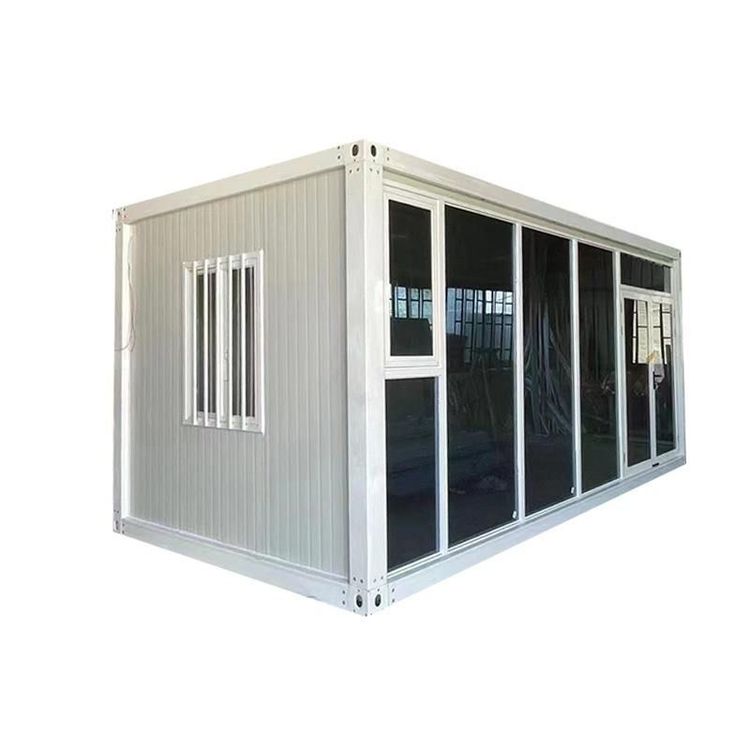
By structural form: They are divided into single-structure mobile toilets and composite-structure mobile toilets. Single-structure toilets are usually independent units with a simple structure, facilitating rapid deployment. Composite-structure toilets are composed of multiple modules, offering strong scalability and being suitable for scenarios with high space requirements.
By mobility method: They are categorized into lifting/handling types and powered/trailer types. Lifting-type toilets require cranes for handling and are suitable for fixed locations such as construction sites. Powered-type toilets come with their own power systems and can move autonomously. Trailer-type toilets have wheels and can be moved by vehicles, making them suitable for large-scale events like music festivals.
By sewage treatment method: They include flush and non-flush suction types, circulating flush types, dry-packing types, foam-sealing types, and microbial degradation types, among others. Flush-type toilets need to be connected to sewage pipes and are suitable for places with sufficient water sources, such as scenic spots. Non-flush suction-type toilets use vacuum pumps to suction excrement, saving water efficiently. Dry-packing-type toilets are like diapers; they can be sealed directly after use and are suitable for water-scarce environments like desert camping. Foam-sealing-type toilets cover excrement with foam to reduce odors, saving water and being environmentally friendly. Microbial degradation-type toilets use microorganisms to decompose excrement into fertilizer and are commonly found in ecological parks.
By material: They are divided into plastic toilets, color-steel toilets, fiberglass-reinforced plastic toilets, and tent-style toilets, etc. Plastic toilets are lightweight and inexpensive, suitable for temporary use at construction sites. Color-steel toilets offer thermal and sound insulation and are aesthetically pleasing, commonly seen in parks and streets. Fiberglass-reinforced plastic toilets are molded as a whole, with strong impact resistance, suitable for disaster relief and emergency rescue. Tent-style toilets are simple to assemble and disassemble, like setting up tents, and are suitable for temporary events.
By usage scenario and functional characteristics: They include ordinary mobile restrooms, mobile restrooms with flush systems, eco-friendly mobile restrooms, smart mobile restrooms, single/double-occupancy standalone types, multi-compartment combined types, and high-end customized types, etc. Ordinary types have a simple structure and are suitable for construction sites and short-term exhibitions. Mobile restrooms with flush systems have added flush systems and are suitable for large-scale sports events. Eco-friendly types adopt water-saving technologies and are suitable for eco-tourism areas. Smart types integrate intelligent control systems and are commonly found in high-end commercial districts. Single/double-occupancy standalone types are suitable for scenarios with low foot traffic. Multi-compartment combined types are suitable for occasions with high foot traffic. High-end customized types have exquisite appearances and complete facilities and are suitable for scenic spots and high-end campsites.