Two Prefabricated Concrete Houses
Two prefabricated concrete houses feature standardized production, superior performance, cost-effectiveness, and flexibility.

Standardized Production and Rapid Assembly
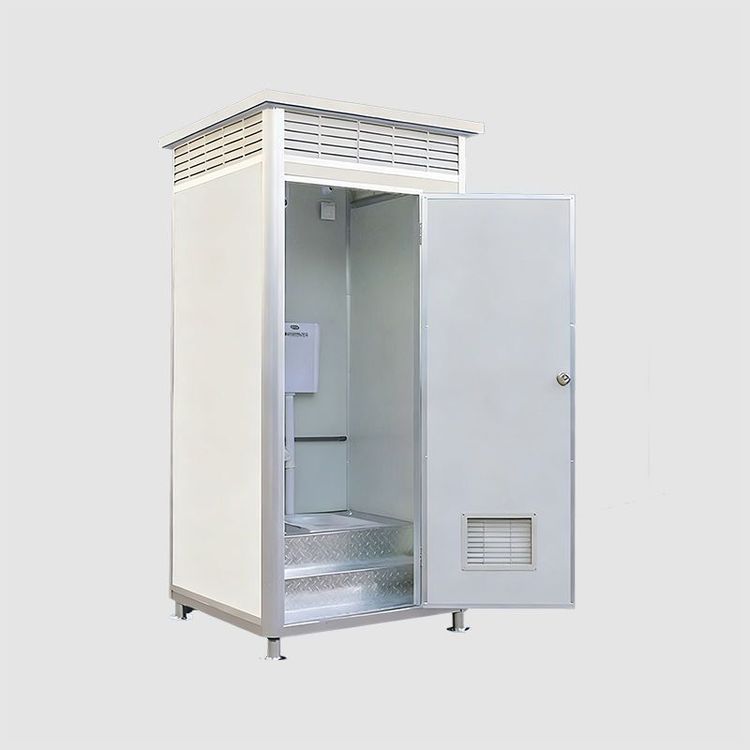
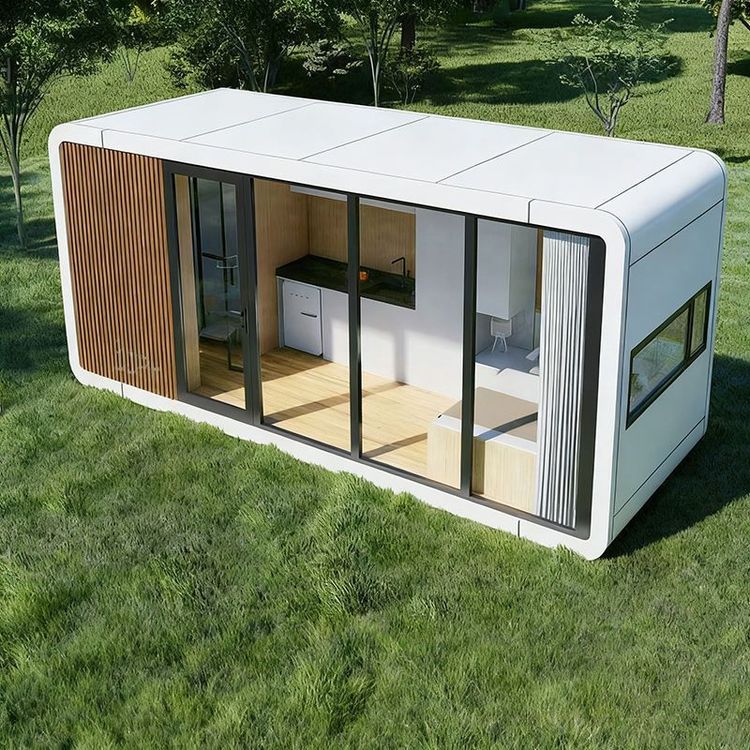
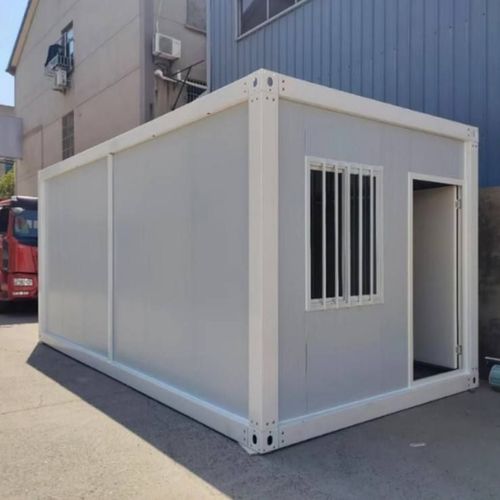
Prefabricated concrete houses are produced in a factory-standardized manner, with wall thickness uniformly controlled at 15 centimeters to ensure structural dimensional accuracy. The floor height can be customized between 3 meters and 3.6 meters according to needs, and the maximum length of a single room can reach 10 meters, meeting various spatial requirements. Taking the Henan Rural Project as an example, the cement 'prefabricated houses' used in this project can complete the assembly of a villa within 5 hours through modular design, significantly shortening the construction period and reducing the environmental impact of on-site operations.
Multiple Performance Features Ensure Safety and Durability
Prefabricated concrete houses possess multiple core performance features:
- Structural Stability: The houses are constructed using high-strength concrete materials, providing excellent load-bearing capacity and the ability to withstand conventional loads and external forces such as earthquakes.
- Fire Resistance: The concrete material itself is non-combustible, effectively delaying the spread of fire and enhancing fire safety.
- Thermal Insulation and Energy Efficiency: The 15-centimeter walls, combined with internal insulation layers, reduce heat transfer, lowering heating costs in winter and cooling costs in summer.
- Durability: Designed with a lifespan of over 70 years, these houses far exceed the durability of traditional brick-and-mortar structures, reducing long-term maintenance costs.
Additionally, the houses support overall relocation and secondary disassembly, with materials that can be reused, aligning with green building principles.
Cost-Effectiveness and Flexibility
From a cost perspective, the price per square meter of prefabricated concrete houses is approximately 320 yuan (taking the Henan Rural Project as an example), which is lower than some traditional construction methods. Standardized production also reduces material waste and labor costs. Their flexibility is reflected in two aspects: first, spatial customization, where users can adjust parameters such as floor height and length according to their needs; second, functional adaptability, as they can be used for residential purposes or transformed into offices, warehouses, and other scenarios. For example, products from Huacheng Concrete House Factory can quickly construct temporary or permanent buildings through modular combinations, meeting diverse needs such as emergency shelter and rural construction.