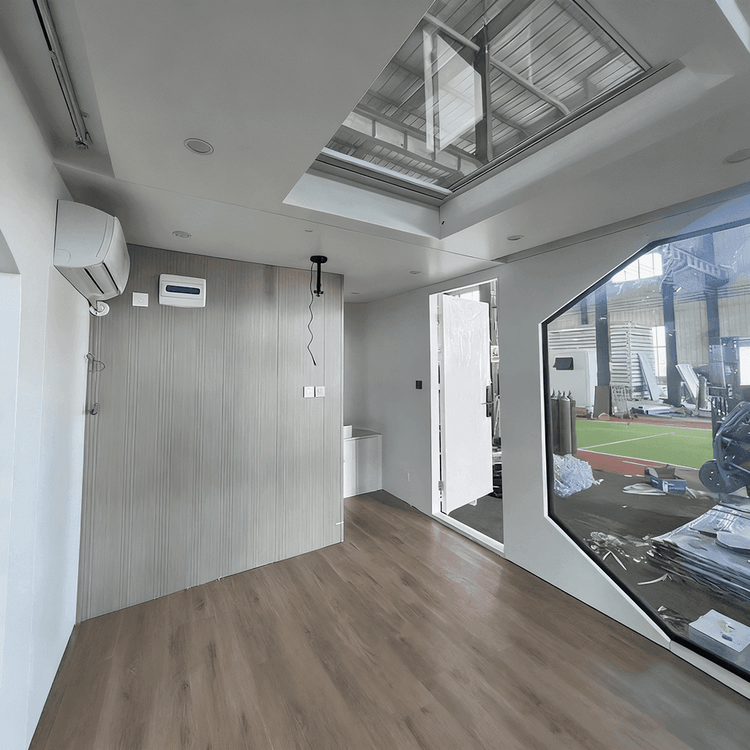
Two Methods for Container Houses
The two modification methods for container houses are detachable container houses and welded container houses, as detailed below:

Detachable Container Houses
These houses adopt a modular design concept, assembling core components such as walls, floors, and roofs using detachable connectors like bolts or clips. Their primary advantage lies in the flexibility of transportation and installation: during transportation, the house can be disassembled into flat components, significantly reducing transportation volume and cost, making them particularly suitable for international aid projects or construction scenarios in remote areas. Upon arrival at the site, standardized tools can be used to quickly complete assembly, and the components can be repeatedly disassembled and reassembled, aligning with the principles of a circular economy. For example, in post-disaster reconstruction, detachable houses can swiftly establish temporary shelters and be disassembled and transported to other regions for reuse after the mission is completed. Additionally, modular design allows for flexible adjustment of the house layout according to needs, such as adding or removing rooms or changing door and window positions, but it is important to ensure that the durability of the connectors meets the requirements for multiple disassemblies and assemblies.
Welded Container Houses
This type involves permanent welding processes to modify the container structure, such as cutting out door and window openings and adding steel structure stairs or balconies as附属设施 (ancillary facilities), forming a fixed building. Their core advantage lies in structural strength and sealing: the welding process creates an integrated load-bearing structure between the container and the modified components, enabling it to withstand greater loads, making it suitable for long-term office spaces or storage facilities. The optimized sealing effectively resists wind and rain erosion, extending the service life. For example, welded container houses in industrial parks are often used as equipment rooms or duty rooms. However, the migration cost of such houses is relatively high, requiring integral lifting and transportation, and the welding modification damages the original structure of the container, reducing its recyclability. During design, it is crucial to focus on the anti-corrosion treatment of welding nodes to avoid rust issues after long-term use.
The choice between the two methods requires a comprehensive consideration of project duration, transportation conditions, and usage needs: detachable types are preferred for short-term or mobile scenarios, while welded types are more suitable for long-term fixed scenarios.
You may also like
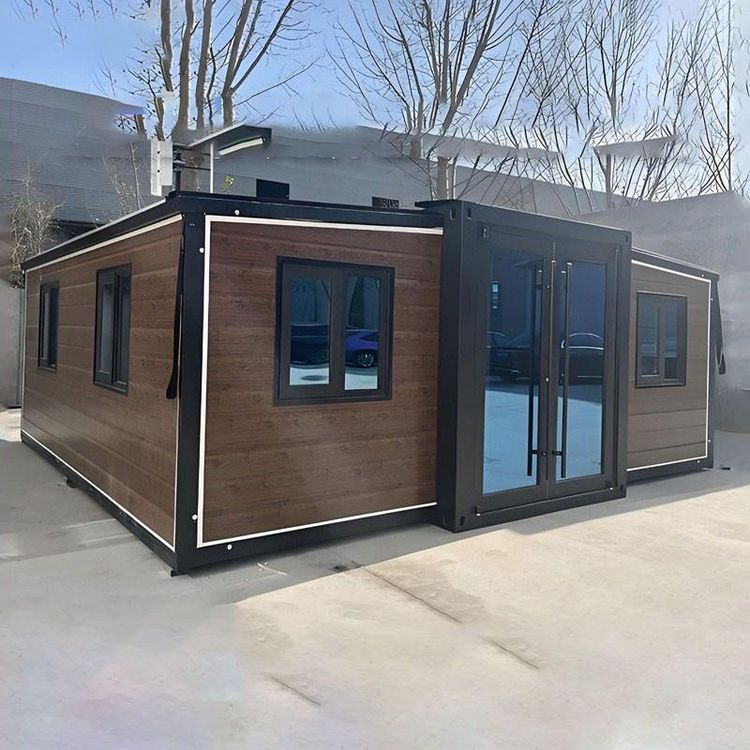
Portable Toilet Movable Eco-Friendly: What to Know Before You Buy
Read More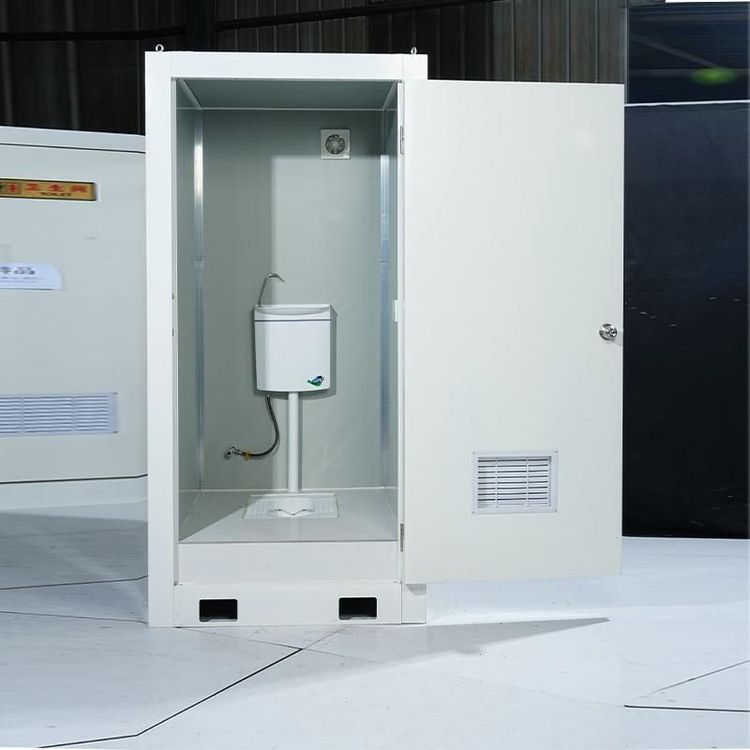
Top Portable Toilet Specifications Manufacturers: How to Choose a Factory Partner
Read More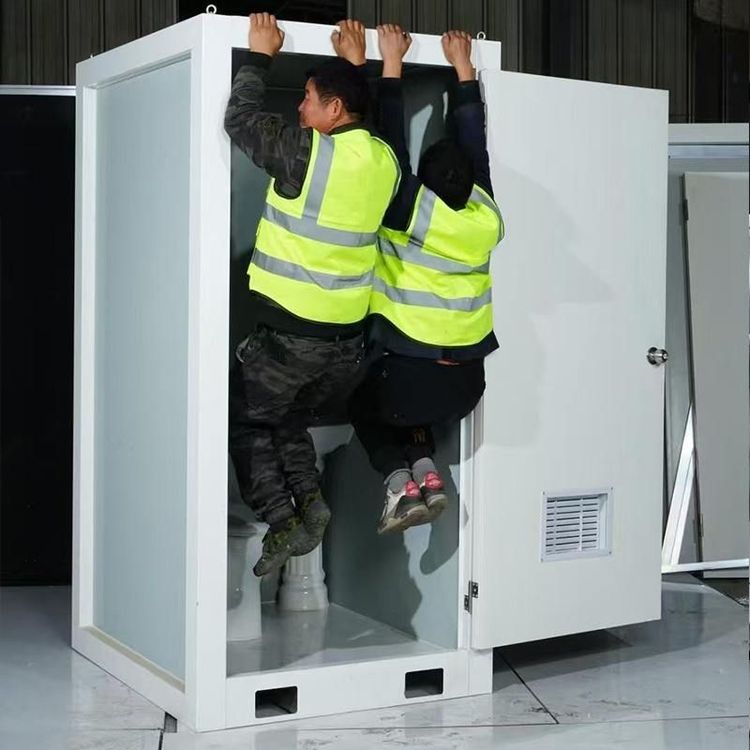
Container House Rendering in 2026: Buying Guide & Recommendations
Read More