Two-Bedroom One-Bathroom Prefabricated House
A two-bedroom one-bathroom prefabricated house is a modular, rapidly assemblable residential unit characterized by comprehensive functionality, diverse structural options, and a wide range of application scenarios, with prices varying significantly based on configuration and material.

Functionality and Configuration
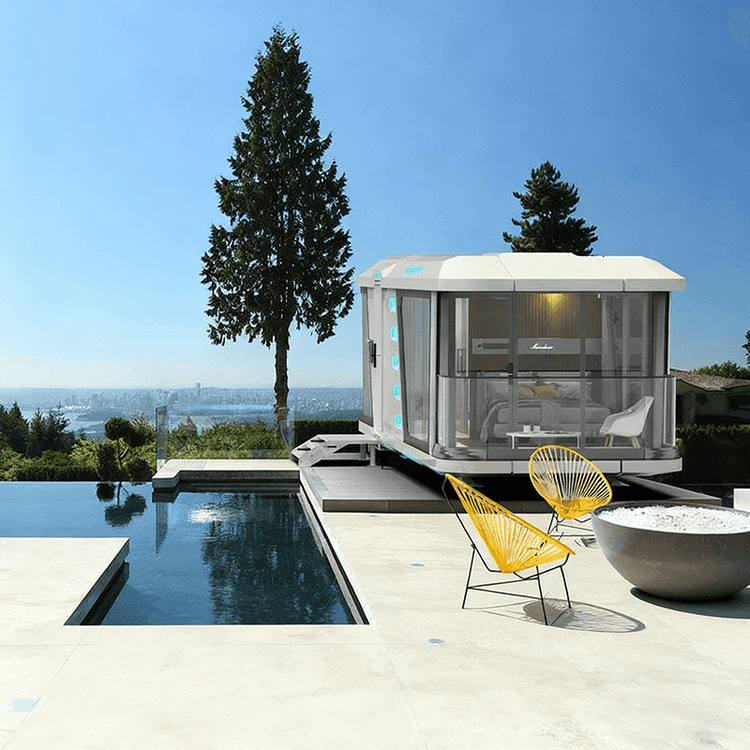
A two-bedroom one-bathroom prefabricated house typically includes two bedrooms, one bathroom, and basic living areas (such as an entrance hall). Some high-end models are equipped with smart furniture throughout the house, formaldehyde-free eco-friendly walls, full-sized sinks, and other facilities. For example, a prefabricated house made of aerospace aluminum has a design life of 30 years, uses sustainable materials, has a fully equipped bathroom, requires a card for electricity access, and meets five-star hotel standards overall.
Market Forms and Pricing
Prefabricated houses come in various structural types, including steel, concrete, and wooden structures. Steel structures are lightweight and easy to transport, making them commonly used for foreign trade exports; concrete structures are more prevalent in domestic fixed buildings; wooden structures lean towards personalized customization.
Prices are significantly influenced by configuration, size, and region:
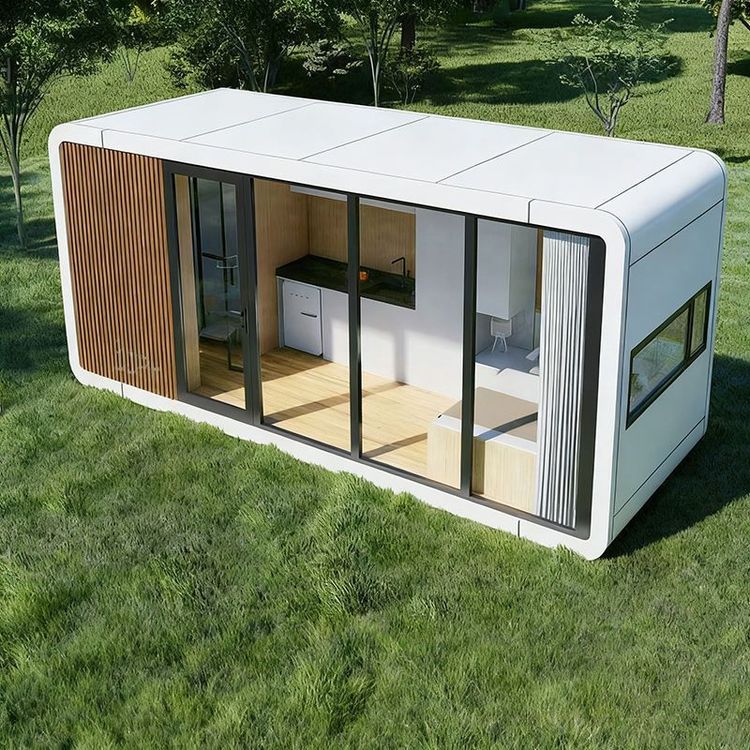
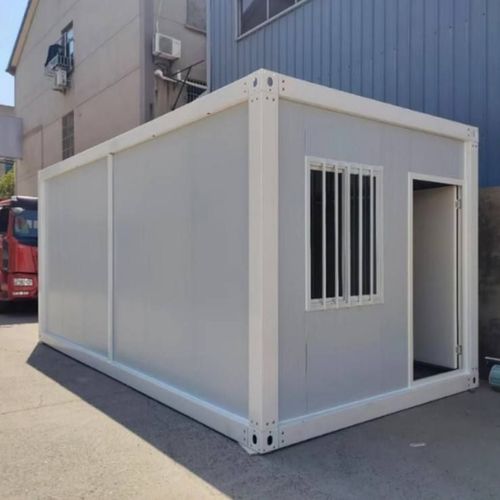
- Domestic Market: A two-bedroom one-living-room camping pod from a company in Shandong has a wholesale price of 950 yuan per square meter; a 20-foot expandable container (including a bathroom) from a company in Suzhou has a transaction price of 22,325 yuan per unit.
- International Market: A 70-square-meter two-bedroom one-living-room prefabricated house in the United States (including an independent kitchen and bathroom, and a water heater) is priced at 15,800 USD, with the total cost after adding shipping and taxes amounting to approximately 28,689 USD (equivalent to less than 200,000 yuan).
Application Scenarios and Advantages
Prefabricated houses are suitable for scenic area construction, mobile homestays, emergency housing, and foreign trade exports, among other scenarios. Their core advantages include:
- Rapid Deployment: Modular design supports foldable transportation, and installation only requires a level ground and connection to water and electricity (e.g., a couple in the United States assembled one in just a few days).
- High Construction Efficiency: Steel prefabricated houses use factory-prefabricated components and steel-concrete monolithic pouring technology, which can shorten the construction period by 30% and offer better earthquake resistance than traditional prefabricated panel houses.
- Environmental Protection and Sustainability: Widespread use of formaldehyde-free walls and recyclable materials aligns with global trends in industrialized and digital construction.
Technical Features
Steel prefabricated houses enhance structural stability through steel-concrete monolithic pouring, addressing issues of weak earthquake resistance and poor sound and thermal insulation in traditional prefabricated houses. Additionally, the application of smart furniture and eco-friendly materials (such as sustainable walls) further improves living comfort, meeting modern residential needs.