Twin-Hull Trailer-Mounted Mobile Toilet
The twin-hull trailer-mounted mobile toilet is a mobile sanitation facility that can meet the needs of two people using it simultaneously, featuring high integration, convenience, and adaptability. Its characteristics can be elaborated from the following aspects:

Appearance and Structural Design
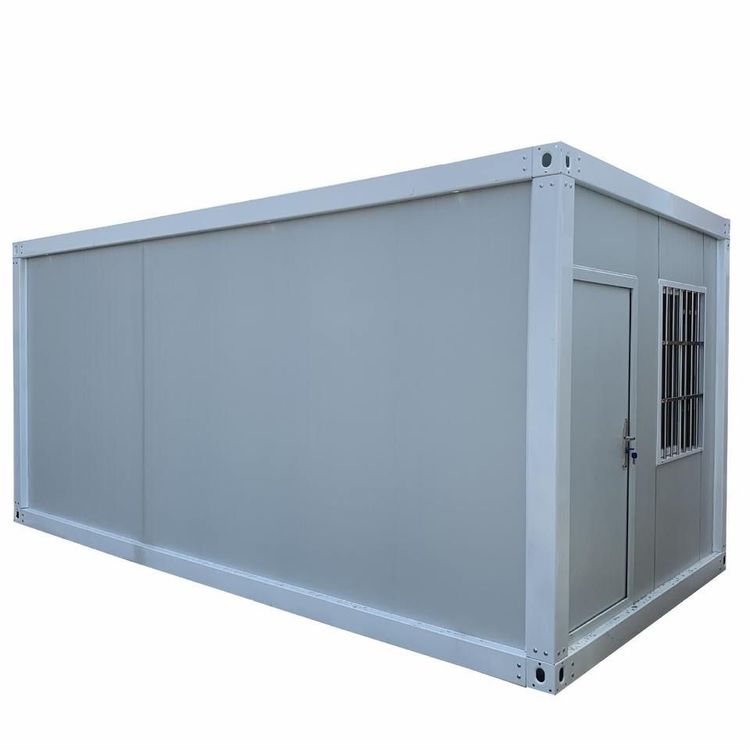
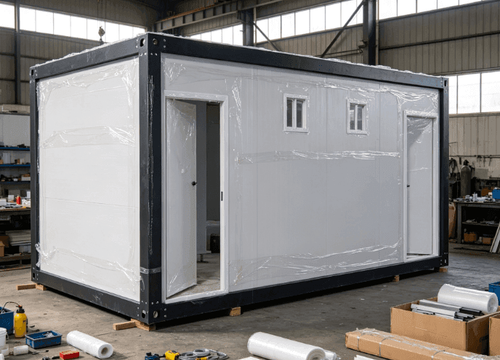
It adopts a simple appearance and a reasonable internal layout, using a trailer chassis as the overall framework and integrating it with the box structure through mechanical design to ensure stability during transportation and use. For example, the double-toilet compound mobile restroom uses stainless steel material and is equipped with a vacuum sewage discharge function, effectively isolating odors. The box structure is compact, meeting the needs of two people using it simultaneously while ensuring privacy through independent functional partitions.
Internal Facility Configuration
The functional partitions are clearly defined, equipped with separate sinks, mirrors, washbasins, and other facilities, and use automatic induction water devices to save water. The toilet area is set up independently, and the sewage storage area is concealed to avoid cross-contamination. Some models further optimize ventilation effects through negative pressure exhaust design combined with activated carbon filtration devices.
Material and Process Selection
The box material is mostly glass fiber reinforced composite material, which has corrosion resistance, controllable thermal conductivity, and sound insulation properties. In response to different climatic conditions, some manufacturers embed insulation materials in the box sandwich layer to enhance environmental adaptability. Standardized interfaces are used at the connection between the trailer chassis and the box for easy maintenance and replacement of parts.
System Integration and Energy Supply
The internal functional systems are highly integrated, including water storage or circulating water treatment flushing systems, negative pressure exhaust ventilation systems, etc., coordinated and managed through a unified control panel. In terms of energy supply, it usually relies on large-capacity battery packs combined with solar power supplementation systems or uses small fuel/gas generators. High-end models are equipped with energy management systems that can monitor energy consumption in real-time and optimize efficiency.
Application Scenarios and Maintenance Management
It is suitable for temporary or mobile scenarios such as festivals and construction sites, and the configuration plan can be adjusted according to actual needs. Some manufacturers offer modular designs, allowing users to choose combinations of different functional components. In terms of maintenance, convenience is fully considered in the design, such as using easily accessible pipe layouts, standardized interface parts, and providing detailed maintenance guides from the manufacturer.
Price Range
Depending on the configuration and functionality, the price range varies widely. The price of basic models is approximately 750 yuan, while high-end customized models can cost up to 43,000 yuan. Users can choose the appropriate model based on their budget and needs.